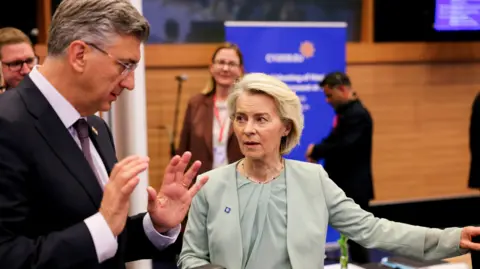
The ongoing crises in global geopolitics have consistently overshadowed discussions in EU circles. The recent summit held in Cyprus was no exception, as European leaders gathered to address pressing issues including the new EU budget, only to be sidetracked by rising tensions with the United States.
Reports emerged indicating that the US Pentagon threatened to suspend Spain's NATO membership due to its reluctance to support the US-Israel military campaign against Iran. In response, Spanish Prime Minister Pedro Sanchez assured the media of Spain's adherence to its NATO obligations, stating, No worries, we are fulfilling our obligations toward NATO.
Reactions from fellow European leaders were swift and supportive. Dutch Prime Minister Rob Jetten articulated a clear stance, affirming Spain's full membership in NATO and highlighting the contributions European nations are making to bolster the alliance — a point he asserted was also in the interest of the United States.
Confusion surrounded the Pentagon's email, as NATO treaties lack provisions for expelling a member state. Moreover, any punitive measures would require unanimous consent among NATO allies, a fact noted by multiple European leaders during the summit.
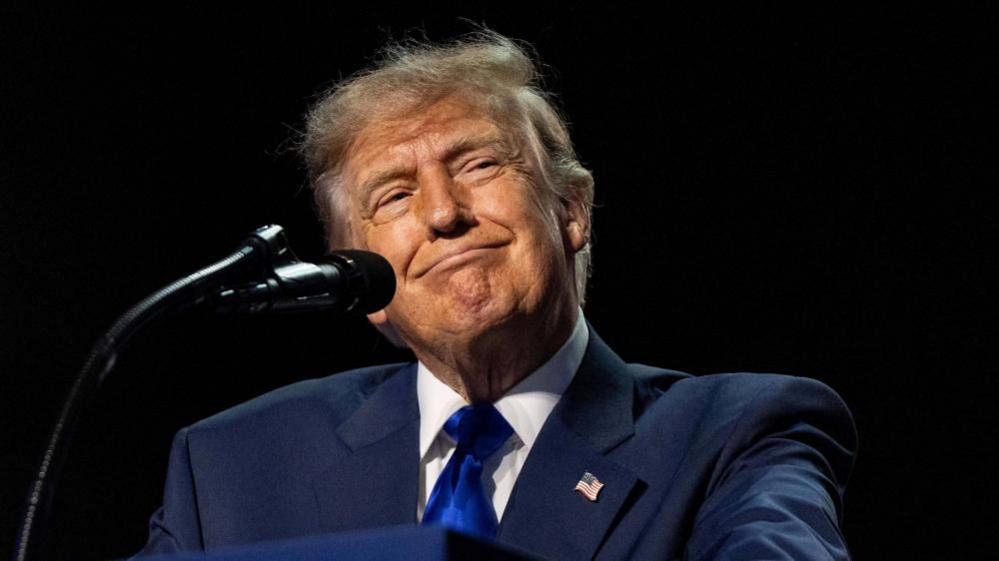
Italian Prime Minister Giorgia Meloni criticized the rising tensions between Washington and Madrid, labeling them as not at all positive. Despite her previous close ties to former US President Donald Trump, public sentiment has shifted in Italy, nudging her to adopt a more critical stance against increased US pressure.
Compounded by ongoing conflicts and government policies, the discord has cast a shadow over NATO’s coherence and its ability to function effectively amid new threats, particularly from Russia. There are apprehensions that continued disunity could embolden adversarial nations, leaving European security at risk.
Ultimately, the Cyprus summit underscored the complexities of transatlantic relations, where the challenges of maintaining unity in NATO must be approached tactfully, considering both strategic interests and the evolving global political landscape.