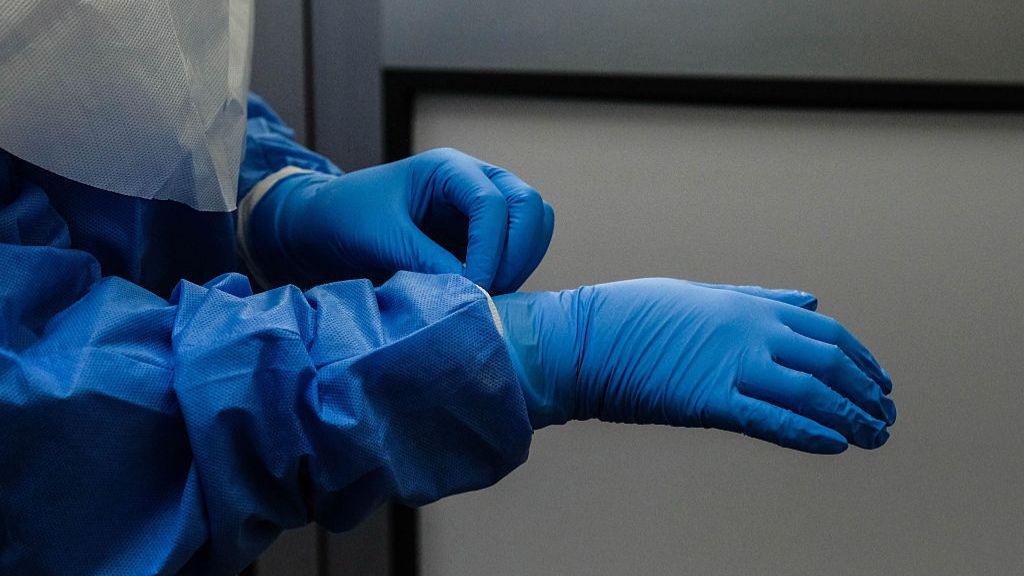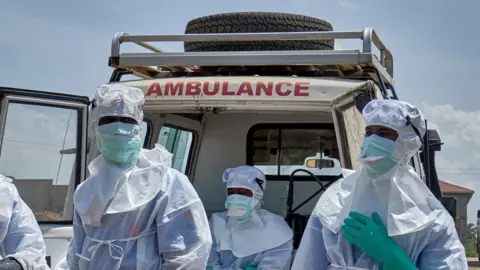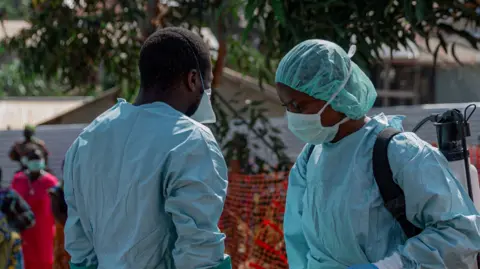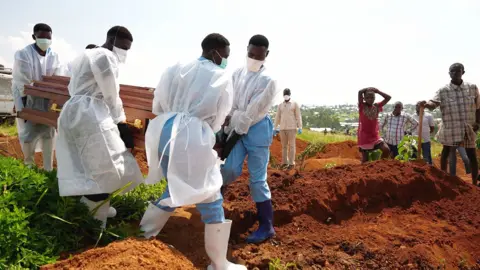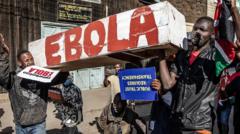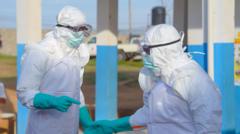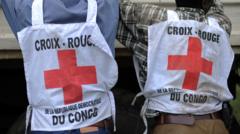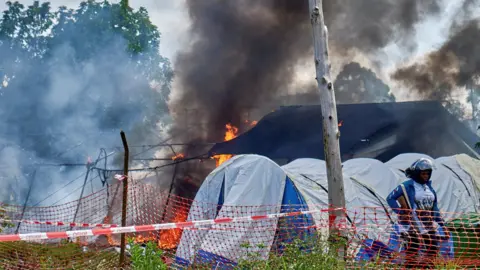
Fear has gripped Ebola-hit areas in eastern Democratic Republic of Congo (DRC) as officials report a rising number of deaths from a severe outbreak. As of Tuesday, health authorities confirmed that 136 people have died among 514 suspected cases.
The minister of health indicated that the outbreak, first detected on April 24, may be more widespread than previously thought, as many cases went unreported initially. The presumed patient zero was a nurse who died in Bunia but was buried in Mongwalu, a nearby town where most of the cases have been reported.
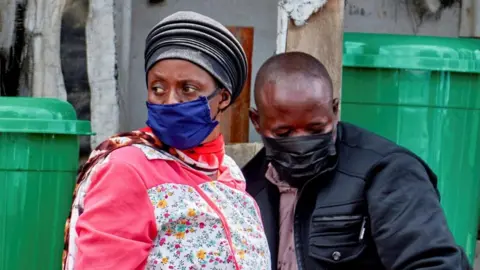
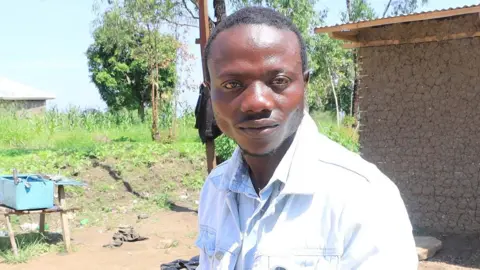
Residents are expressing palpable fear. A local taxi rider stated, Ebola has tortured us... I am scared because people are dying very fast. This sentiment is echoed across the affected communities, which include Rwampara, a gold-mining town.
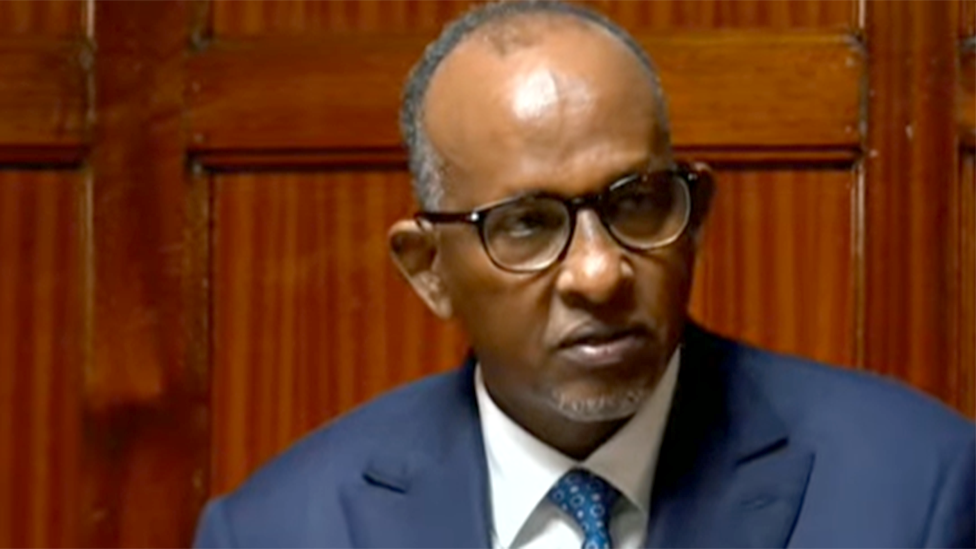
Health officials, like Dr. Samuel Roger Kamba, are finding it difficult to keep pace with the outbreak. We really need to look within the community to understand what happened, he said, noting that many deaths occurred without prior reporting. This suggests that prior infections may have gone unnoticed, complicating containment efforts.
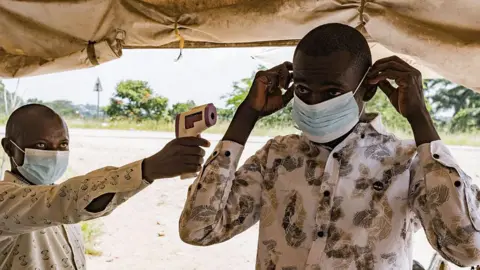
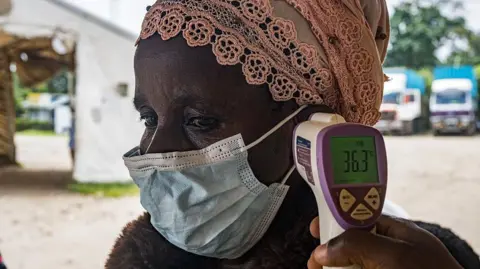
The outbreak is caused by the Bundibugyo strain of Ebola, which has caused fewer outbreaks compared to the more common Zaïre strain, but poses significant risks due to its ability to present less obvious symptoms. Health workers in the region are struggling to educate communities about prevention, as fear of the disease is coupled with cultural beliefs attributing unexplained deaths to witchcraft.
International aid is being mobilized, with the US announcing $13 million in emergency assistance for DRC and Uganda. As the outbreak evolves, public health measures and community compliance will be critical in taming this latest crisis in a region already beset by conflict and humanitarian issues.