In brief
President Donald Trump has threatened severe military action against Iran unless a deal is reached to end the ongoing conflict. The US and Israeli forces have conducted a series of strikes targeting key infrastructures, including bridges and industrial plants, leading to civilian casualties and concerns from international officials about potential war crimes. While these attacks have been promoted as necessary military actions, legal experts warn they could violate international laws safeguarding civilian populations.
President Donald Trump has pledged to target infrastructure across Iran unless the country reaches an acceptable deal to end its ongoing conflict with the US and Israel. Promising to bomb the country back to the Stone Ages, Trump warned of severe consequences if an agreement is not reached. Recent weeks have seen a flurry of attacks on critical infrastructures in Iran, including schools and hospitals, raising alarms about the humanitarian impact of such military actions.
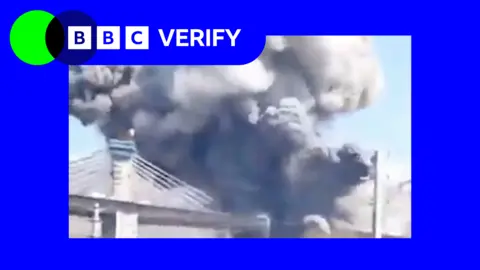
BBC Verify has confirmed that US and Israeli strikes have targeted multiple critical infrastructures over the past two weeks, including steel plants, bridges, and a pharmaceutical facility. These strikes have garnered attention from some US Congress members and UN officials, who have raised the possibility that they may constitute war crimes due to their impact on civilian life.
Targeted Civilian Infrastructure
The recent assaults included a strike on a bridge in the central city of Karaj, resulting in at least 13 deaths and significant infrastructure damage. Footage verified by the BBC showed extensive destruction following the attack. Trump's online postings featured footage of the destruction alongside celebratory remarks.
Further strikes targeted major steel manufacturers, including the Isfahan Mobarakeh Steel Company, which halted operations following bombing incidents. Israeli Prime Minister Benjamin Netanyahu claimed that the strikes disrupted approximately 70% of Iran's steel manufacturing capabilities, potentially threatening the Iranian economy considerably.
Legal experts debate whether these US-Israeli airstrikes could be considered war crimes under international law, given the focus on civilian sites and essential infrastructure. UN officials emphasized that any military actions must minimize civilian harm, warning against excess casualties.
As the conflict intensifies, the implications of targeting key infrastructures on civilian life continue to unfold, prompting widespread concern about humanitarian violations and the escalating dangers of militarized responses to geopolitical tensions.