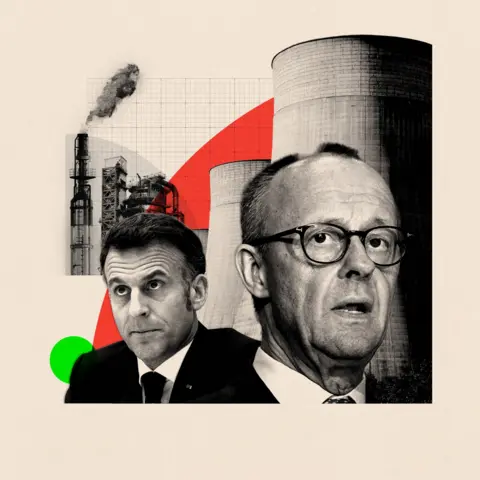
Europe's Energy Crisis: Lessons from the Iran War
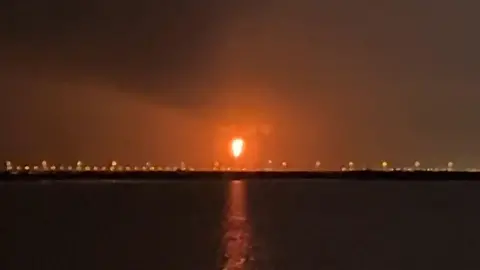
The knock-on effects of the conflict now whipping through the Middle East are awakening ghosts of crises past that shook the European Union.
Seven months into Russia's full-scale invasion of Ukraine, European Commission President Ursula von der Leyen accused Russia of manipulating the EU's energy market, declaring, This market is not functioning anymore. Fast forward four years, and there is a growing energy shock in Europe triggered by turmoil in the Middle East, prompting a frustrated European diplomat to lament, We swore we'd learn. We promised things would change, but here we are.
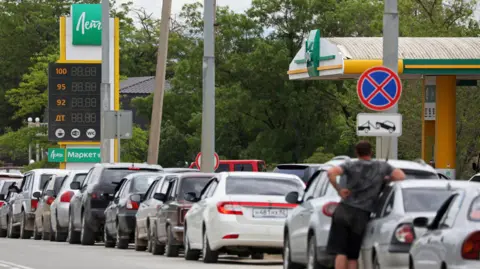
As the EU leaders prepare for a summit, they are faced with rampant energy prices and populist pressures that threaten their political stability. Ursula von der Leyen emphasized the need for immediate relief for citizens, highlighting the urgency of the situation.
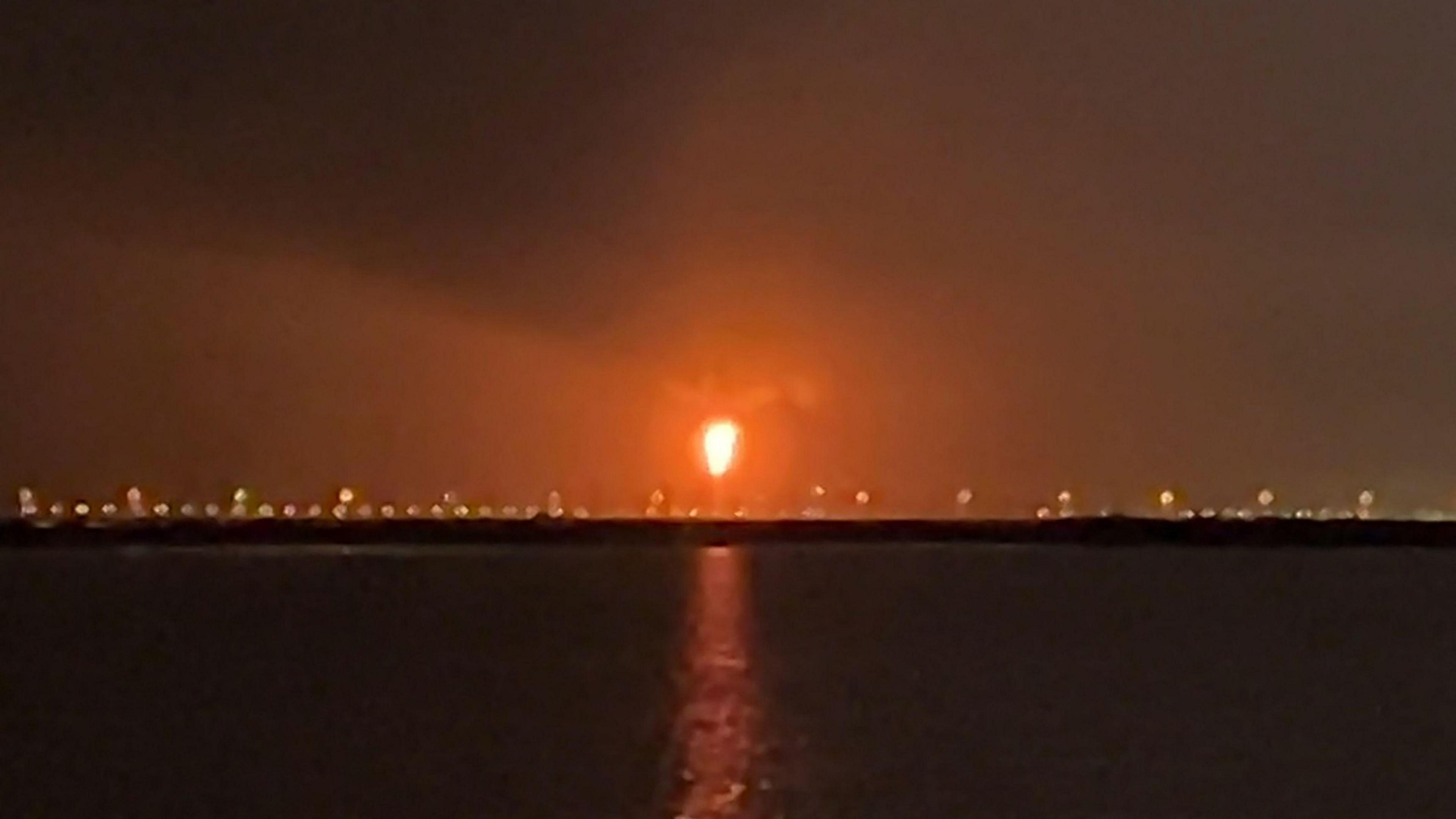
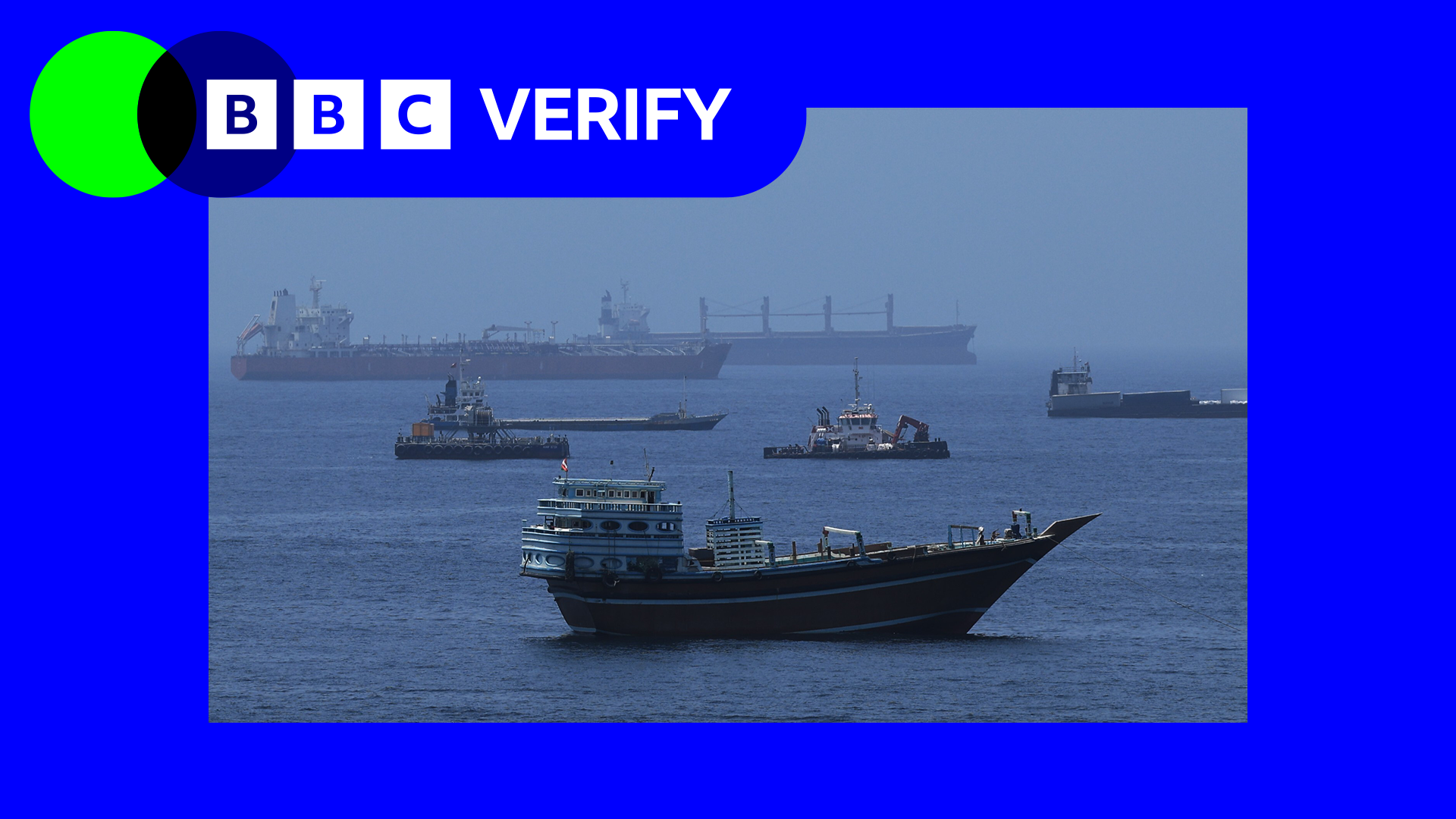
Since the last crisis, Europe has reduced its reliance on Russian oil and gas significantly, now relying heavily on the US and Norway for energy. However, this dependency raises concerns about global price volatility, as seen with the recent events around the Strait of Hormuz, a vital shipping route for oil.
Despite a shift towards diversifying energy supplies post-Ukraine invasion, the pressures from the current conflicts reveal the fragility of Europe's energy security. The challenge remains whether European nations can achieve a unified and effective response that not only addresses short-term needs but also fortifies its energy independence in the long run.