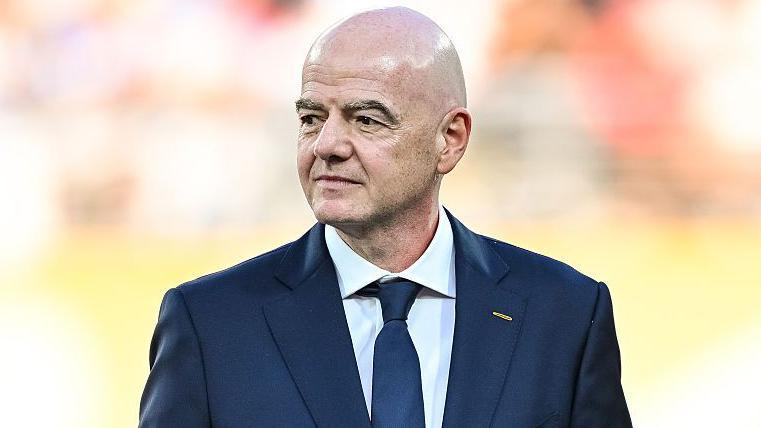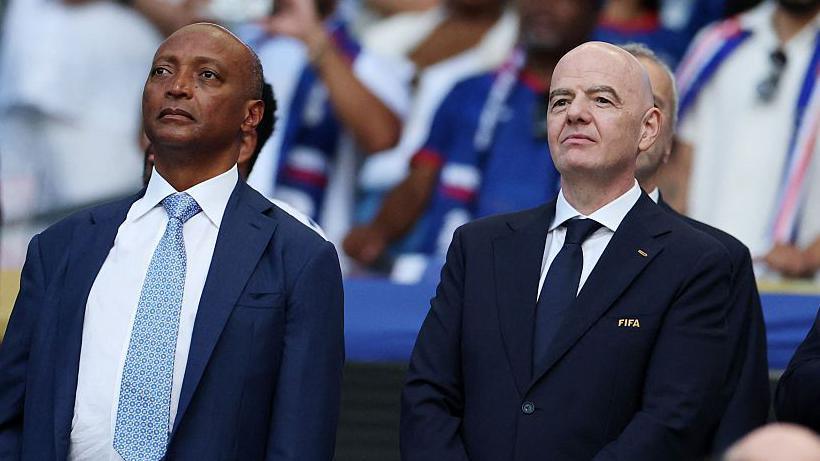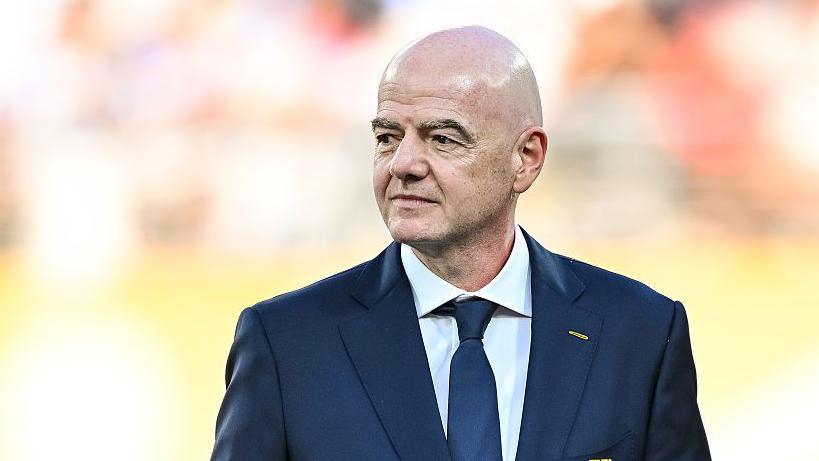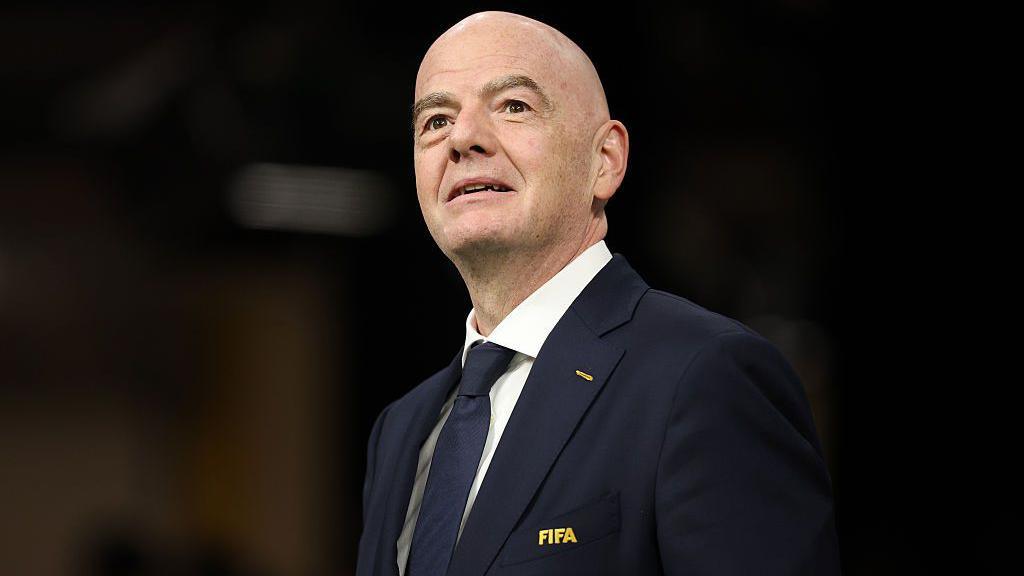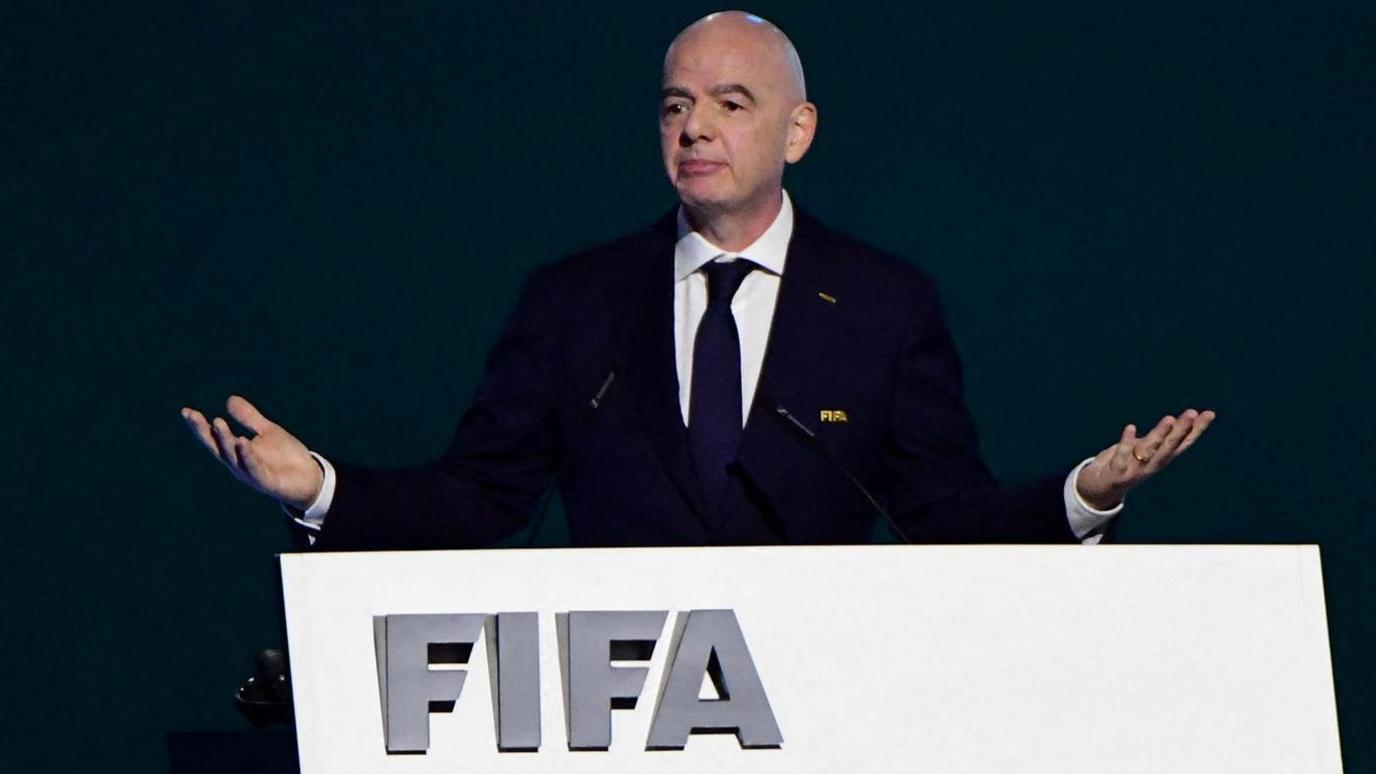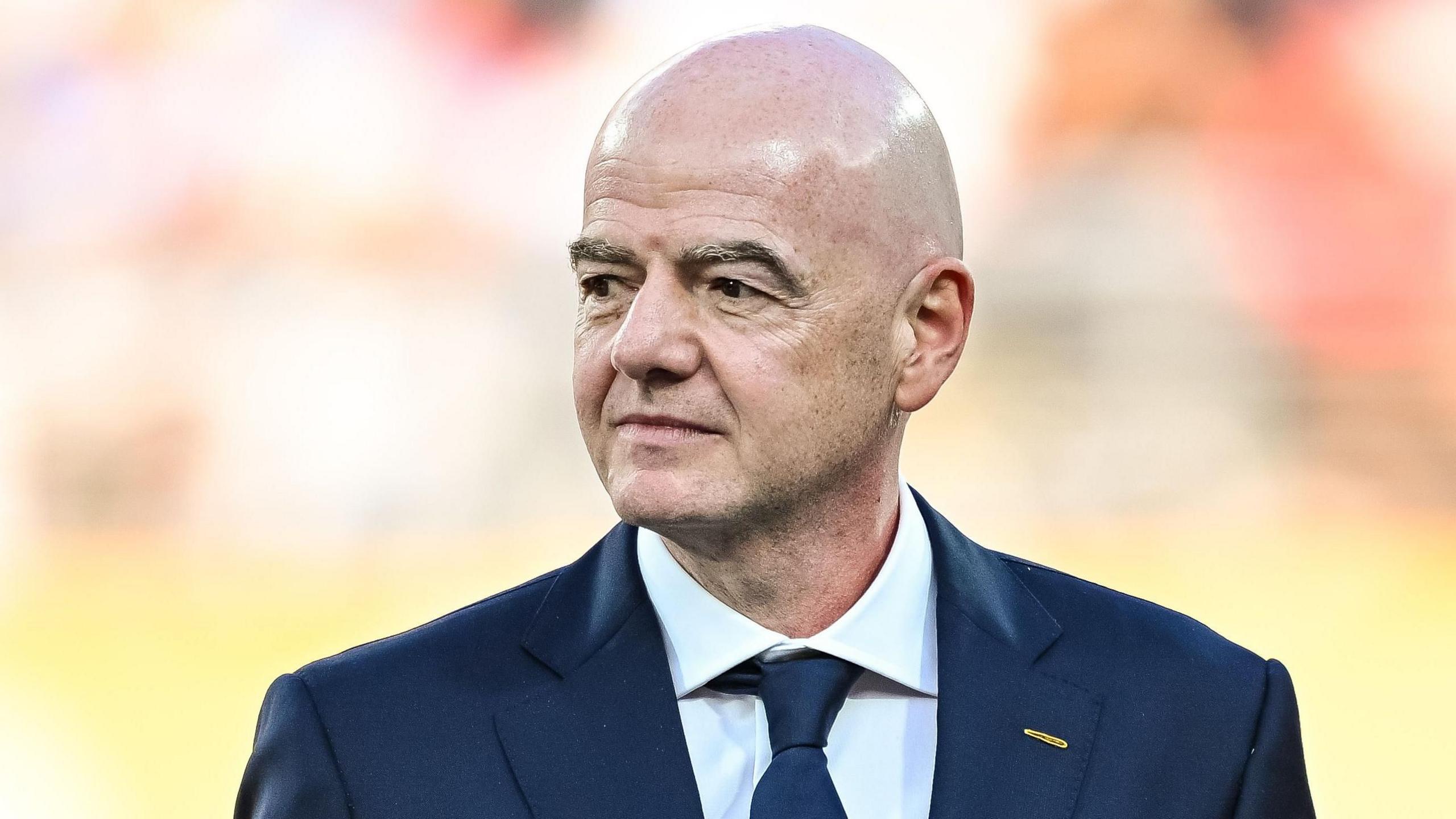
FIFA president Gianni Infantino has announced that the federation will no longer pursue a controversial plan to sell stakes in its major competitions, including the men's and women’s World Cups. The announcement follows widespread condemnation from member associations and football confederations that warned the move would split the sport.
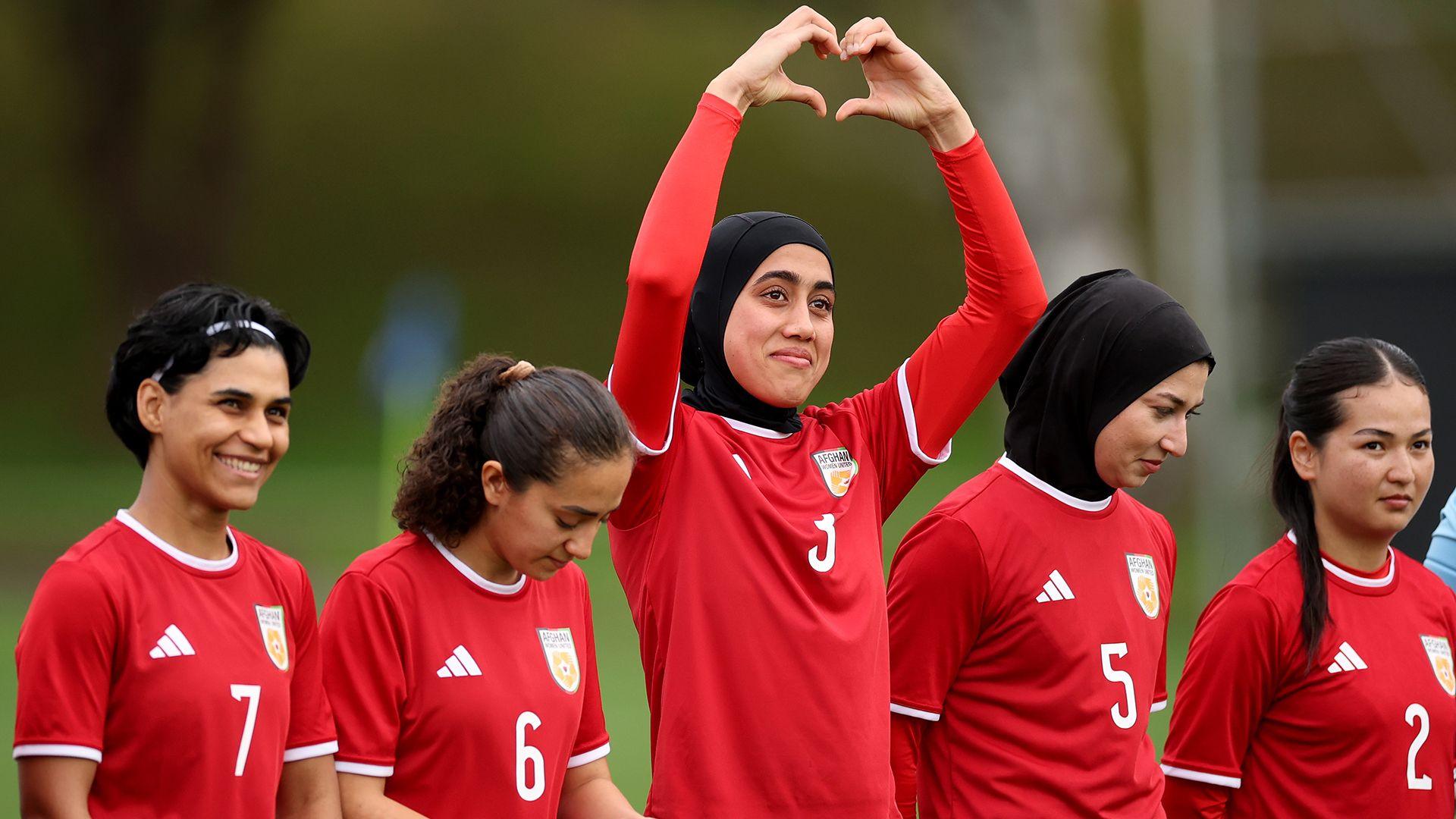
The original proposal, drafted by investment bank JPMorgan, set out a commercial subsidiary called Fifa Forward Enterprise (FFE). Private investors could purchase minority shares, with member associations promised a one‑time payment of $40m (30m pounds) and potential annual revenue of about 24m euros (20.5m pounds) from the 2035‑39 cycle. The plan was presented on 29 July and highlighted “new business initiatives” aimed at expanding the reach of the World Cup, but it made no reference to the women’s game.
Global backlash
On 30 July, UEFA, the body that governs football in 55 European nations, voted to boycott the World Cups if the proposal went ahead. Concacaf, which runs football in North, Central and South America, followed suit, rejecting the plan from its 41 member associations. The Asian Football Confederation (AFC) joined them in solidarity, stating it could not accept a scheme that would mortgage the future of football.
Infantino’s chief operating officer Kevin Lamour called the project “the single‑person project” and said the federation’s own administration had been “deceived.” Senior adviser Carlos Cordeiro resigned, citing that the proposal was a “bad deal for football.” The UK Prime Minister also tweeted that Infantino was “the wrong man” to lead FIFA.
Why it failed
The proposal required a majority of FIFA’s 211 member associations – 106 votes – to pass. With UEFA, Concacaf and the AFC opposing, a combined 136 votes would have been against the plan. Uncertainty over the exact benefits for women’s football and concerns about the influence of external investors tipped the balance of opinion against the scheme.
What’s next
Infantino said he will “bring all interested parties back together” to work in the “spirit of shared interest” in football. The federation’s next congress in March 2027 will confirm its next president, a decision that may hinge on whether the reconsideration of the investment model can restore confidence among member associations.