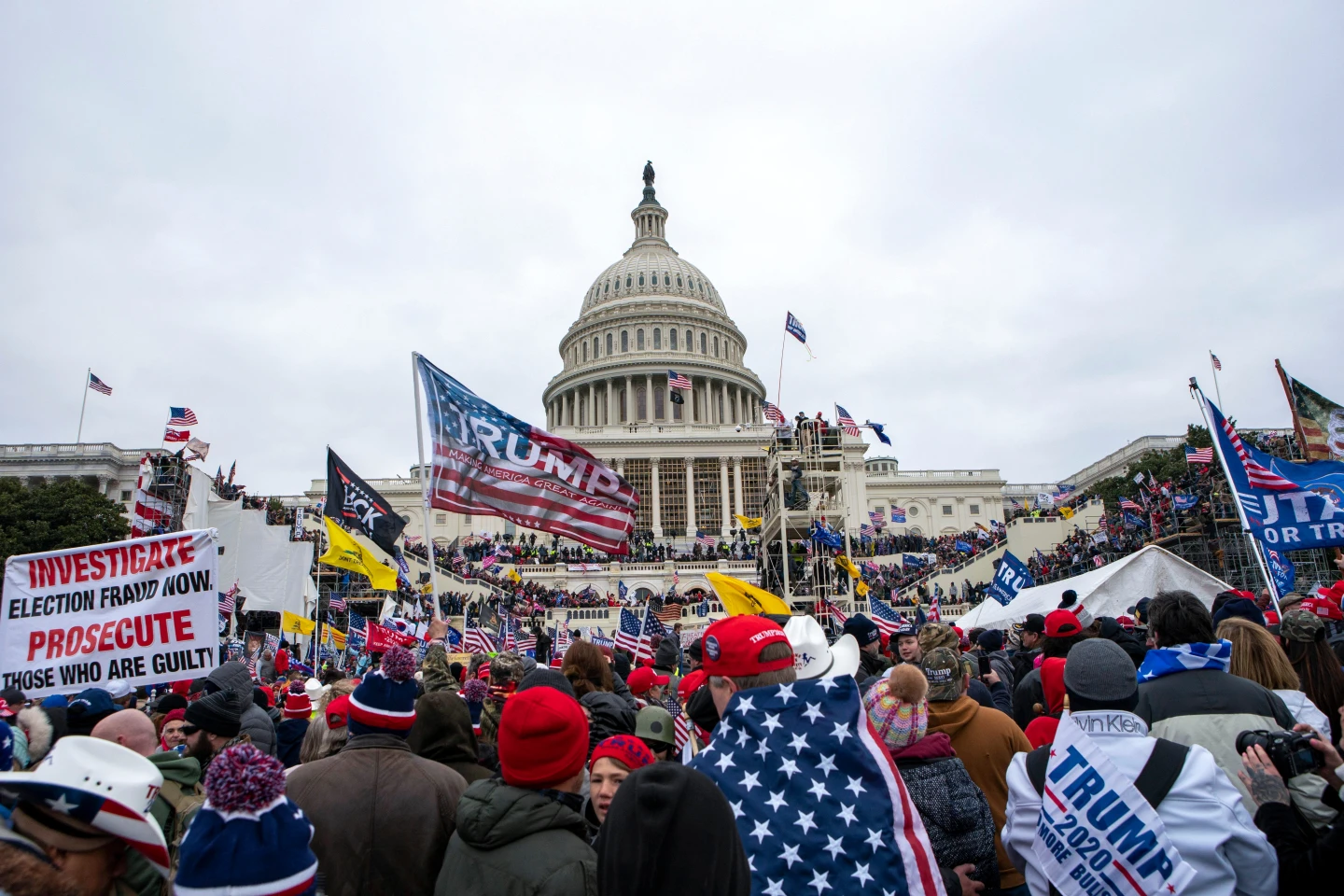
On January 6, 2026, the United States marked the fifth anniversary of one of the most tumultuous days in recent history—the Capitol riot of 2021. The day began without an official memorial event but quickly became a glaring reminder of the deep political divides that continue to exist in the nation.
Five years earlier, former President Donald Trump urged supporters to march to the Capitol during a rally where he falsely claimed the election was stolen. The mob that followed descended into chaos, leading to the evacuation of lawmakers and leaving democracy in peril. Despite the significance, there were no coordinated events to remember this pivotal moment in U.S. history.
Trump addressed House Republicans at the Kennedy Center, shifting responsibility away from himself and placing it on the rioters, claiming he only urged a peaceful protest. Meanwhile, Democrats gathered at the Capitol to reinforce the importance of historical memory to combat what they called an Orwellian effort from the GOP to erase the riot's legacy.
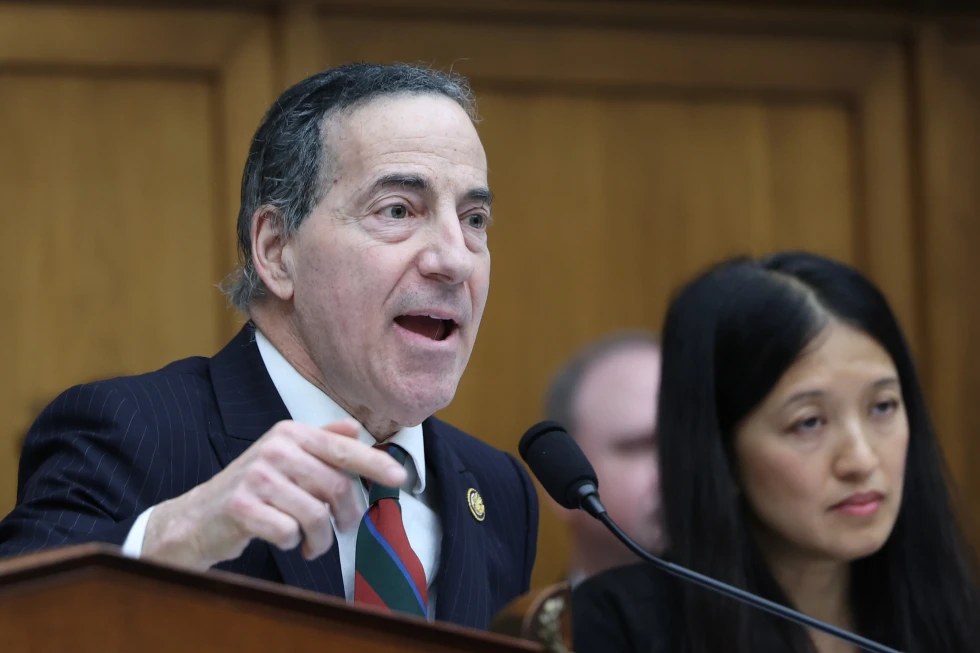
The day saw divisions in both ideology and narrative. Democrats, including Rep. Jamie Raskin, cautioned that their party must combat the GOP's attempt to forget or alter the narrative surrounding January 6. “We must not forget what happened and honor those who defended democracy,” Raskin declared.
On the other hand, former Proud Boys leader Enrique Tarrio led a small gathering to retrace the march from the White House to the Capitol, in memory of those who died during the riot and its aftermath. This action drew criticism and highlighted stark ideological rifts within the historical remembrance of January 6.
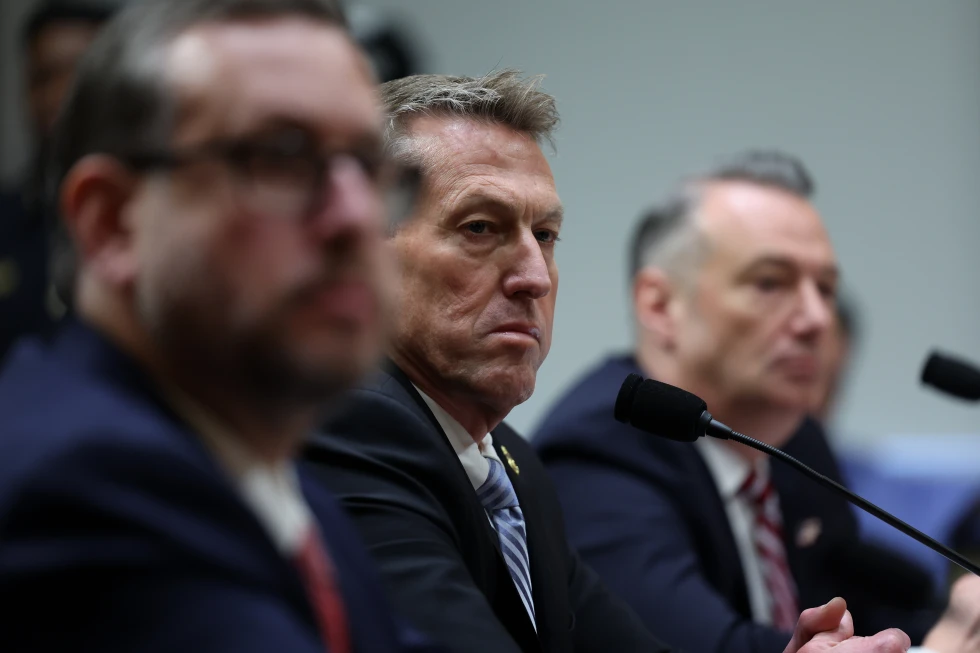
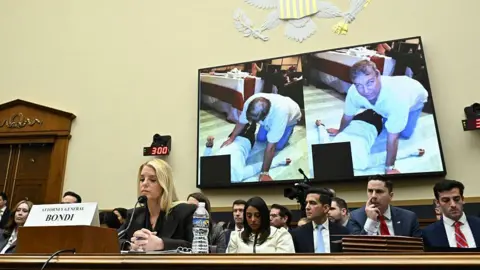
Former Capitol officer Winston Pingeon testified at a special House session, reflecting on the trauma experienced during the riot and emphasizing the need for recognition and support for law enforcement. A poignant moment came when Pamela Hemphill, a rioter who refused a pardon from Trump, tearfully apologized for her actions and expressed regret for the violence that occurred.
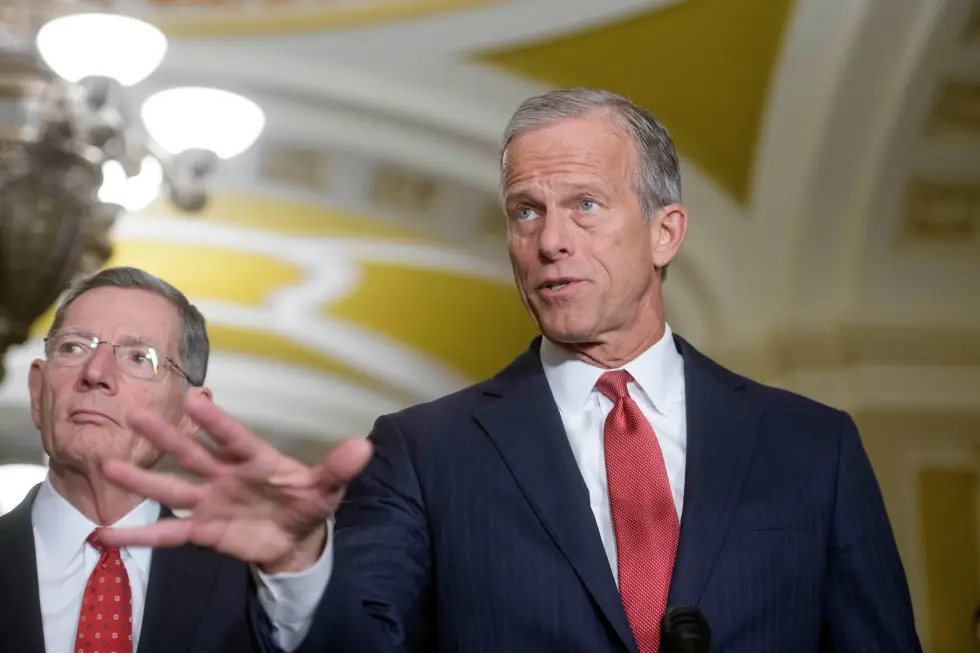
Republicans, particularly those aligned with House Speaker Mike Johnson, held a separate session that focused on alleged security failures during the riot rather than on the actions of Trump or the mob. Loudermilk, who is heading the new GOP committee on January 6, criticized the Democratic-led narratives as a partisan exercise not reflective of the true events.
The 2021 riot resulted in significant legal ramifications, including Trump's impeachment, accusations of inciting the insurrection, and ongoing debates over accountability for both political figures and rioters. As the nation looks toward the future, there remains a pervasive sense of unresolved tension surrounding the interpretation of January 6 and its implications for the United States.
As these anniversaries pass, it remains clear that the memories of January 6, 2021, will continue to influence American politics and society for years to come.