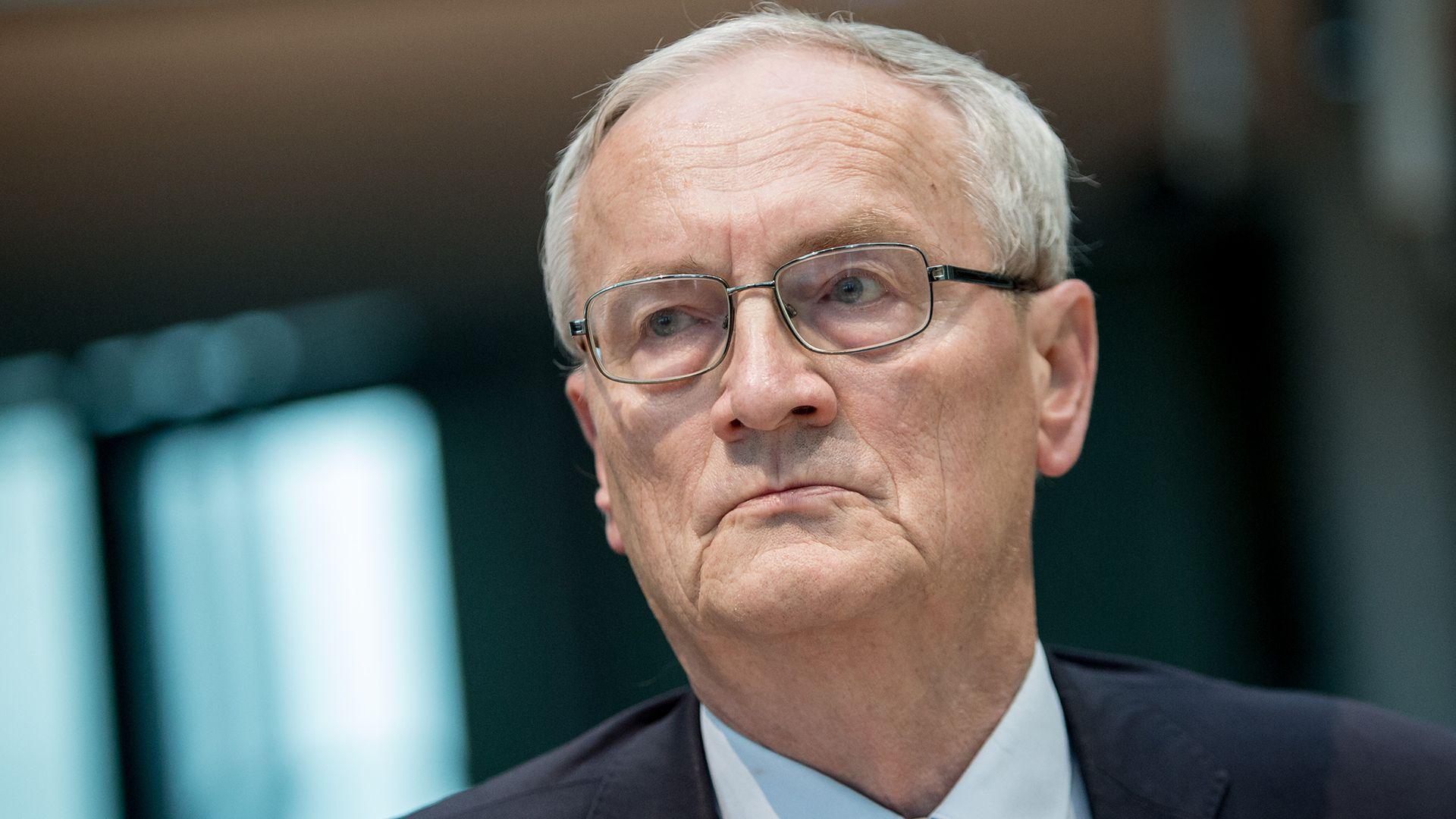
Former German intelligence chief August Hanning has been arrested on suspicion of espionage, treason and unlawfully obtaining classified information for a foreign power, according to the German Federal Prosecutor’s Office.
Hanning headed the Federal Intelligence Service (BND) from 1998 to 2005 and worked thereafter as a private consultant. Prosecutors allege that he used his former ranking to supply a foreign intelligence service with an "analysis" and maintained contact with another foreign spying service. The identities of the foreign powers remain undisclosed.
The investigation also includes former BND employee Mandred D, who is accused of handing Hanning around 2,000 classified documents for cash. Manfred D, his former bureau chief who stayed with the agency until last year, is charged with aiding and abetting treasonous espionage.
Police said Hanning was arrested at his home in Nordwalde near Münster. Manfred D was detained in Bavaria. Hanning is due in court on Wednesday, while Manfred D will appear on Tuesday.
According to a prosecutor’s statement, Manfred D used his senior role to extract highly confidential material over several years, providing it to Hanning “in exchange for remuneration.” Prosecutors also allege that Hanning passed political information, partially based on that material, to a foreign intelligence representative for years.
Hanning’s alleged possession of intelligence documents came to light in a separate case involving German steakhouse heiress Christina Block. Hamburg prosecutors accused Block of orchestrating the kidnapping of her two youngest children in 2023. Investigators suggest Hanning was involved in an earlier kidnapping attempt, which he denies. The case uncovered an electronic storage device containing sensitive information, including recent BND documents.
The BND has faced similar controversies before. In 2023, a senior officer was charged with treason for allegedly passing state secrets to Russia. Carsten L. was also charged with treason for providing intelligence on the war in Ukraine and the Wagner Group, and received roughly €400,000 in compensation. His trial remains ongoing.
The arrests underscore ongoing concerns about insider threats within Germany’s key intelligence services and raise questions about safeguards against foreign influence. The case will likely influence public debate on security, transparency and the accountability of former intelligence officials.