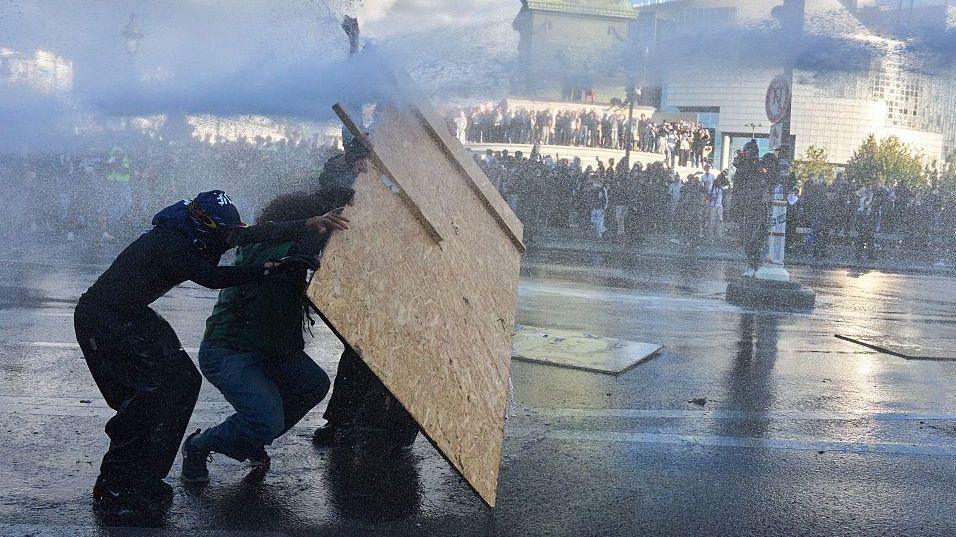

France’s government has announced a plan to deploy 3,000 substitute teachers in the coming days, a first concrete concession amid a week of high‑school protests. The promise, made by Education Minister Édouard Geffray on national television, follows months of student demonstrations that have highlighted a chronic teacher shortage and overcrowded classrooms.
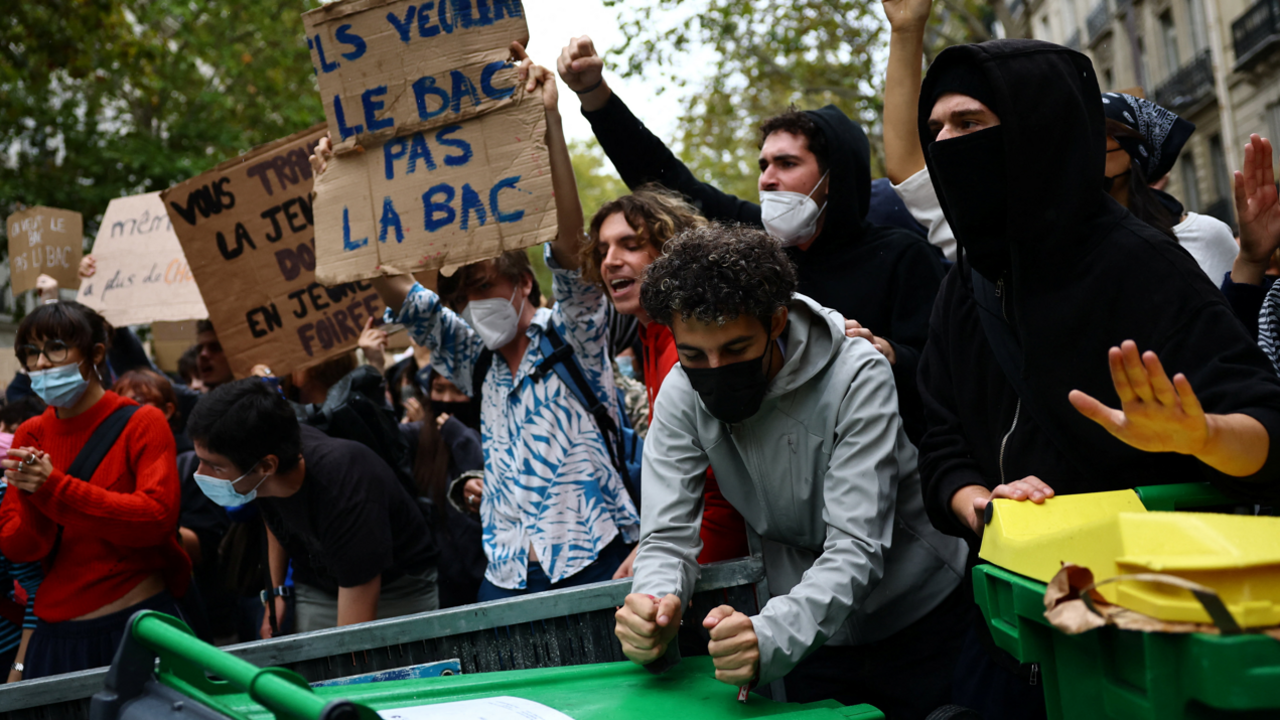
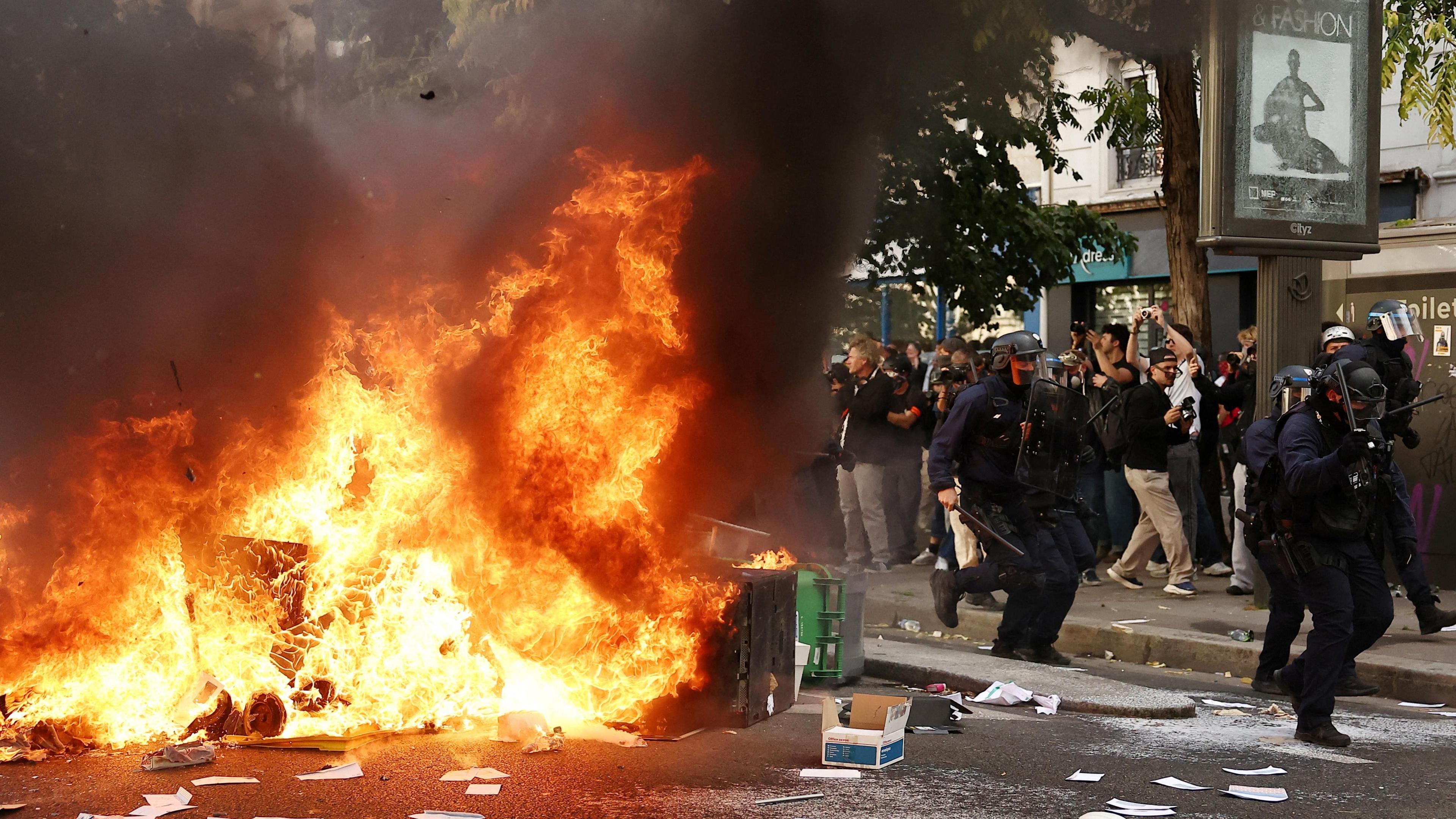
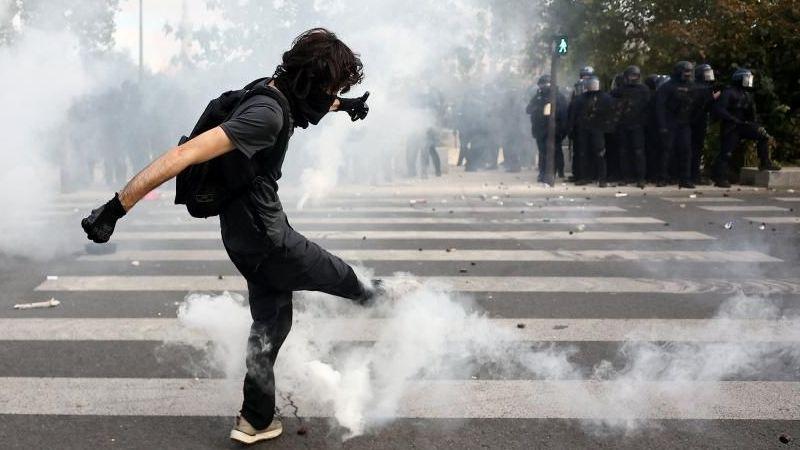
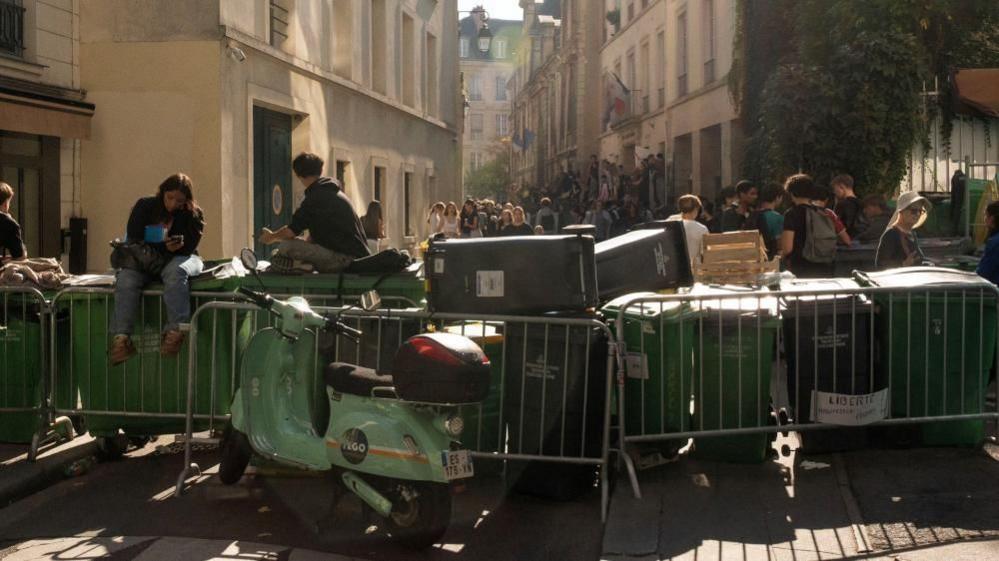
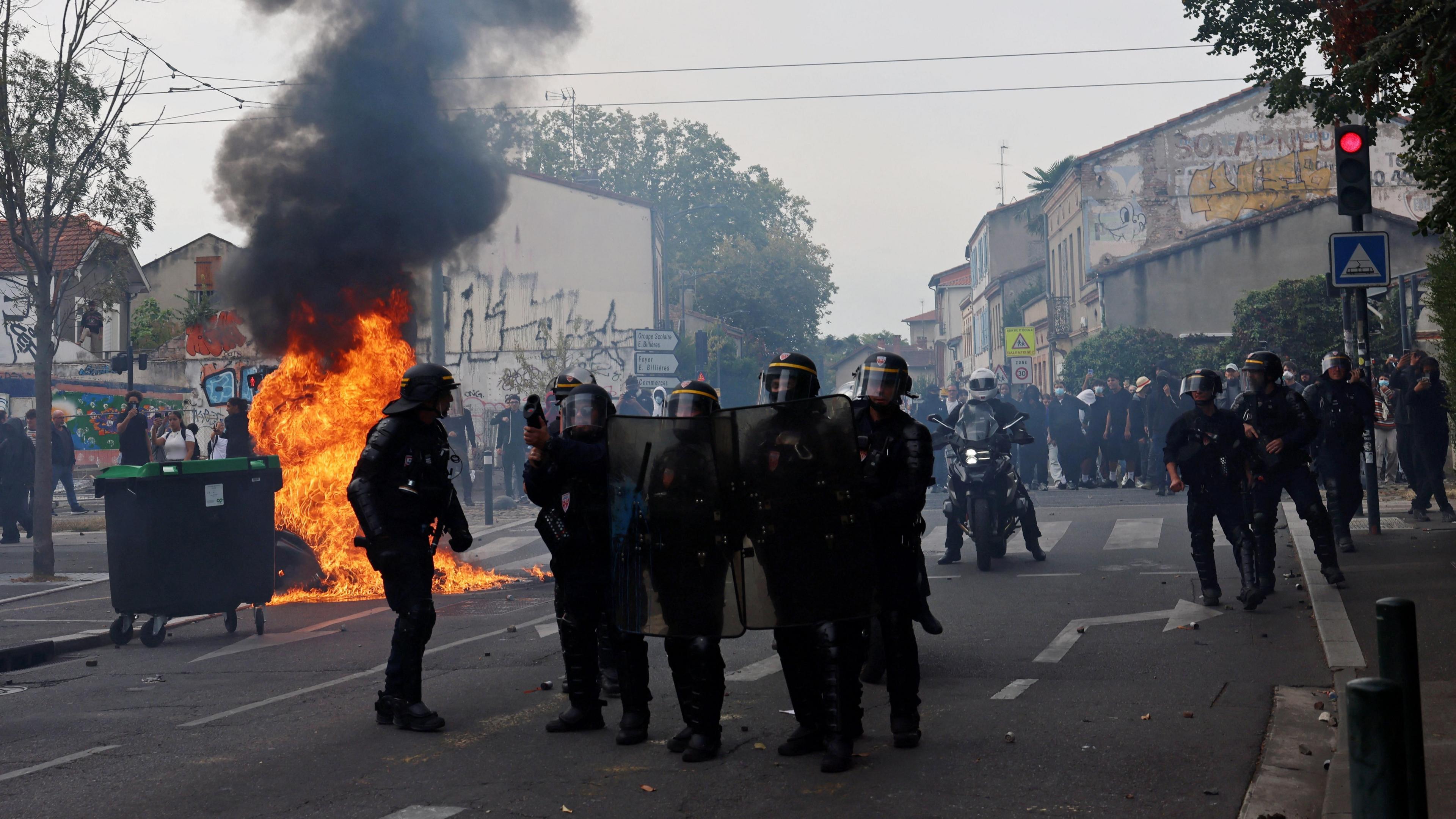
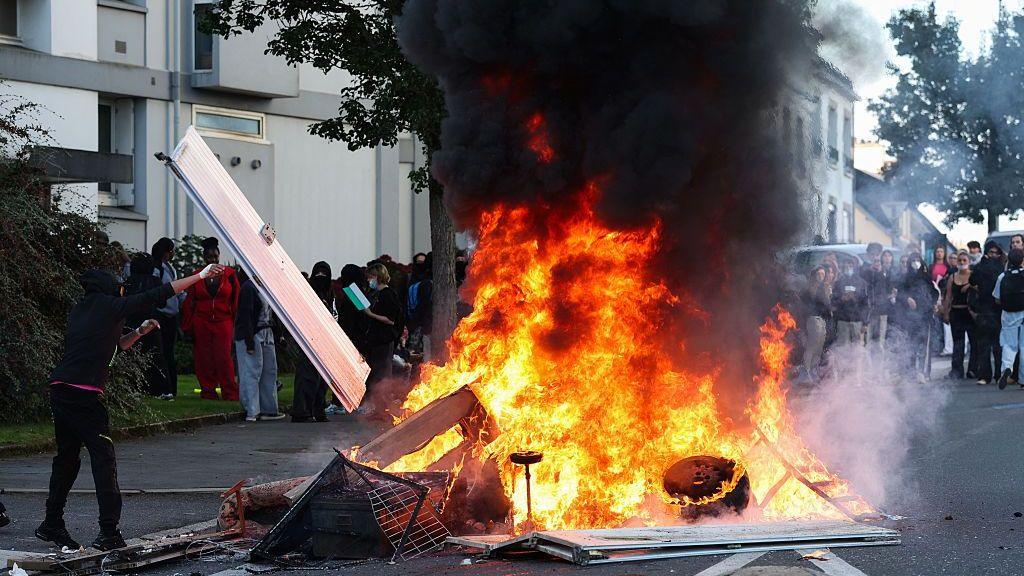
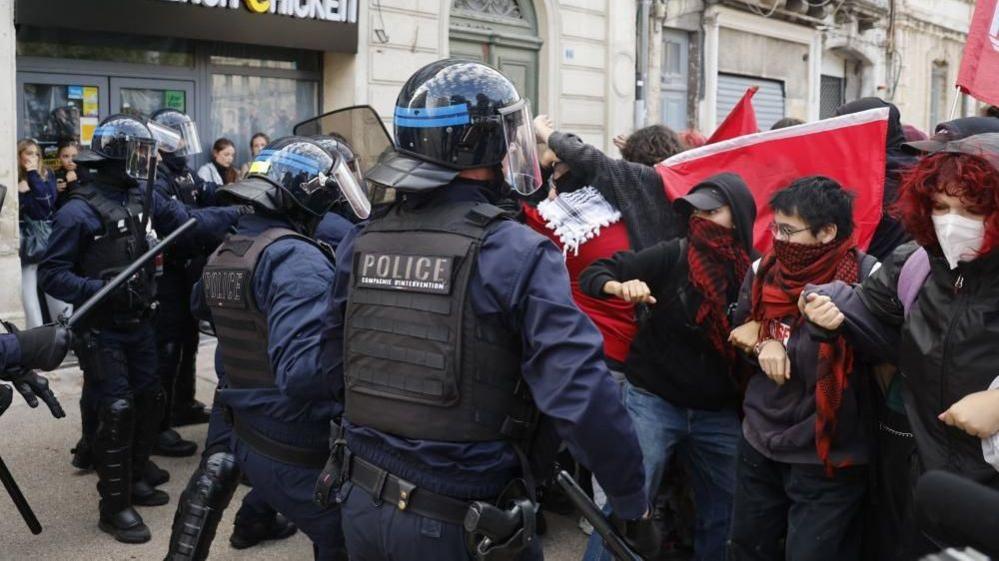
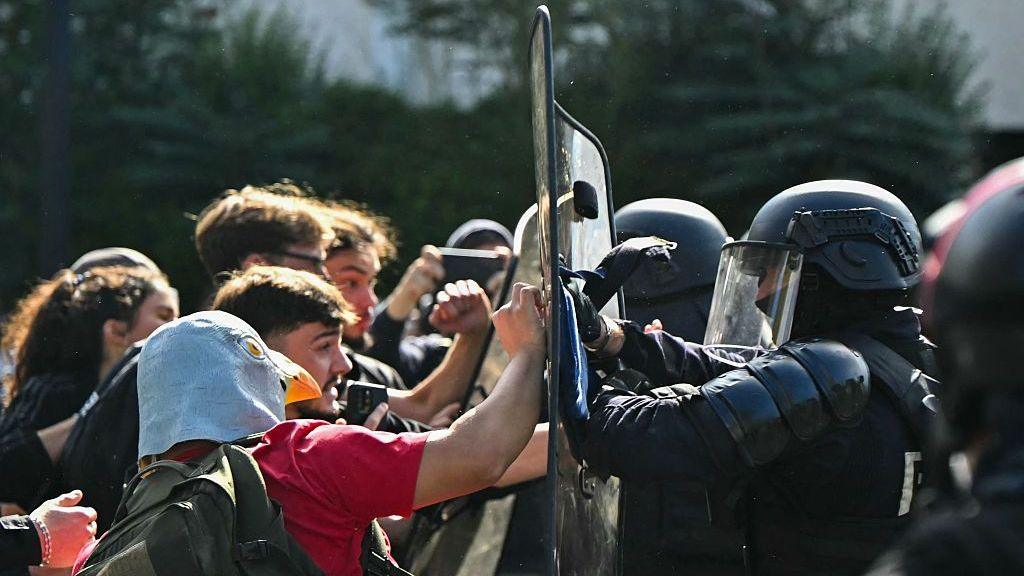
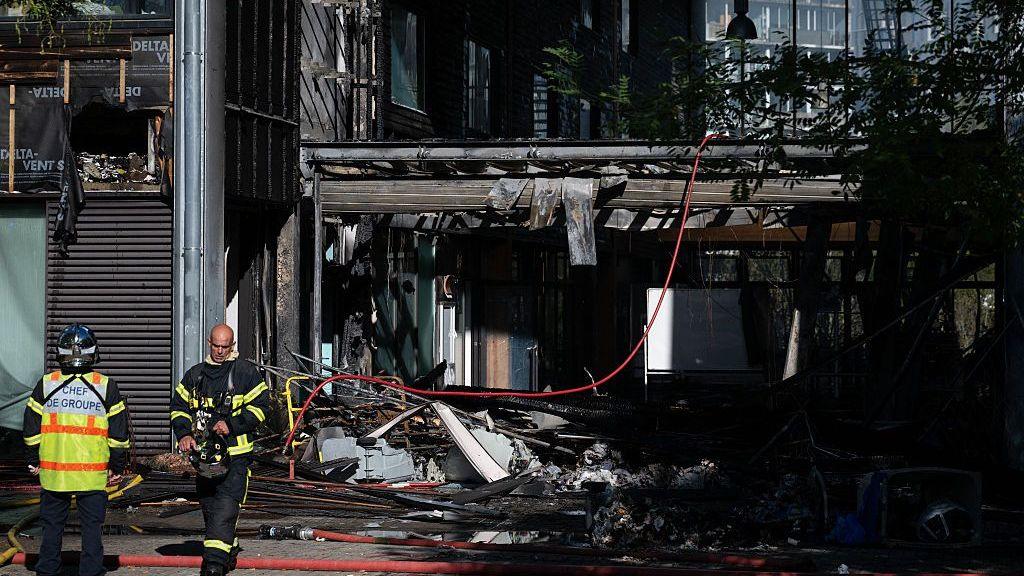
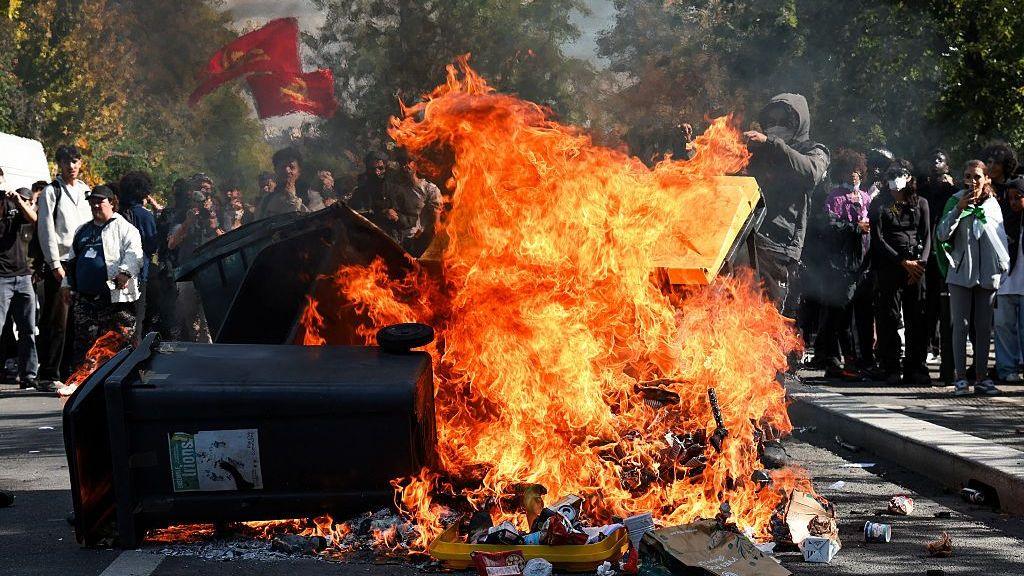
The protests, now in their third week, have drawn more than 71,000 demonstrators nationwide, with about 24,000 congregating at Paris’s Bastille. Police have arrested 6,877 people—over 80 % of them minors—since the unrest began, according to the ministry. In cities such as Bordeaux and Marseille, schools were ransacked and a deputy head was attacked.
Targeting the Hardest‑Hit Schools
Geffray explained that new scheduling software would enable the ministry to route the extra teachers to roughly 500 lycées that are “in the greatest need.” More than half of the schools earmarked for boosters are located in suburban areas with high immigrant populations, where absentee rates have long dragged down class time.
Student Voices Remain Skeptical
“We have to see results on the ground,” said Nathanaël Combary of Renouveau Lycéen, one of the main student unions. “What we need is not just words but a concrete €10 billion investment to bring the system back on track.”
Sabrine Kharbach of the Union Étudiante echoed that sentiment, insisting that action would resume if no “significant funding” is offered. Meanwhile, French far‑left politician Jean‑Luc Mélenchon praised the day’s demonstrations as a metaphorical “retaking of the Bastille.”
A Broader Climate of Unrest
The teachers’ admission comes at a time when France faces potential new protests over rising fuel prices and agricultural distress, with the “Yellow Vest” movement having signalled a blow‑out day of demonstrations on 17 October. In addition, the upcoming presidential elections in April‑May are set to deepen political polarization.
The government hopes that the approaching half‑term holidays and a forecast of colder weather will help temper the next wave of unrest. However, the new teachers will be closely watched by students and unions alike to assess whether this is the start of genuine reform or just a temporary band‑aid.
Only time will tell if the 3,000 new staff are enough to restore calm and confidence in France’s secondary schools.