Fujisawa Faces Identity Battle as Japan’s First Mosque Stirs Debate
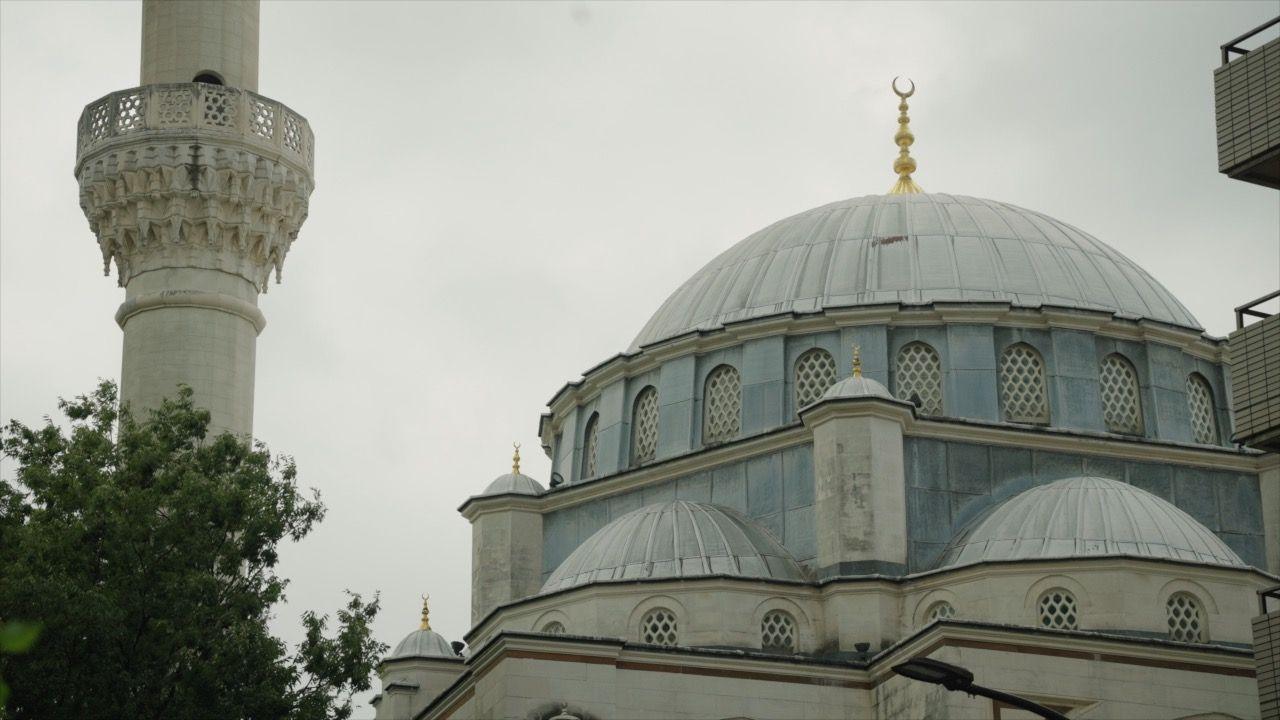
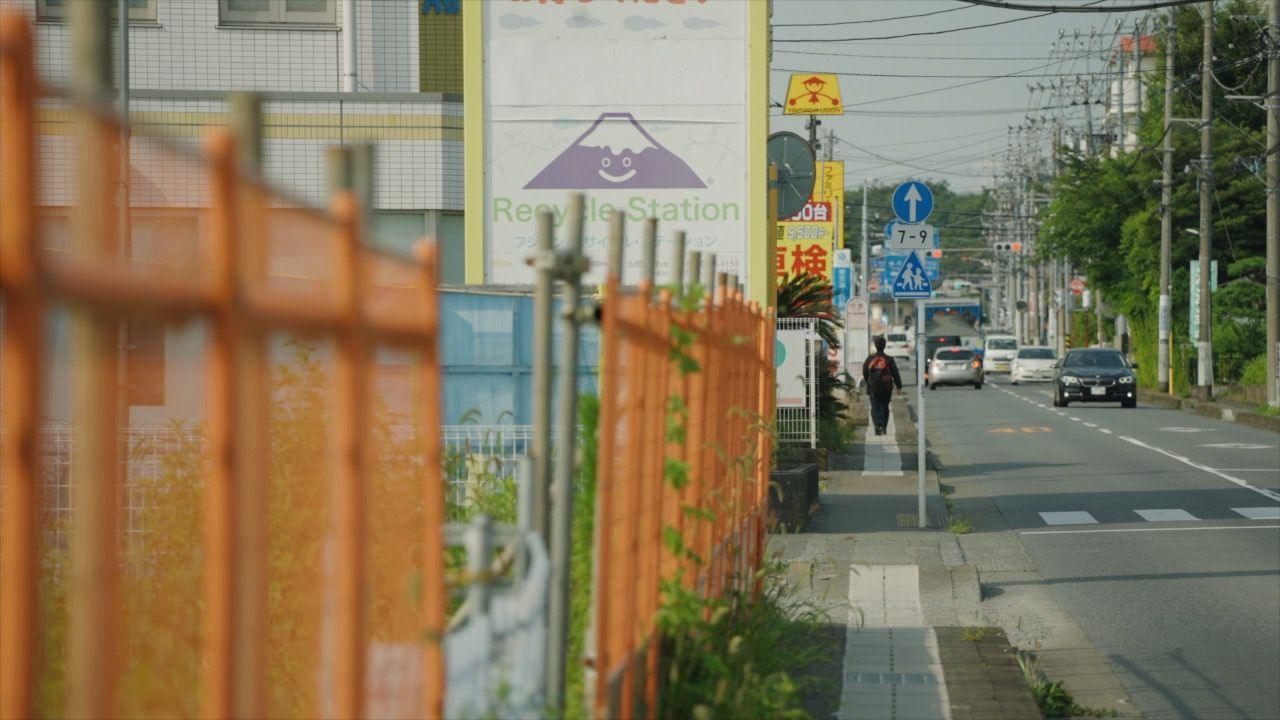
Today the sprawling grass of Fujisawa’s outskirts stands empty where a mosque will soon rise. For many local residents, the idea of a religious building dedicated to Islam is more than an architectural change – it is a flashpoint for fears about cultural shift and a reminder of Japan’s tight‑knitted social fabric.
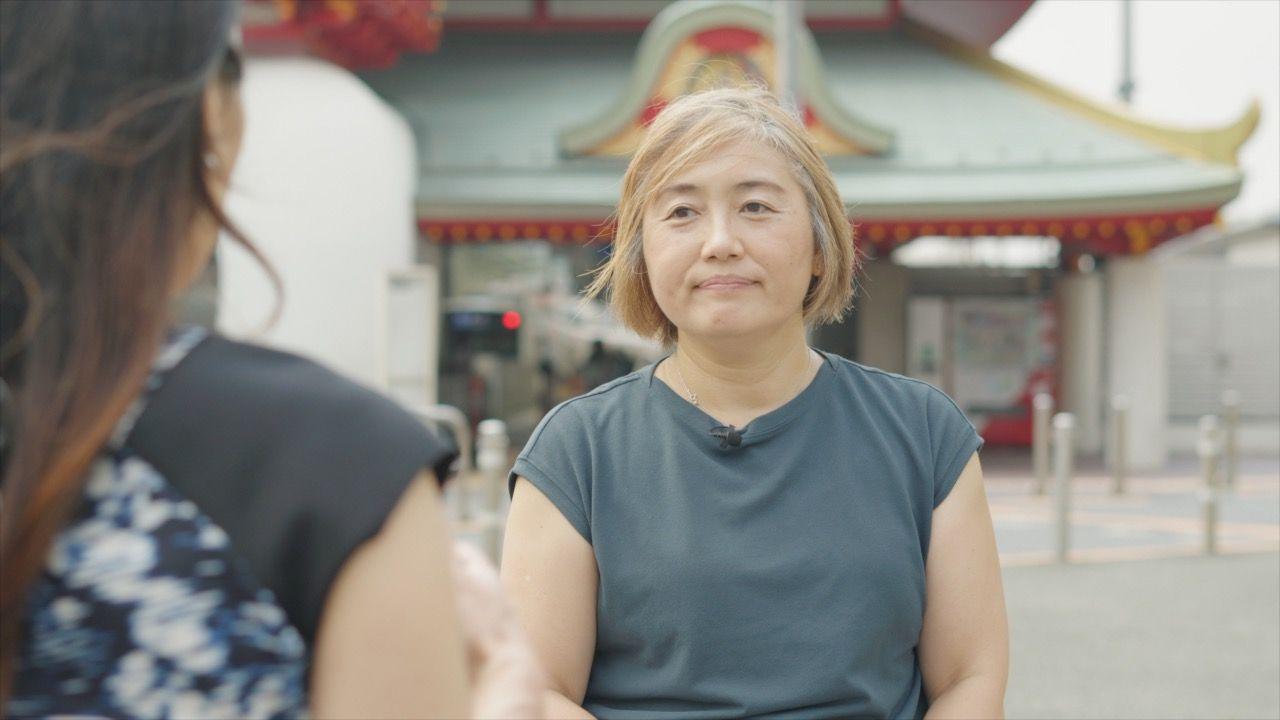
"It makes me worry about how our community might change," long‑time resident Noriko Izumizawa told reporters. Her voice echoes that of others who see the mosque as a challenge to a way of life that has stayed unchanged for generations.
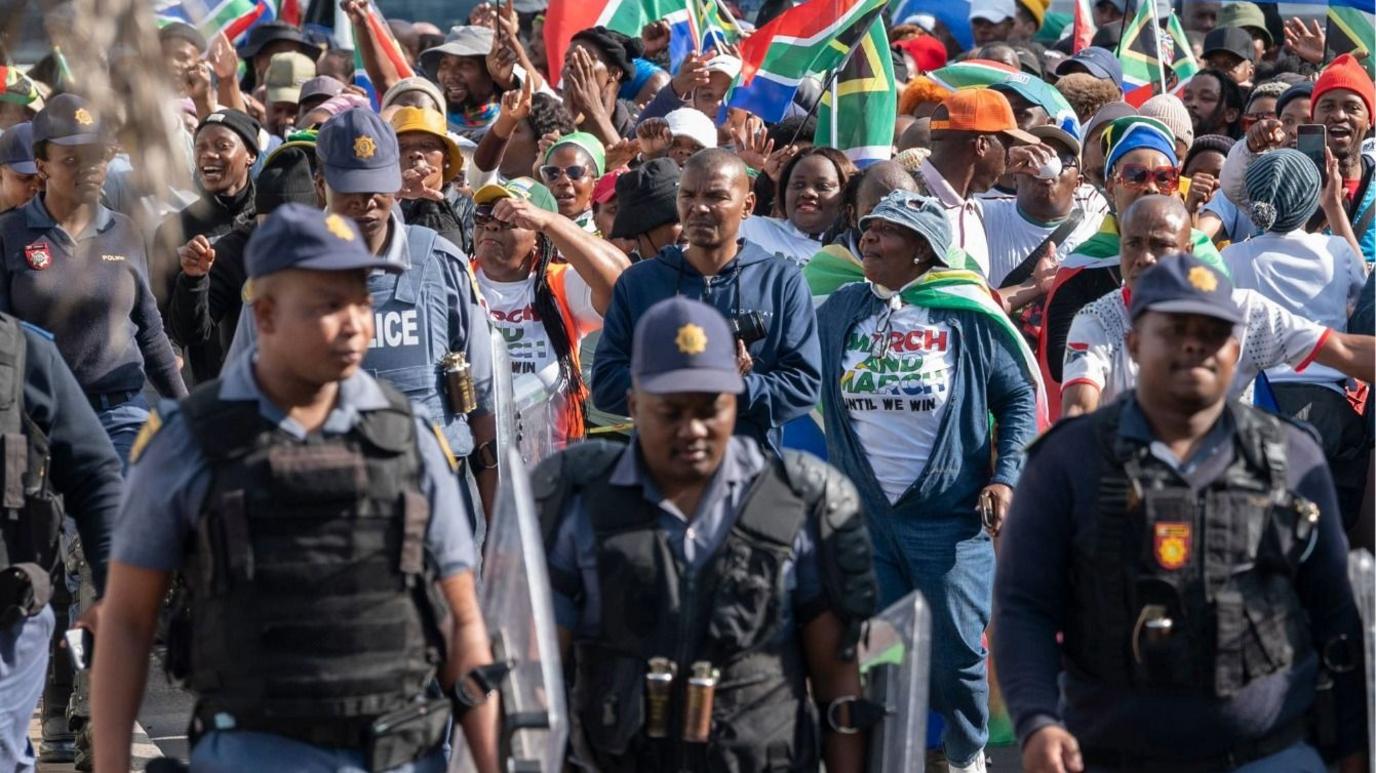
The debate is not new. Earlier this year thousands gathered at the town’s train station to protest construction, arguing a mosque larger than the neighboring Shinto shrine would appear disrespectful. The protests were accompanied by online hate‑speech and misinformation, prompting local anti‑hate groups to organise counter‑protests that demanded respect and understanding.
Yet amid the anger, some Fujisawa voices advocate for dialogue. Hiroki Suzuka, owner of a nearby coffee shop, said “I’m not particularly opposed, but I wouldn’t say I’m strongly in favour either.” He explains that “the first step is to learn about them, what Islam is, what kind of people they are.”
The story of Fujisawa is paralleled by experiences of other Muslims living in Japan. Businessman Mohamed Mohideen, who settled in Osaka in 1987, notes the rising hostility and calls from online commenters asking him to leave “our country.” He stresses that patience and respectful dialogue are the only way forward.
“When that happens, the only thing we can do is be patient. They’re trying to provoke.”
And in Saitama, local mosque leader Shakeel Mohamed highlights the importance of following local laws and etiquette: “We make every effort to respect the way things are done in Japan.” These stories show how the religious minority is striving to coexist while Japan confronts its demographic crunch.
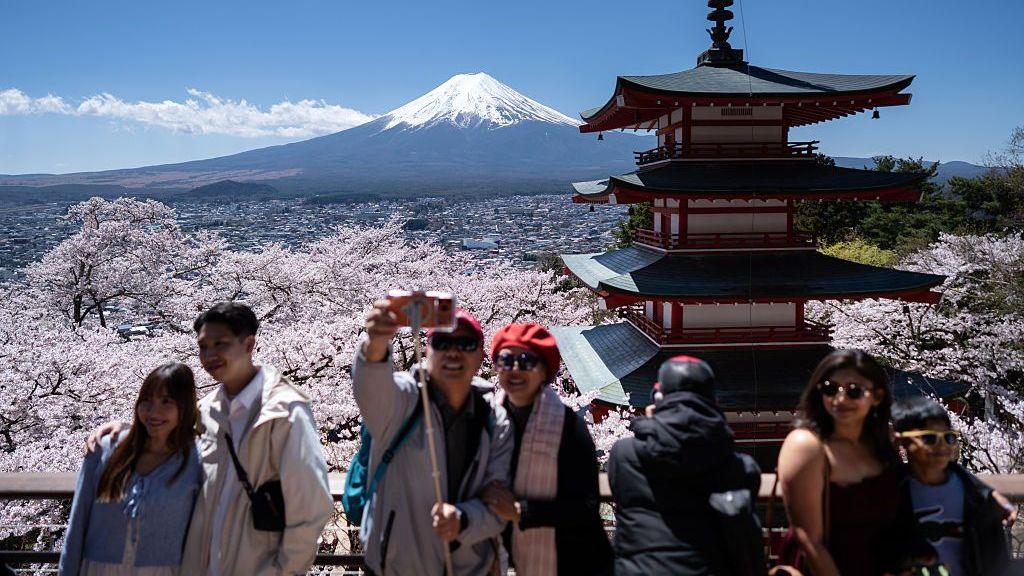
Japan’s rising Muslim population—about 420,000 in 2024—mirrors the surge in foreign residents who now fill over two million jobs. Yet the government remains wary, with visa fees raised fivefold in June 2026 to deter large‑scale migration. As communities like Fujisawa confront the arrival of the first mosque, the nation faces a pivotal question: Can Japan preserve its sense of identity while embracing diversity?
Izumizawa admitted that she has never had a negative experience with a Muslim neighbour herself. “The truth is, maybe I just fear the unknown,” she said.
Additional reporting by Chie Kobayashi