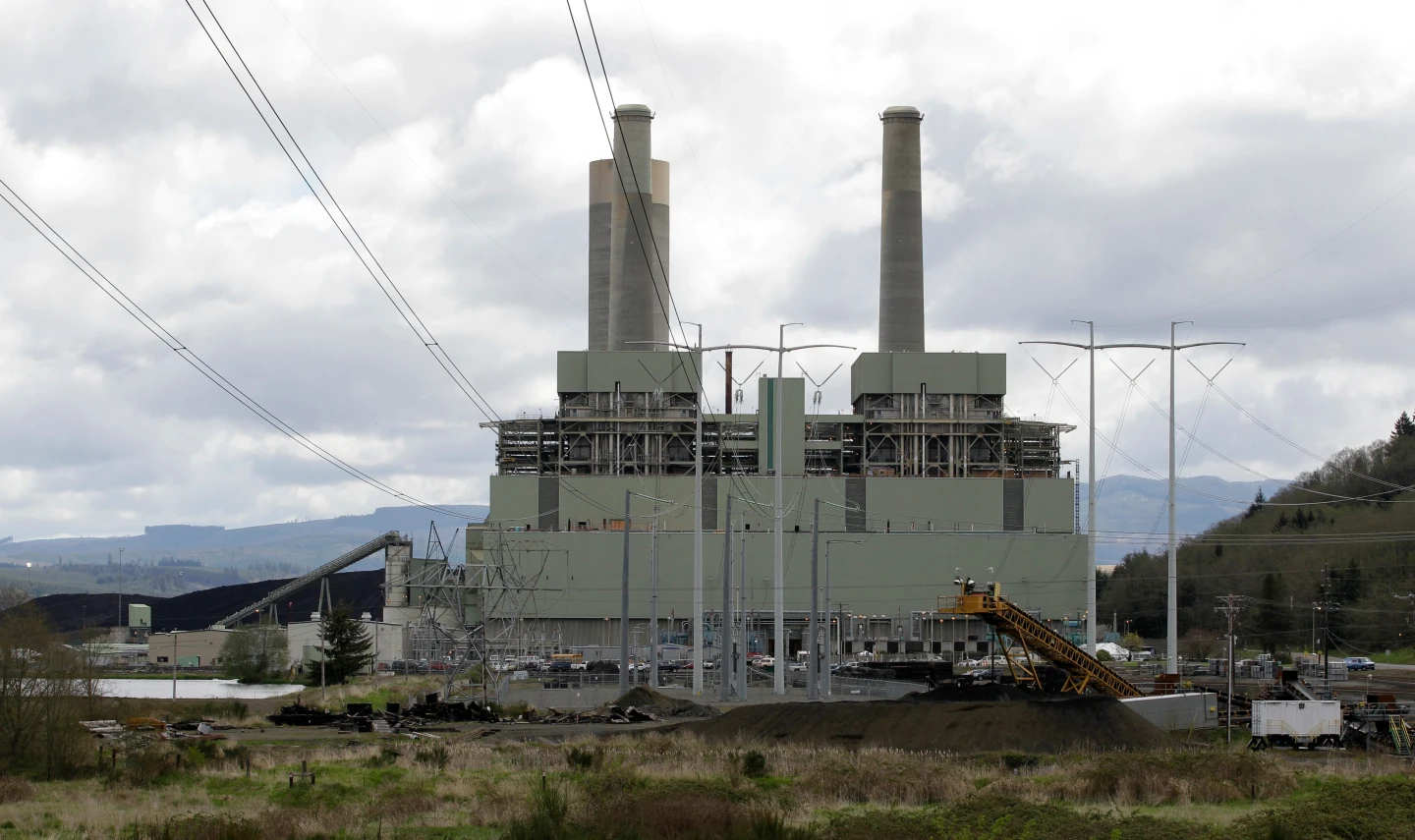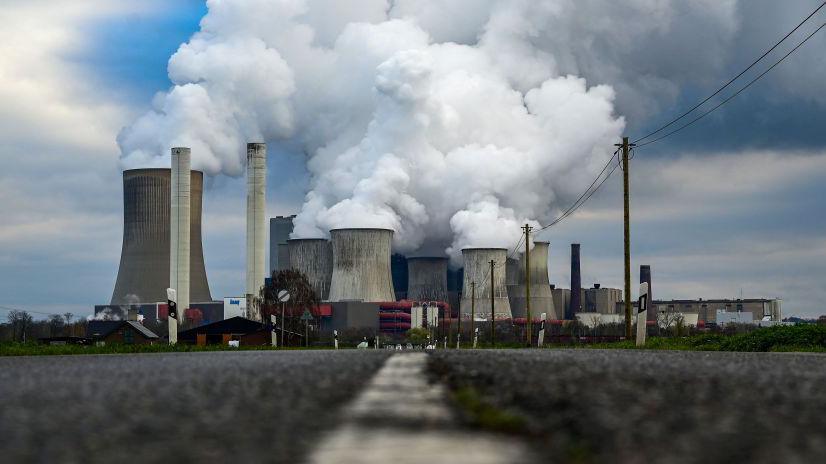
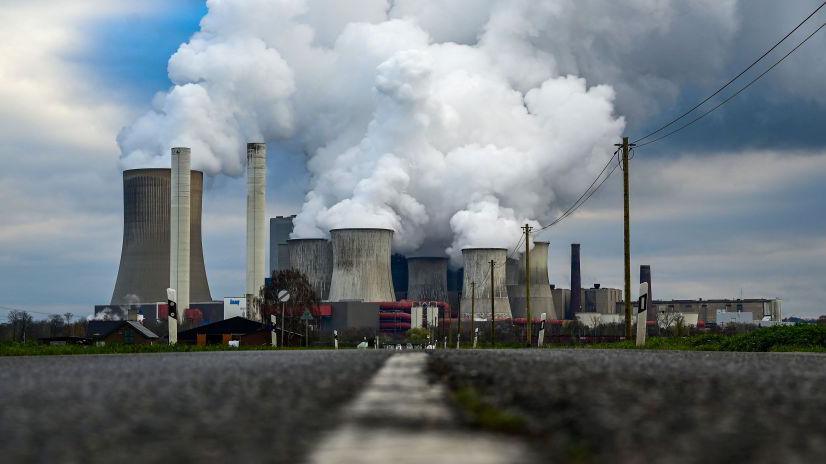
Germany’s policy of “kohleausstieg,” or coal phase‑out, has been a cornerstone of its green agenda, with a target to abandon all coal by 2038. For lignite – the cheap, high‑pollution coal that Germany mines in abundance – that deadline was already advanced to 2030.
Renewable energy leads Germany’s power mix: 59% came from renewables last year. To bridge the gaps left by intermittent wind and solar, the country has leaned more on natural‑gas plants, which emit roughly half the CO₂ of coal and currently supply about 13% of power.
However, the sharp rise in global gas prices – triggered by the US‑Israel conflict with Iran – has spurred governments elsewhere to loosen coal rules, with Japan, Italy and India all easing their phase‑out dates.
Chancellor Friedrich Merz warned that a strict coal exit could jeopardise Germany’s industrial backbone: “We must supply this country with electricity. I am not prepared to jeopardise the core of our industry simply because we have adopted phase‑out plans that have become unrealistic.”
The core problem is supply and price. Germany possesses huge lignite reserves, making it self‑sufficient in that fuel, while it imports 95% of its natural gas. With gas prices soaring, cheaper lignite becomes financially appealing and offers supply certainty. Nuclear power – closed in 2023 – cannot fill the gap.
Industry circles, such as the German Chemical Industry Association, stress that reliable, affordable energy is essential for investment. “Renewable energy alone cannot yet guarantee this… Companies will only invest billions if they can trust that energy will remain reliably available at competitive prices,” notes Wolfgang Große Entrup, director general of VCI.
Political division plays out between the centre‑right CDU/CSU, which favours extending coal use, and the left‑wing SPD, which opposes it. The SPD’s energy spokesman, Nina Scheer, calls any relaxation “counter‑productive for the energy transition.” Meanwhile, CDU deputy leader and Saxon Minister‑President Michael Kretschmer stresses affordability and supply security.
A possible compromise under discussion would allow six coal plants that use imported hard coal – less polluting than domestic lignite – to operate more regularly than the current backup mode. The owner, Steag Iqony Group, argues that doing so could power several million homes and strengthen grid resilience.
A parliamentary committee formed in March is studying this proposal, and the government is scheduled to publish a statutory review in August that will assess coal’s impact on supply security and prices. Whether the review will prompt an acceleration or a stall in the “kohleausstieg” remains undecided.