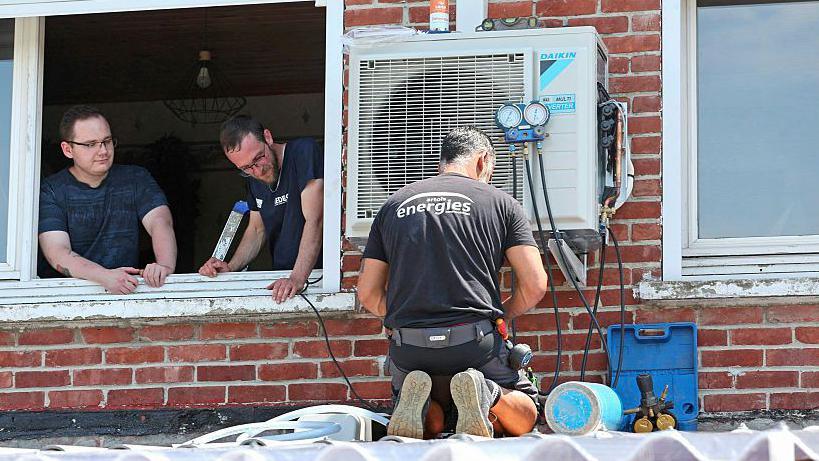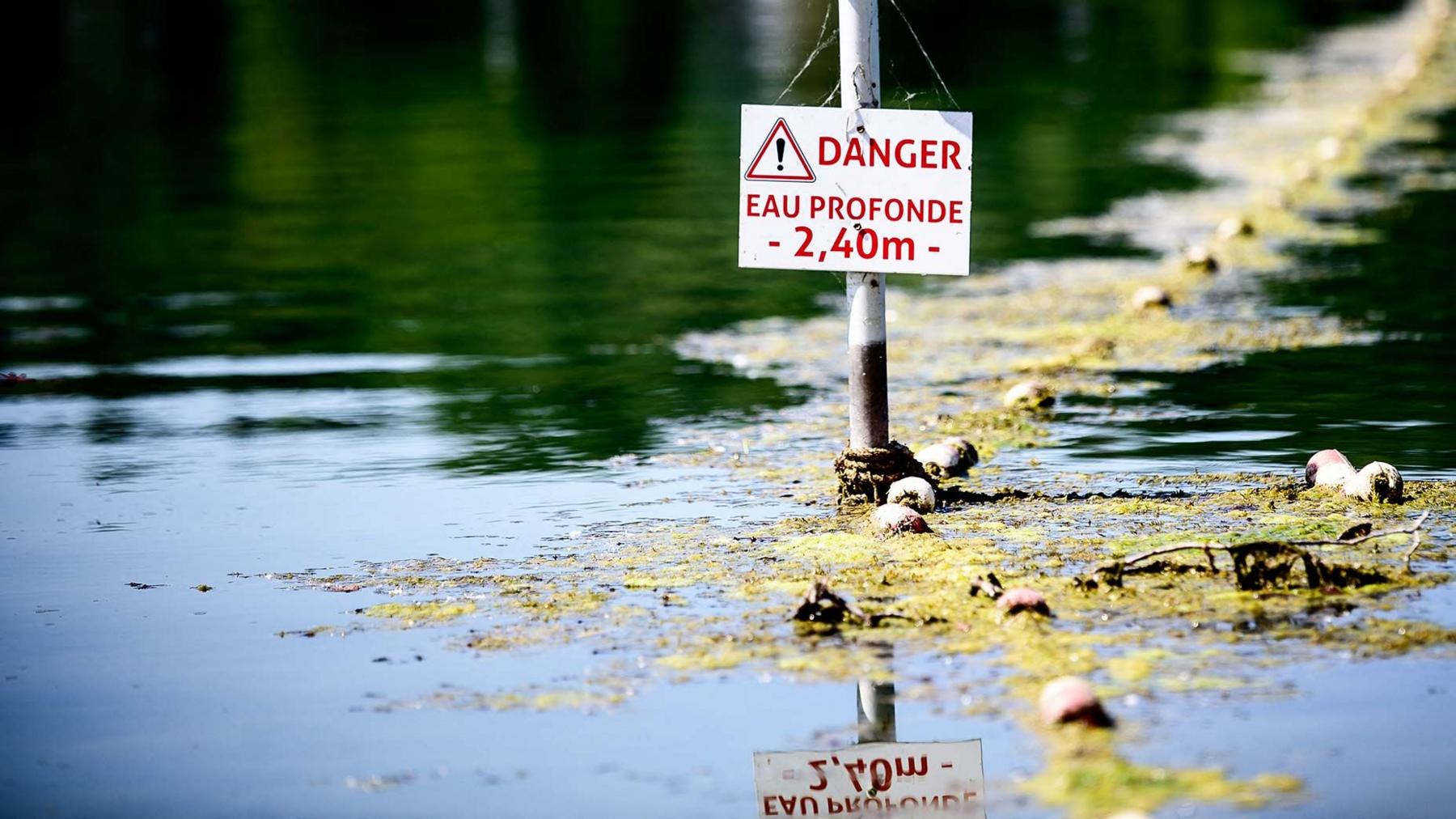
During the hottest June on record for modern Europe, France has reported 40 drownings linked to the heatwave, the government said on Thursday. In a radio interview, Sports Minister Marina Ferrari cautioned that “going swimming in unsupervised areas during a heatwave” is a grave risk. The deaths include a 13‑year‑old girl who slipped in the River Seine and a professional footballer rescued from the Rhône after a fatal river incident.
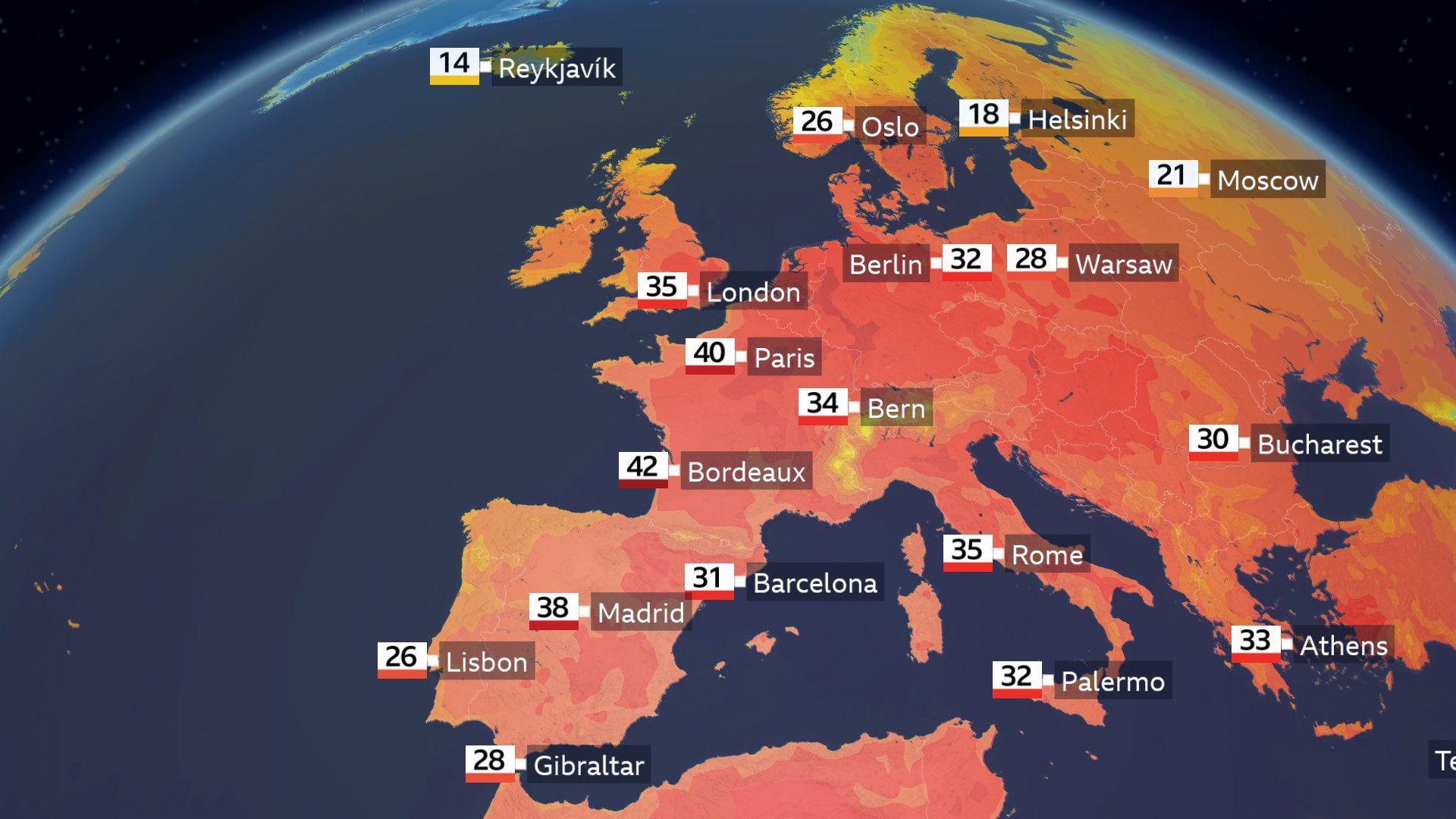
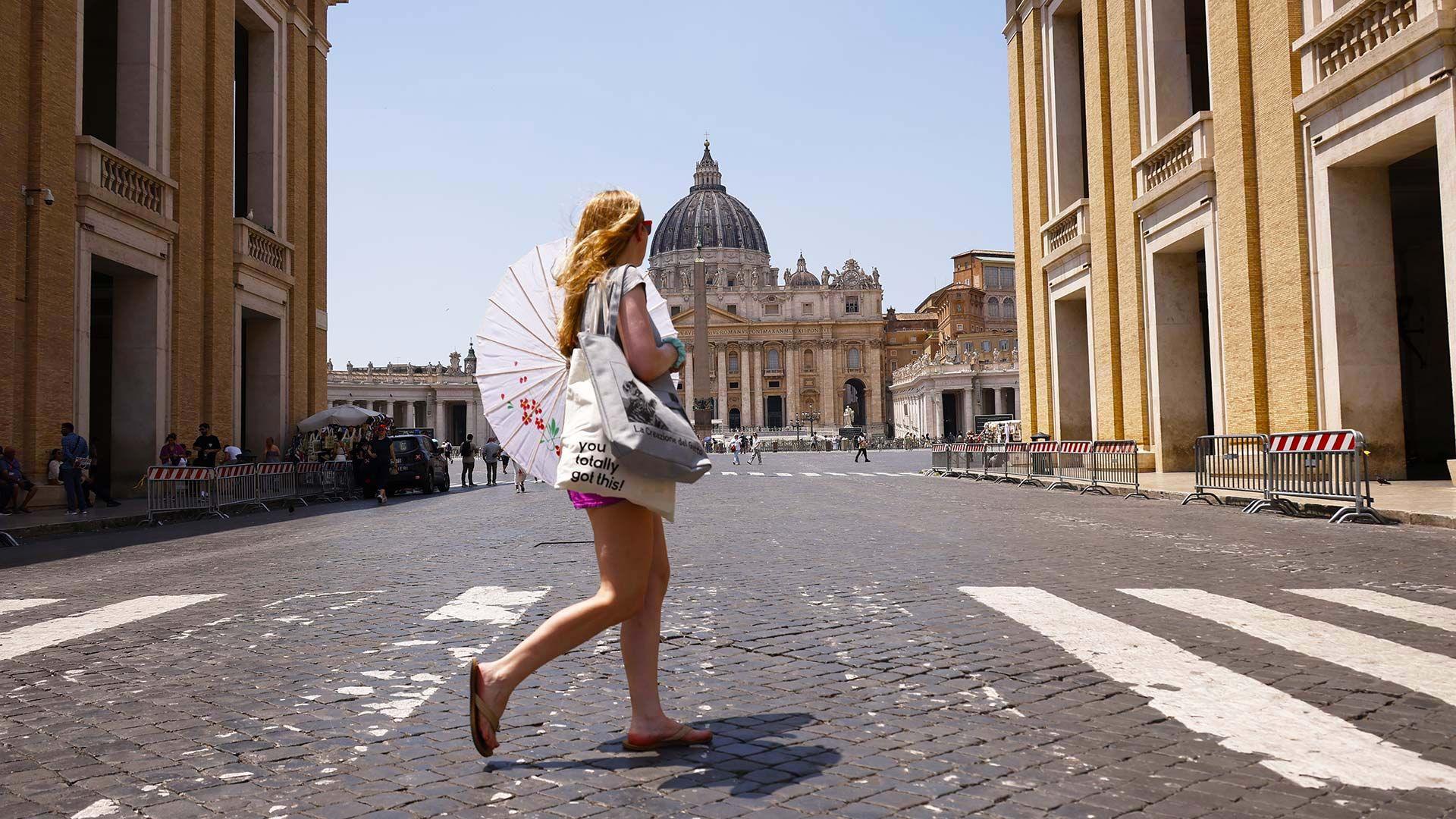
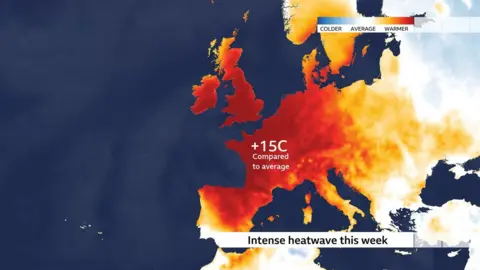
National heat warnings have been issued across France, Spain and Italy. France’s record‑high June day averaged 29.8 °C, while its hot night hit 21.6 °C, causing more than half the country to enter a red alert zone. In Spain, temperatures exceeding 40 °C are expected in the south, with red alerts also in Andalusia, Cantabria and the Basque Country. Italy has twelve cities in a red alert status, including Rome, Milan, Florence, Turin and Venice, signalling “health risks even to healthy adults.”
The widening heat crisis has already impacted other sectors. Germany’s Lifesaving Association reported six fatal drownings between Friday and Sunday, with three bodies found in the Rhine and missing men aged 23, 27 and 50 in two river incidents. A southwestern French nuclear power plant was shut down on Monday night because river water temperatures were set to exceed 28 °C, the limit for reactor cooling.
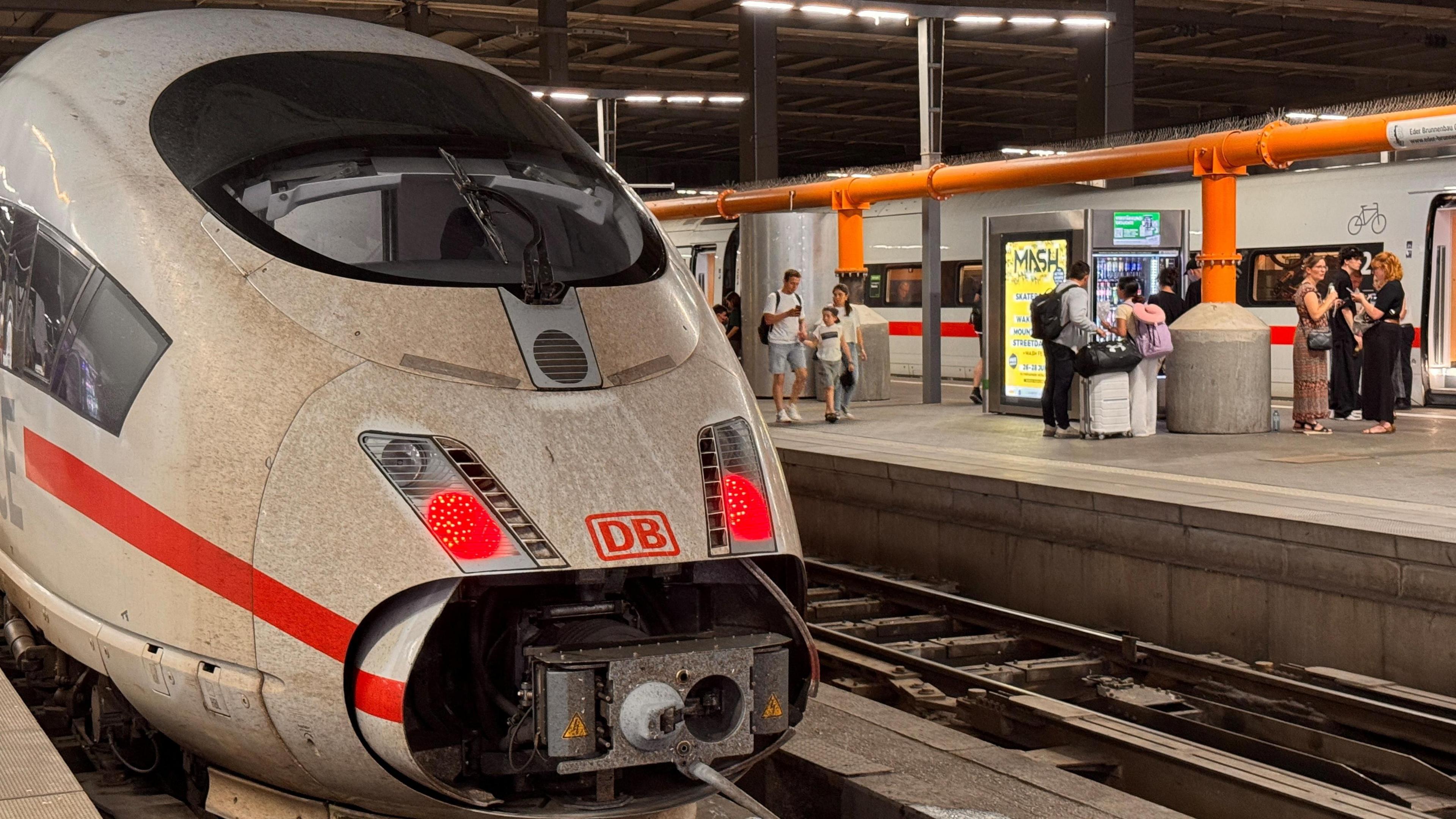
Authorities have taken measures: the Île‑de‑France region urged staff to work from home to protect rail tracks that cannot withstand more than 50 °C. The Eiffel Tower closed early to visitors, and the Louvre shortened opening hours. In Belgium, the Risk Management Group activated an ozone‑heat plan for the second time in nine years, focusing on elderly and children. Weather services across the Netherlands and Spain anticipate temperatures falling later in the week but warn of a high chance of dangerous conditions.
Climate experts point to the rapid increase of Europe’s temperatures, which rise twice as fast as the global average, fueling longer, more intense heatwaves. The broader impact includes pressure on water supplies, increased wildfires—where Spain has seen a record‑burning year—and greater health risks across the continent.