The Strait Stall: Trump’s Dilemma in the Iran Conflict
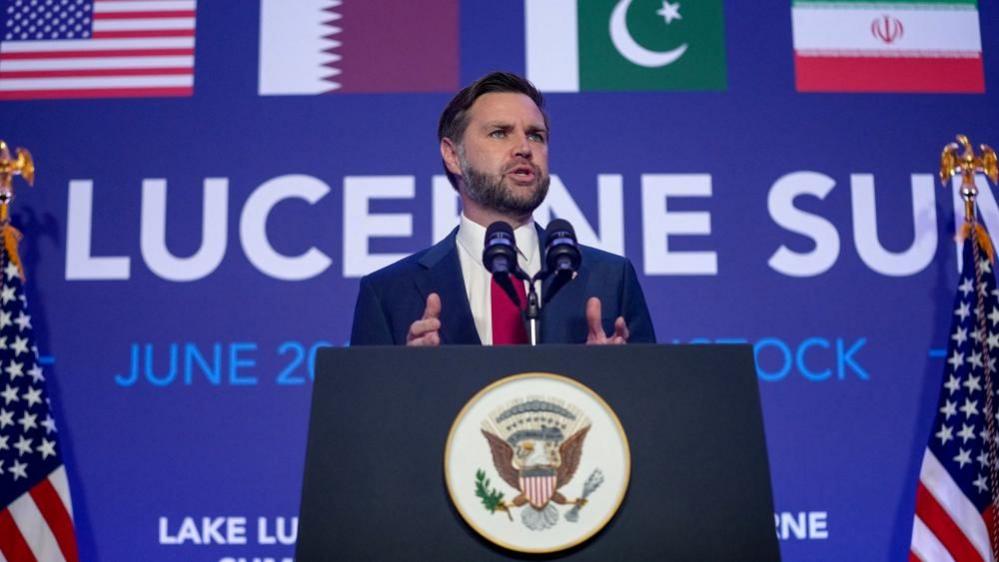
Since the cease‑fire was announced on 8 April, the United States and Iran have both expressed a desire to avoid a wide‑scale war, yet the two sides continue to engage in a low‑intensity military back‑and‑forth. This liminal calm is maintained by third‑party mediators, notably Pakistan and Qatar, who are attempting to keep the lines of communication open.
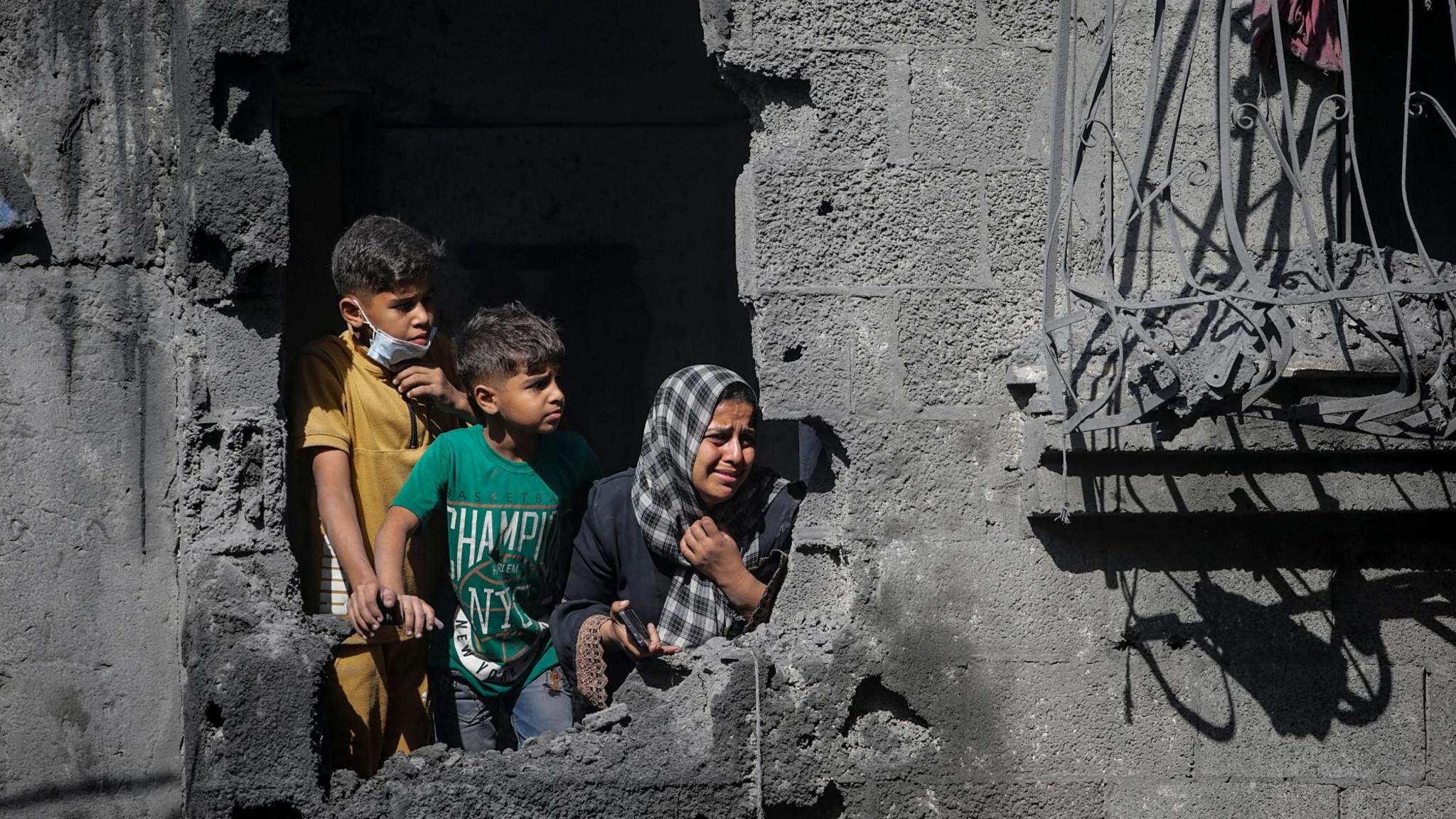
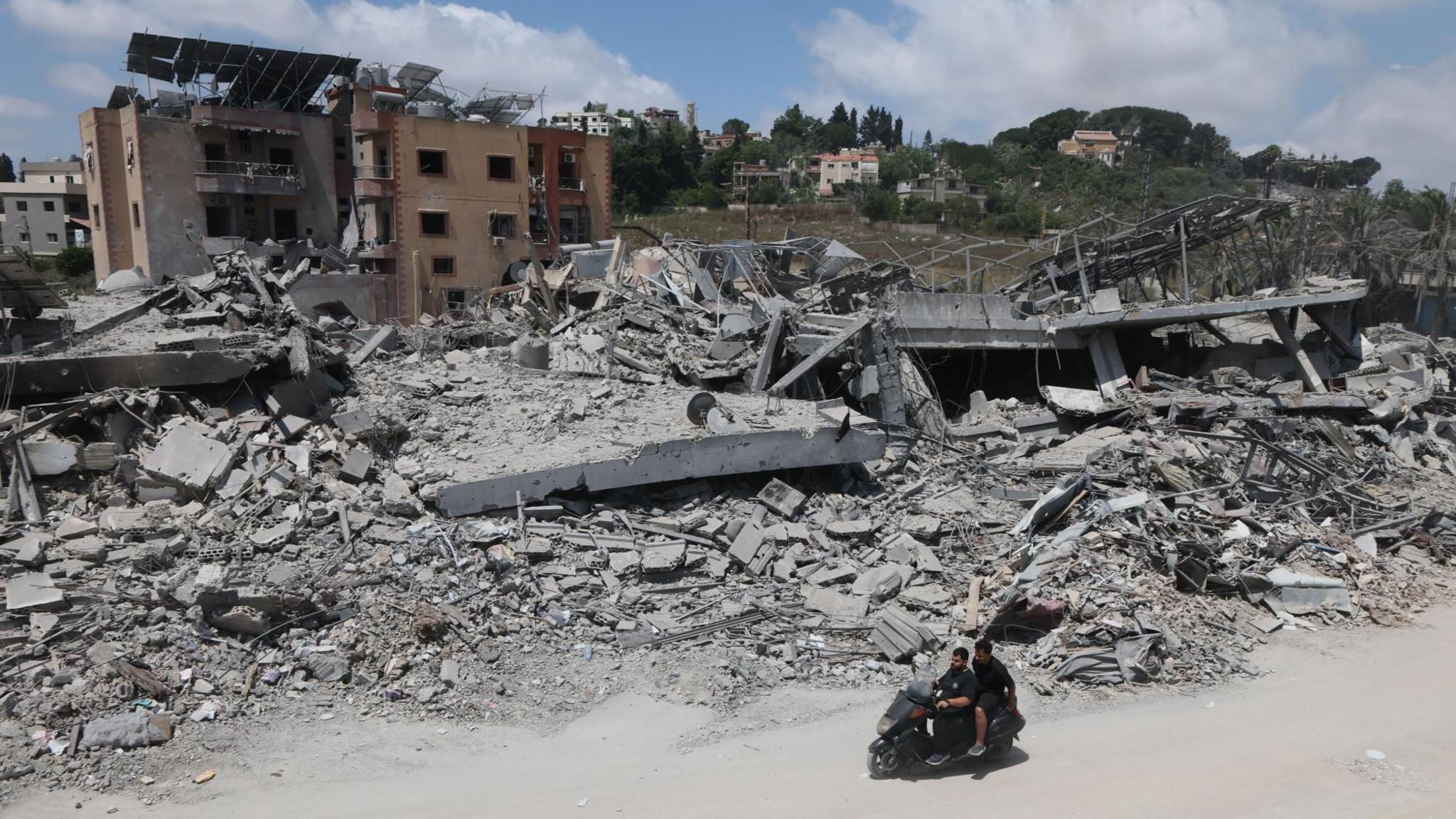
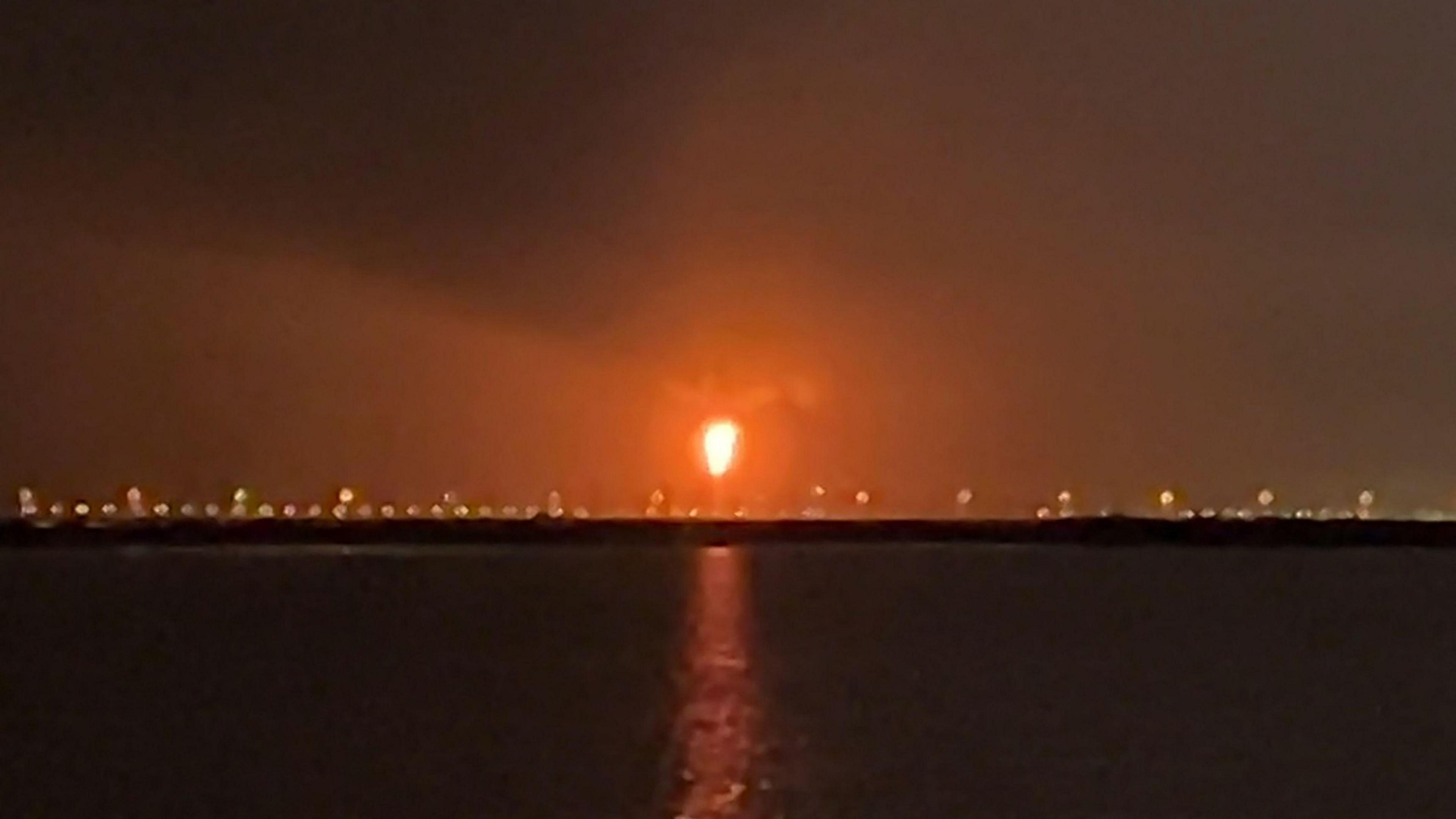
While Washington’s naval and air commanders have stations in close proximity to Iran—ready to strike within minutes—there is a real recognition that a sudden escalation could spiral into catastrophe for all parties involved. The Iranian regime, meanwhile, continues to keep its forces on high alert over the cease‑fire period, using the lull to repair damage inflicted by US and Israeli strikes and to consolidate the regime’s security apparatus.
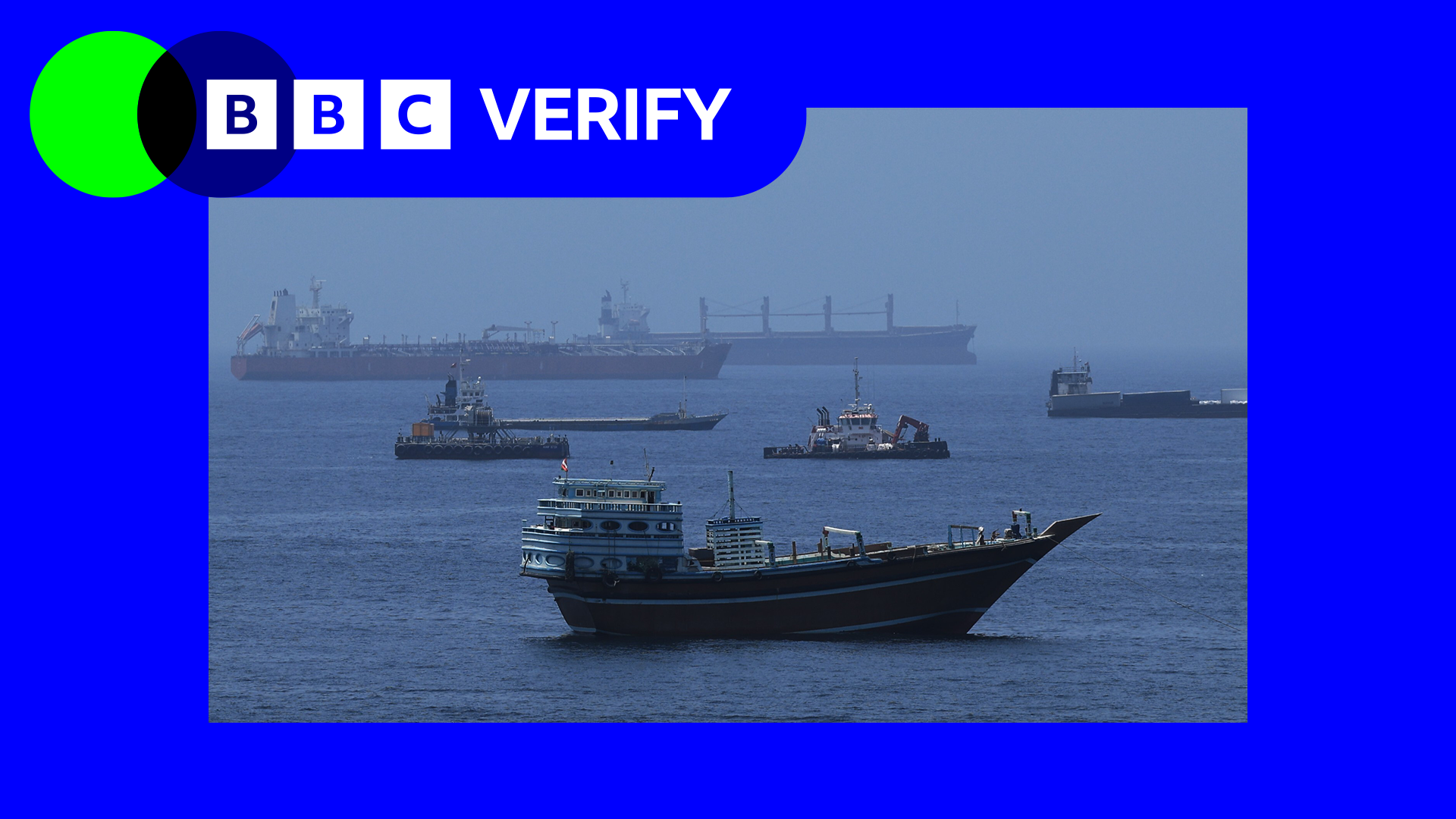
A key deliverable for the next phase of the negotiations is a reopening of the Strait of Hormuz, a critical maritime chokepoint for the world's oil supply. Iran, which closed the Strait after the US‑Israel attacks on 28 February, has set a price tag that includes sanctions relief for any movement of frozen assets and the reopening of the waterway for commercial traffic. The Strait remains largely shut, with only a trickle of ships passing through, creating significant economic pressure on Gulf states that depend on uninterrupted maritime trade.
The economic fallout has been felt worldwide. While the United States has a large reserve of domestic oil production, American gasoline prices are still tied to the global oil market; the slowdown is a reality affecting consumers and the broader economy. The Gulf monarchies have long touted their wealth from a safe, constant flow of shipping and are now keen to restore their perception of stability to support foreign investment and long‑term development.
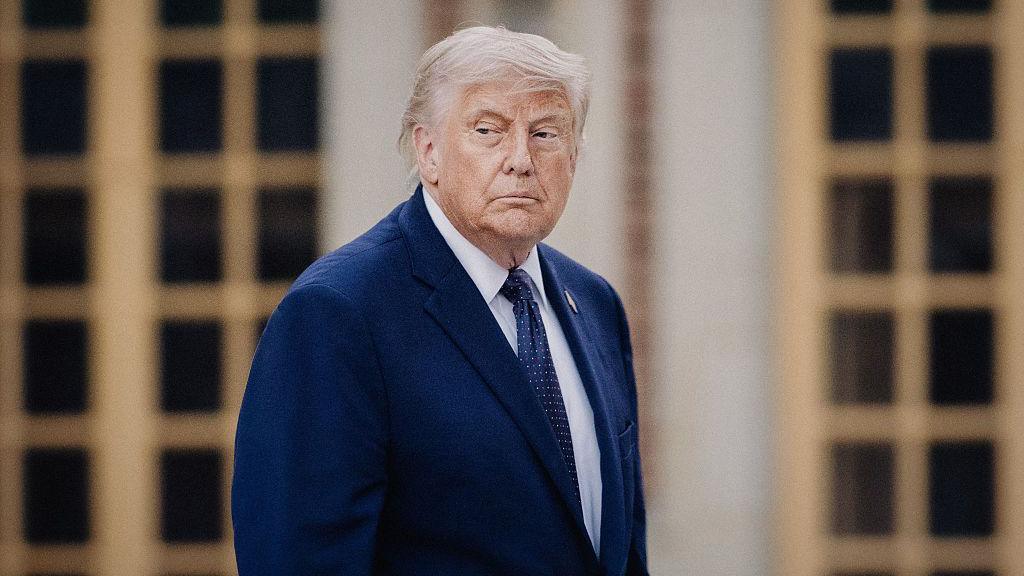
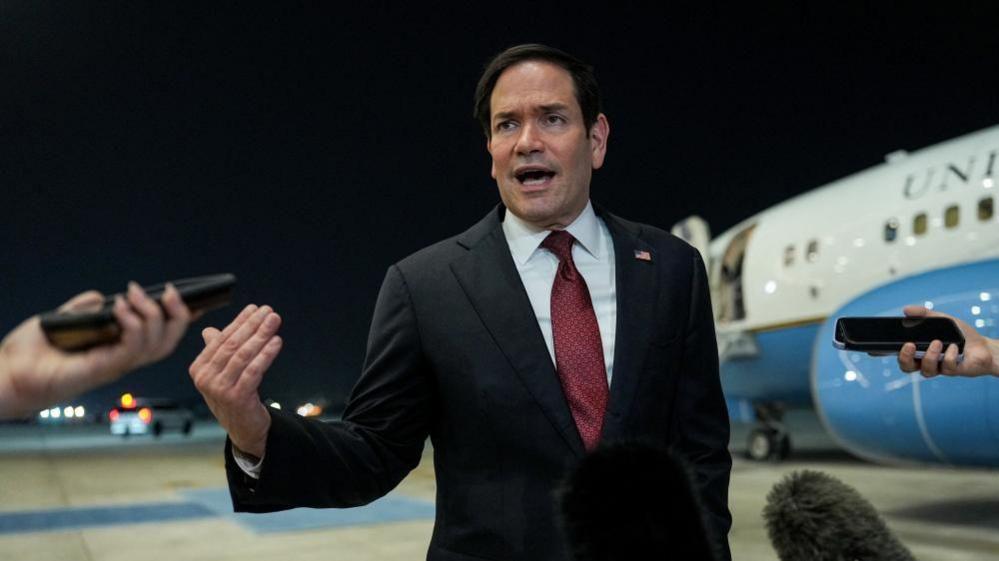
The situation has thrust President Trump into a political tightrope. His cabinet and senior members – from the Environmental Protection Agency to the State Department – are trying to secure concessions from Tehran while simultaneously presenting an image of decisiveness to the opposition hawk faction within his own party. Historian and political commentators note that Trump’s approach stumbles on the wall of his own public policy contradictions, especially given his strong criticism of the 2015 nuclear deal negotiated under former President Obama.
The stakes are high for all involved. A full‑scale conflict could threaten the United Arab Emirates and Saudi Arabia – essential allies of the US in the region – having the potential to ripple through other Gulf economies. A deliberate, diplomatic approach could prevent the escalation but would also keep Washington under scrutiny from those who demand a decisive military stance against Iran’s regime.
In short, the Tehran–Washington dialogue has become the most potent arena of 21st‑century geopolitical tension since the Cold War. The Persian Gulf’s stability, US national interest, and the future of middle‑east diplomacy hinge on the success of the cease‑fire and the possibility of a new “memorandum of understanding.”
These tensions will continue to shape the region’s political and economic landscape, demanding careful attention by leaders and diplomats worldwide.