Businesses ranging from small cafes to large corporations are being caught in the crossfire of President Trump’s ramped-up immigration enforcement campaigns. These pressures have manifestly intensified in recent weeks, with public calls for businesses to publicly oppose aggressive enforcement tactics.
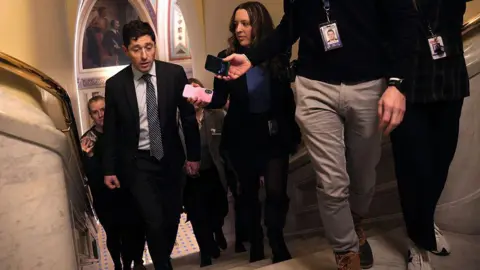
In Minneapolis, home to the Department of Homeland Security’s largest operation to date, various businesses including hotels and restaurants temporarily closed or halted reservations in response to widespread protests against immigration enforcement actions. Following the controversial shooting of a protester by U.S. Border Patrol in Minneapolis, more than 60 CEO's, including leaders from Target and Best Buy, signed a letter advocating for deescalation from authorities and collaborative solutions addressing ongoing tensions.
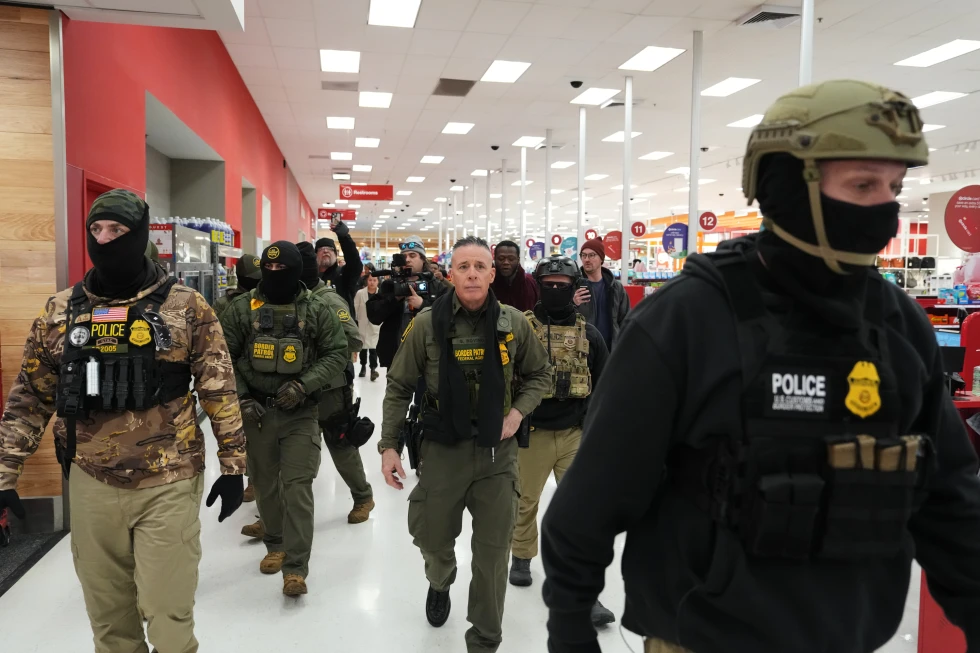
However, the letter notably refrained from explicitly naming immigration enforcement issues or addressing recent targeted arrests occurring at businesses. Videos have circulated depicting federal agents detaining employees from major retailers like Target, while nationwide ICE operations have expanded, prompting concern among communities.
Understanding ICE Operations
Immigration and Customs Enforcement (ICE) has broad authority to enter public areas of businesses without a warrant, potentially leading to questions, information seizures, and arrests within publicly accessible sections like dining areas or store aisles. Legal experts clarify that while ICE requires judicial warrants to access private areas where individuals expect privacy, a pathway exists for the agency to enter these spaces without one if an employer consents.
ICE's recent shift toward aggressive workplace audits, such as I-9 inspections, has heightened fears among employers, who report increases in the agency arriving in full tactical gear for inspections. This has sparked conversations regarding business rights and the extent of ICE’s authority to conduct operations on private property.
Public Reaction and Employee Rights
The increased visibility of federal agents due to operations at businesses has led to significant public outcry, with criticisms directed at companies for not taking stronger stances against ICE activities. Smaller business owners are increasingly vocal about how these actions impact their workers and patrons, yet some major players remain silent, despite calls from advocacy groups for them to make public statements regarding ICE’s presence.
As the climate of enforcement evolves, organizations like the Culinary Union and United Auto Workers have expressed solidarity with affected communities, arguing that these policies threaten tourism, public safety, and the larger economy. The National Immigration Law Center emphasizes the need for businesses to address the implications Immigration enforcement has on local economies and labor shortages.
The ongoing saga of immigration enforcement, protests, and business responses illustrates a significant crossroads in which the treatment of workers and community welfare hangs in the balance, as calls for justice and reform continue to grow.