Cuba tourism collapses as US pressure campaign bites
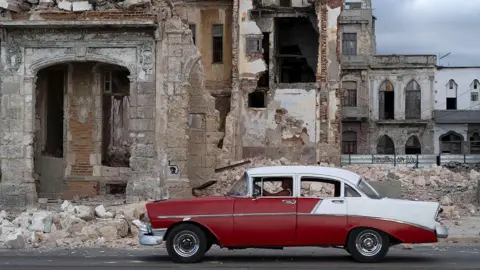
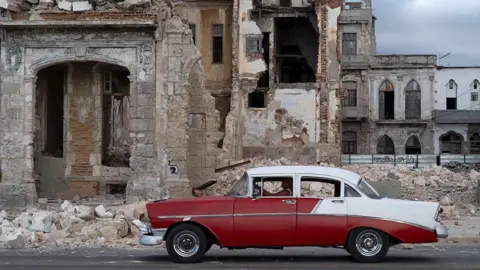
U.S. sanctions have drained Cuba’s tourism industry, a vital income stream for its government. According to the national statistics agency Onei, fewer than 360,000 people visited the island in the first five months of 2026, a 58.4% fall from the same period last year.
The campaign has targeted the sector as part of a broader pressure strategy on Cuba’s leadership. Airlines such as Air Canada have suspended flights indefinitely, citing political and economic uncertainty, while Spanish hotel chains Meliá and Iberostar halted operations before the U.S. deadline to cease business with the state‑owned conglomerate Gaesa.
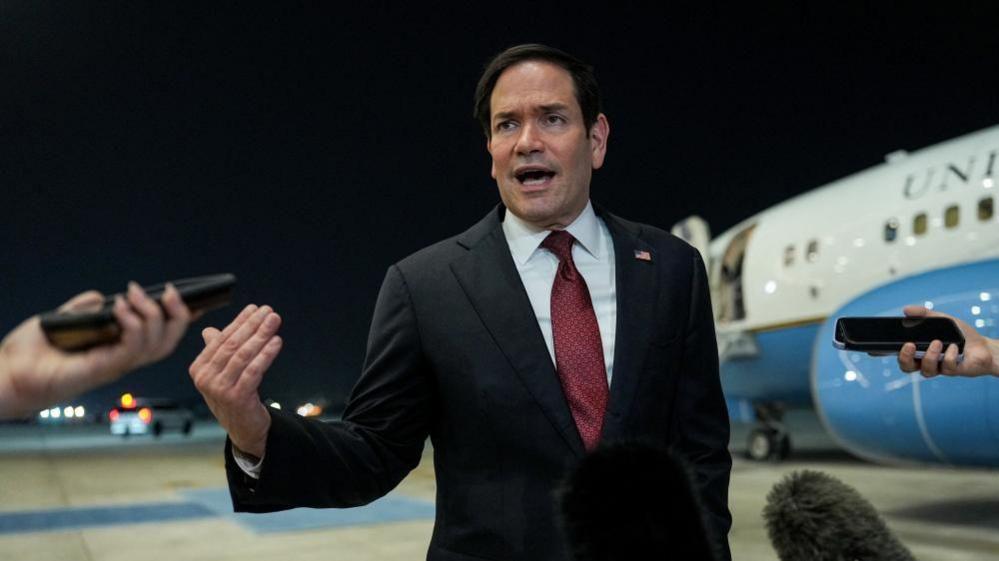
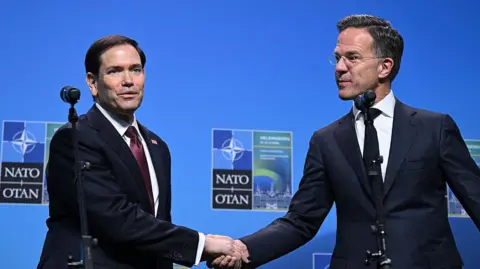
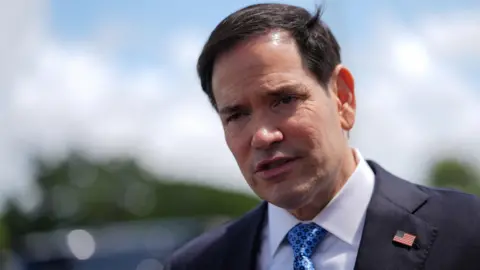
U.S. Secretary of State Marco Rubio called Gaesa a “state within a state”, accusing it of hoarding profits and repressing dissent, further isolating the island from foreign investment.
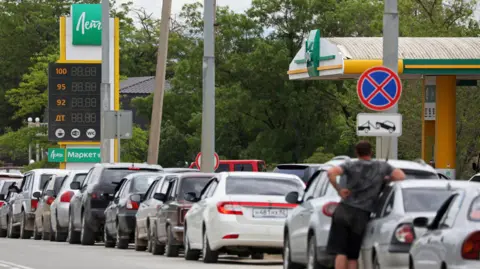
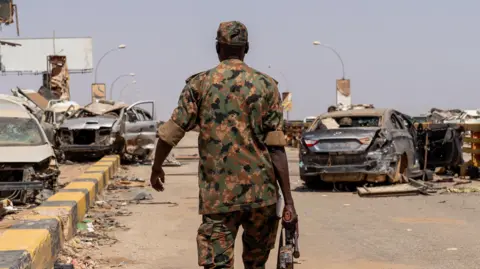
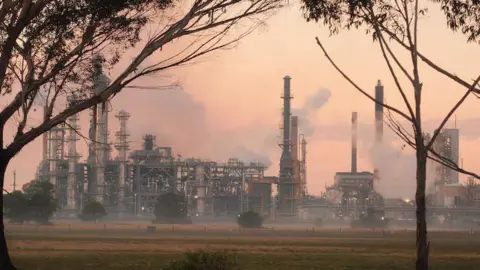
The sanctions and an effective oil blockade have deepened shortages of fuel, medicine and food. The country’s children with cancer have seen survival rates plummet from 85% to 65% since January. Fuel shortages have also paralysed waste collection, leaving piles of garbage in city streets and triggering power cuts that have spurred rare public protests.
Even religious practices are affected; monks in Havana have been asked to ration communion wafers because electricity is limited to only a few hours each day, slowing the production of the unleavened bread used in Mass.