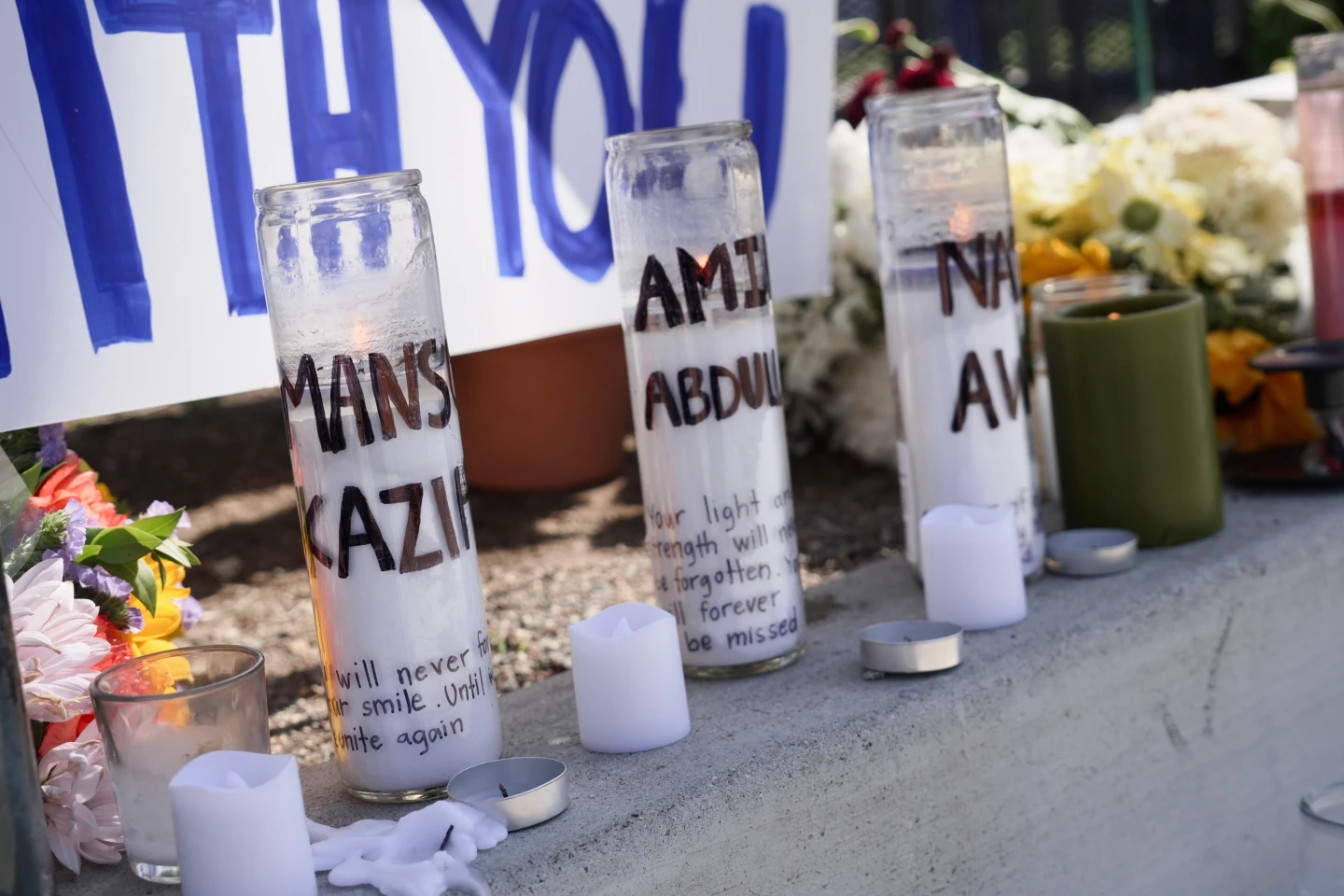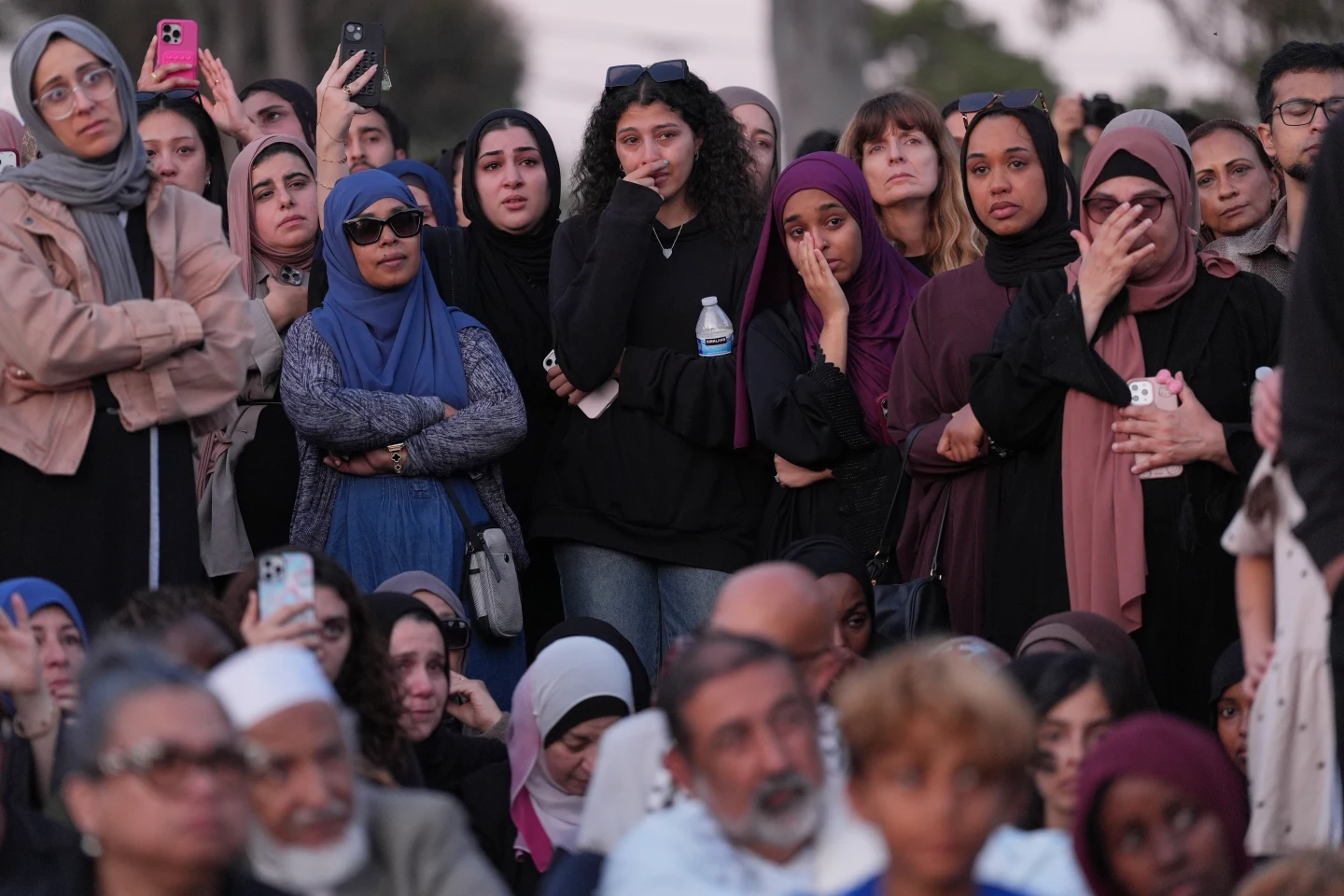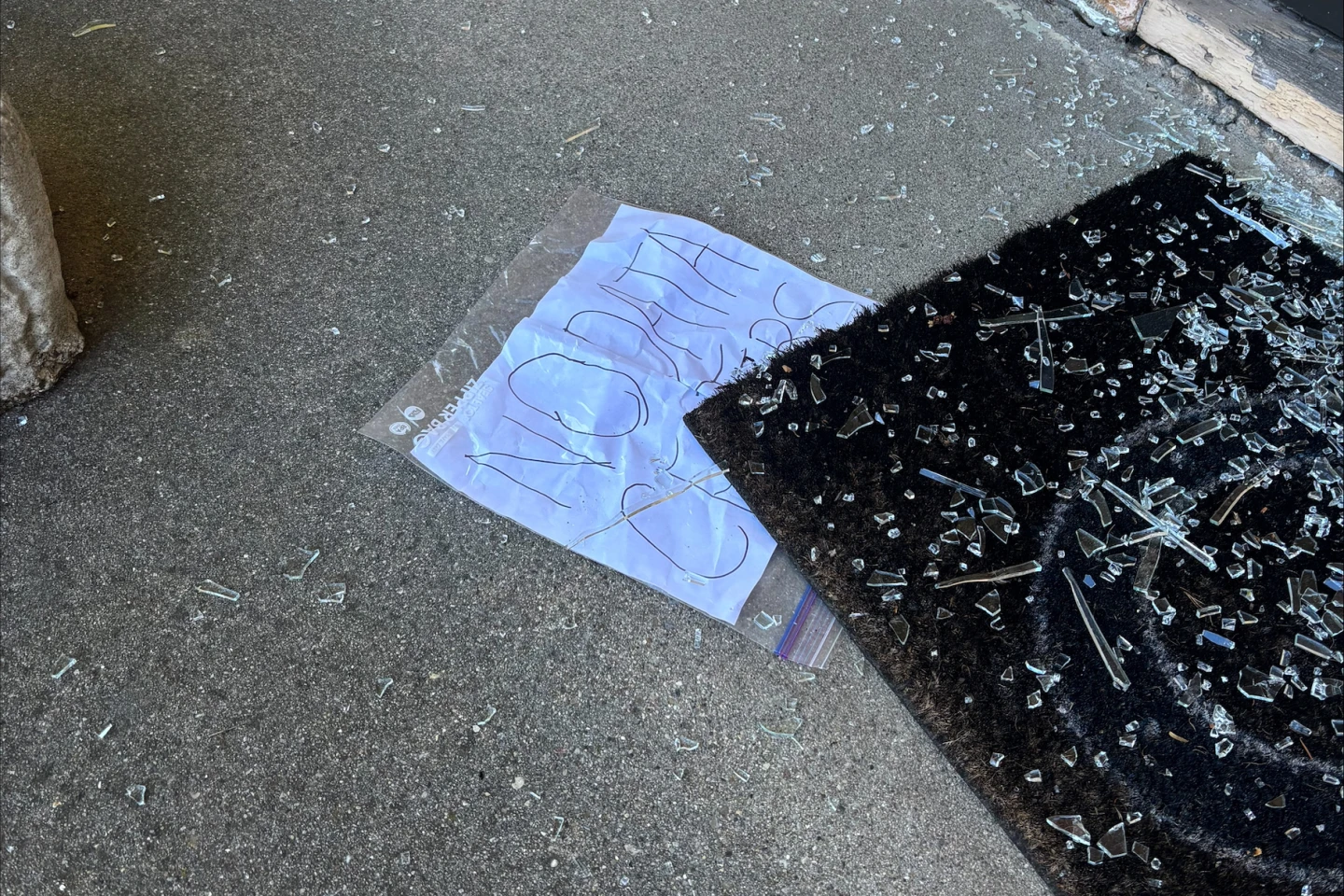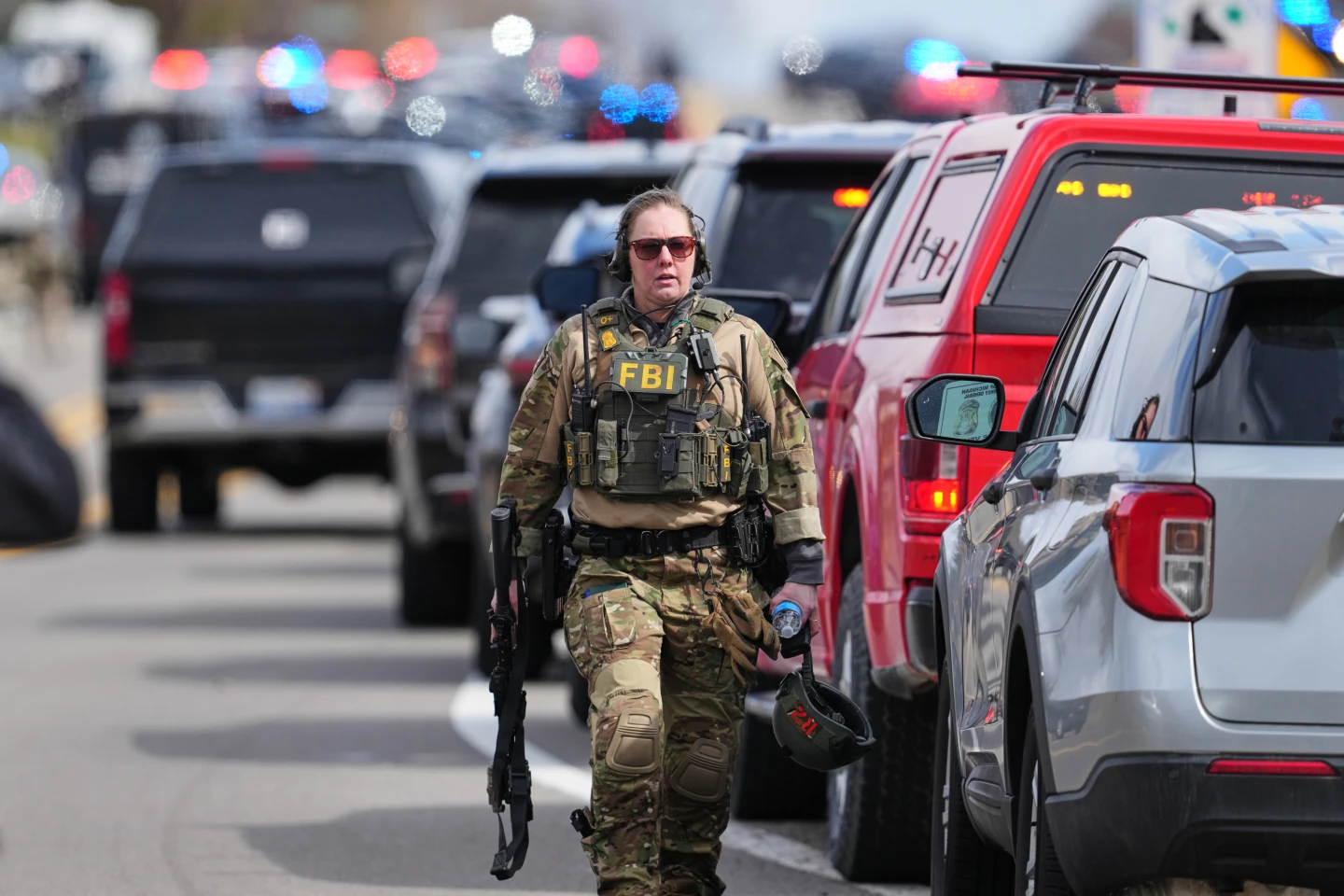
Law enforcement officials have announced measures to enhance the security of Jewish and Muslim communities across the U.S. due to a rise in hate crimes and threats following the intensification of conflicts in the Middle East. These actions were intensified after an incident on March 12, where a driver crashed through the doors of Temple Israel, a major synagogue in Michigan.
Michael Masters, director of the Secure Community Network, emphasized during a national security briefing that the priority is to ensure that communities do not succumb to fear. We know a goal of our enemies is to scare us into submission so that we make a decision to not show up, Masters stated.
The briefing highlighted rising incidents of antisemitism, including reports from California and Toronto, and ongoing investigations into car burnings in European cities attributed to antisemitic motivations.
Gary Torgow, chair of the Jewish Federations of North America, remarked on the increasing tempo of hate, noting that the Temple Israel incident reflects a growing climate of violence fueled by unchecked misinformation on social media. Together with FBI officials, Torgow called for urgent action to address these threats comprehensively.
Federal monitoring efforts are focusing on potential attacks around significant upcoming events, including the 2026 FIFA World Cup. Matthew Kozma from the Department of Homeland Security expressed the need for alertness against radicalized individuals targeting places of worship.
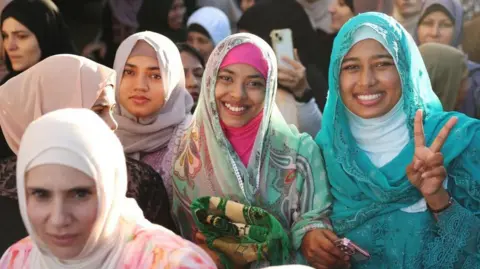
The Southern Poverty Law Center reported a troubling rise in both antisemitic and Islamophobic rhetoric, attributing it to heightened global tensions and divisive politics, which have allowed fringe conspiracy theories to permeate mainstream conversations.
In response to these challenges, community leaders have underscored the importance of solidarity and proactive measures to create safer environments for all faiths. The vibrancy of Jewish life in North America, Jewish life everywhere, only happens with our own efforts, declared Wendy Berger, chair of the Secure Community Network.
As the climate of intolerance rises, leaders across faith communities are called upon to unite in their efforts to promote peace and security without compromising their right to worship freely.