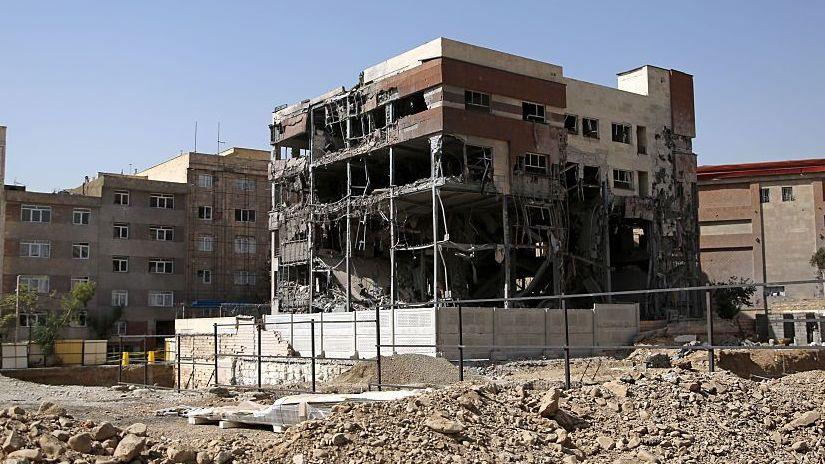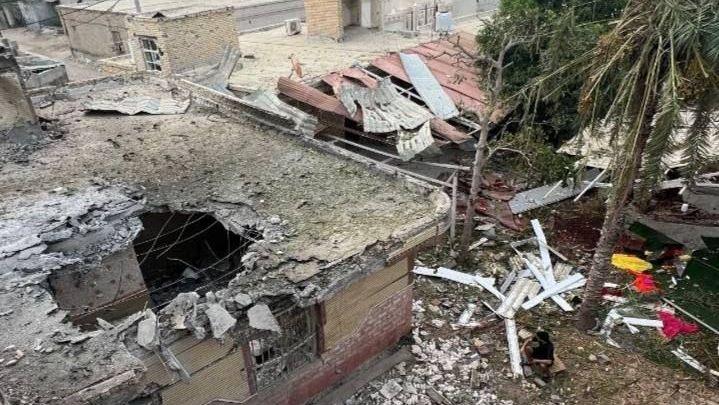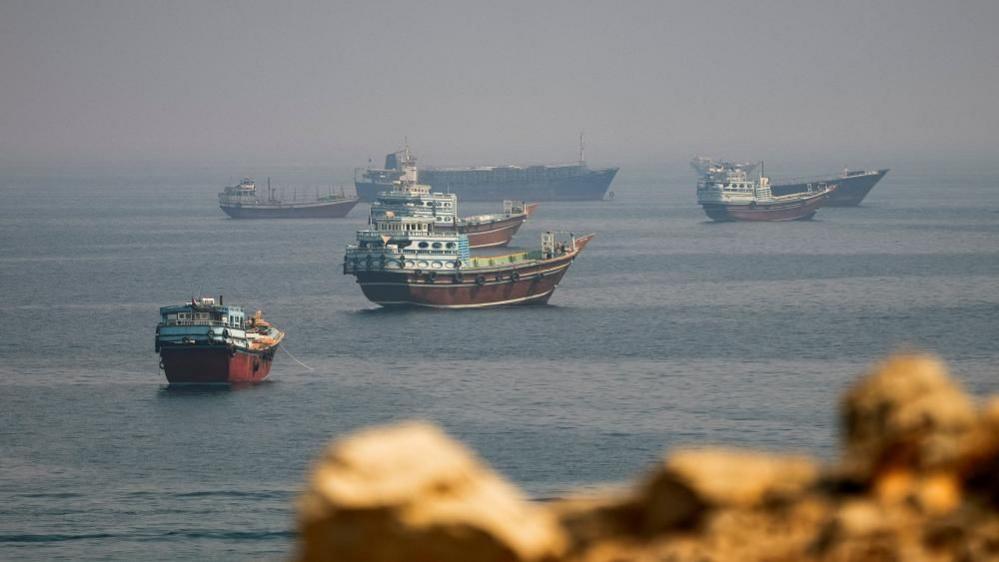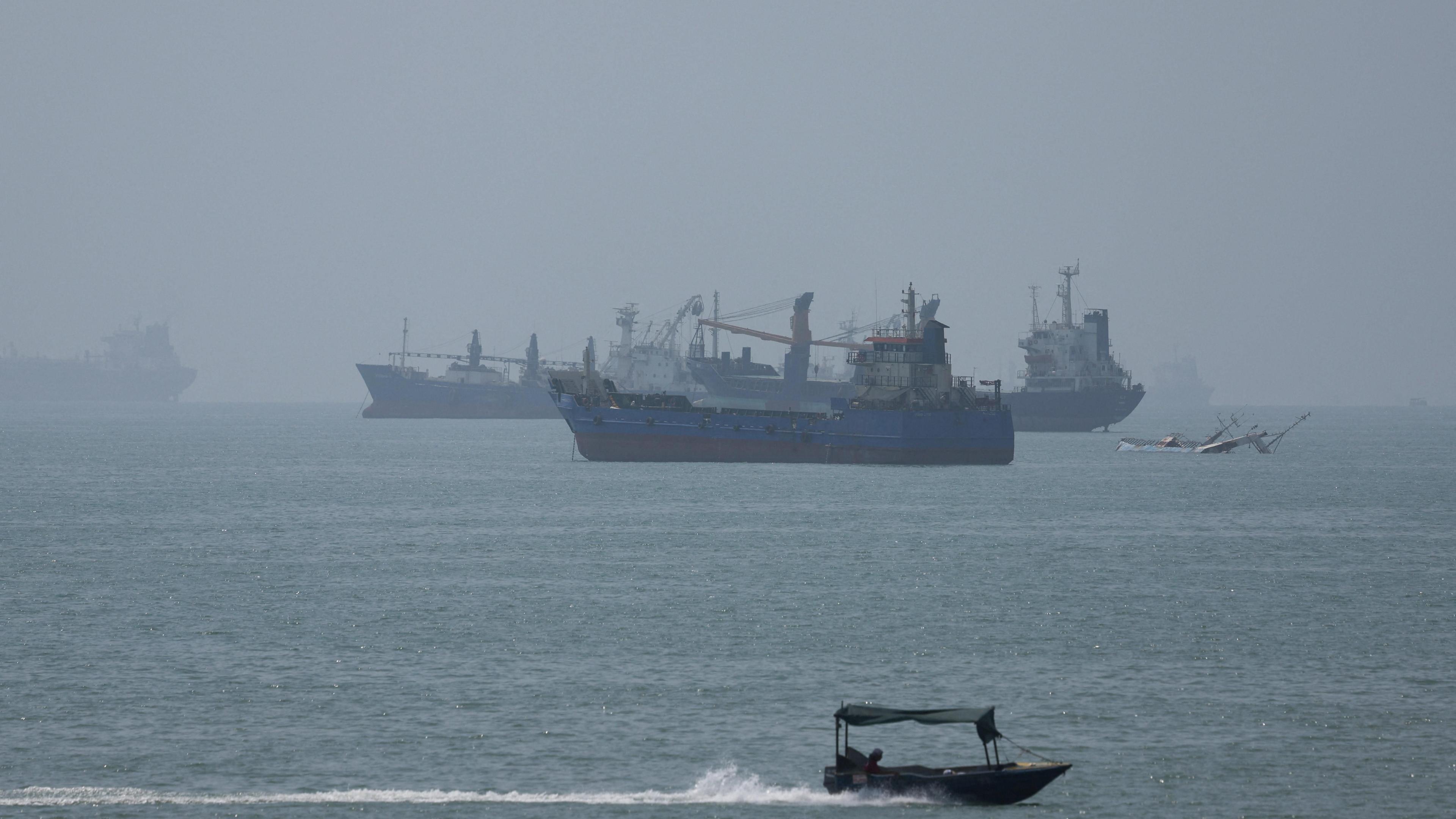
In a move that could further flare Middle‑East tensions, U.S. Central Command confirmed that American forces struck two Iranian launchers on Larak Island on Sunday, the first known U.S. strike on Iran since the end of July.
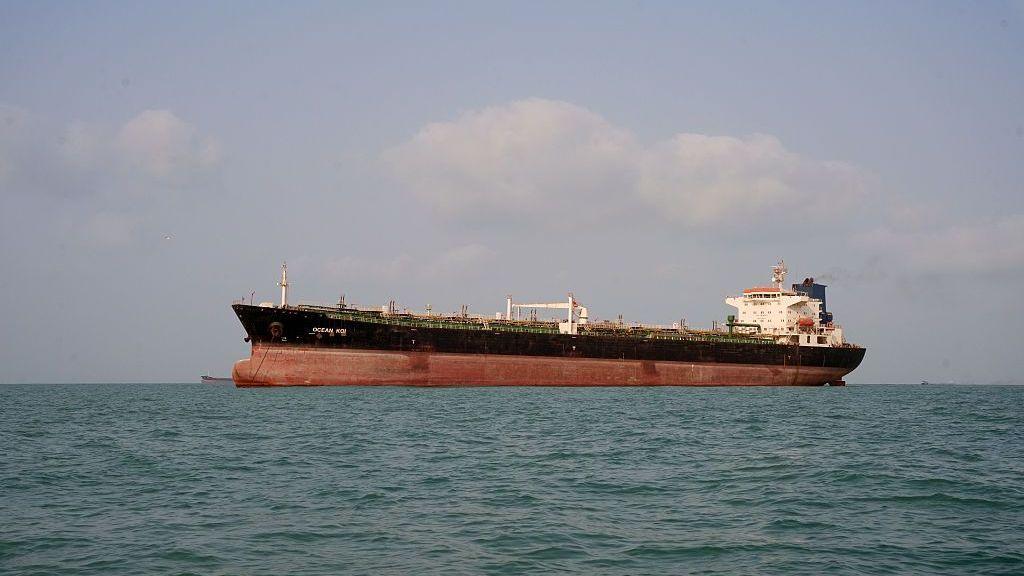
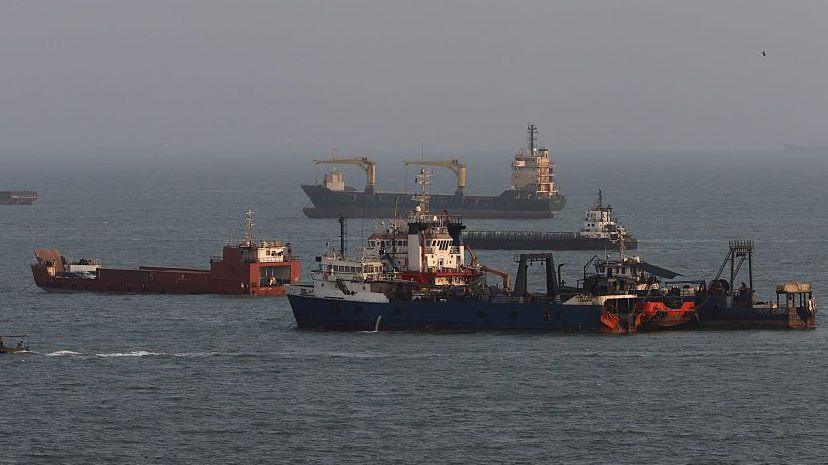
The launcher positions are located just outside Bandar Abbas on the Strait of Hormuz, a critical chokepoint for global oil traffic. U.S. officials said the vessels “were observed preparing to launch rockets with sea mines” and the attack was timed to interrupt that activity.
Iran’s Islamic Revolutionary Guard Corps (IRGC) has issued a statement claiming the strike caused several casualties and vowed “response and punishment.” IRGC spokesman Hossein Mohebbi described it as a “strategic and fatal mistake” by the Trump administration and warned of economic and military repercussions.
The U.S. has previously removed all mines from the main shipping lane in the Strait and hinted that any new mine‑deployment would be met with force. Iran has called this a propaganda ploy, while also prohibiting tankers from passing near Larak unless they pay a fee that can run up to US$2 million.
Washington’s actions are part of a broader effort to keep the Strait open after the 2024 U.S. and Israeli strikes on Iranian targets and ongoing sanctions targeting Tehran’s allies. The conflict has already stretched to over six months of heightened maritime security risks.
With only about 20% of the world’s oil and liquefied natural gas passing through the Strait of Hormuz before last year’s conflict, the international community watches closely how these escalations will affect global energy markets.