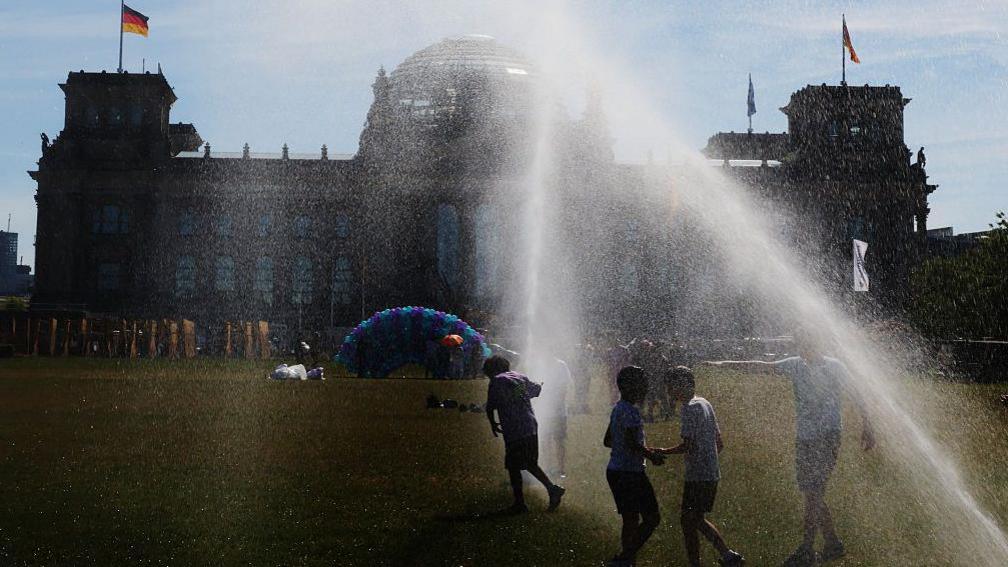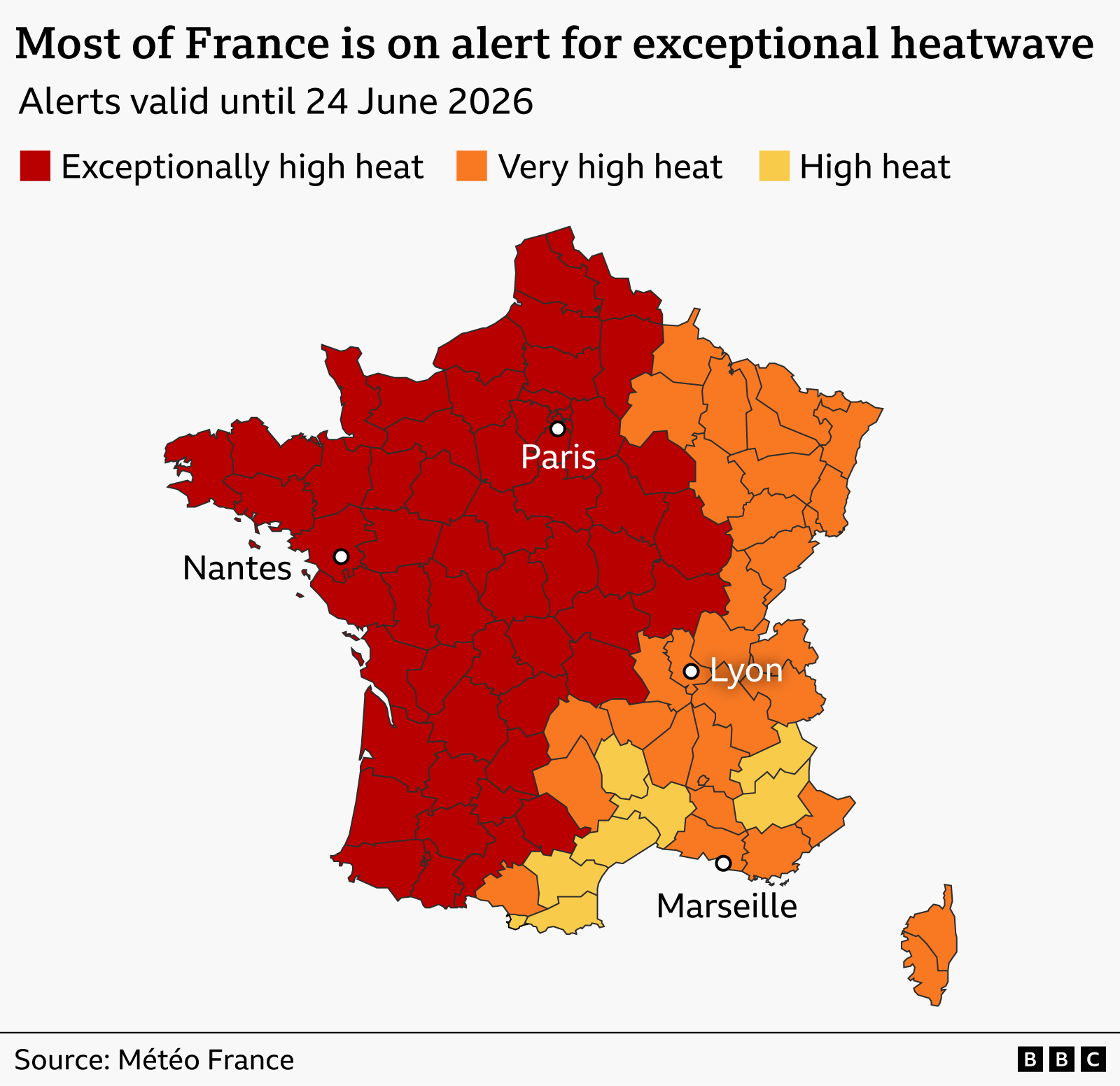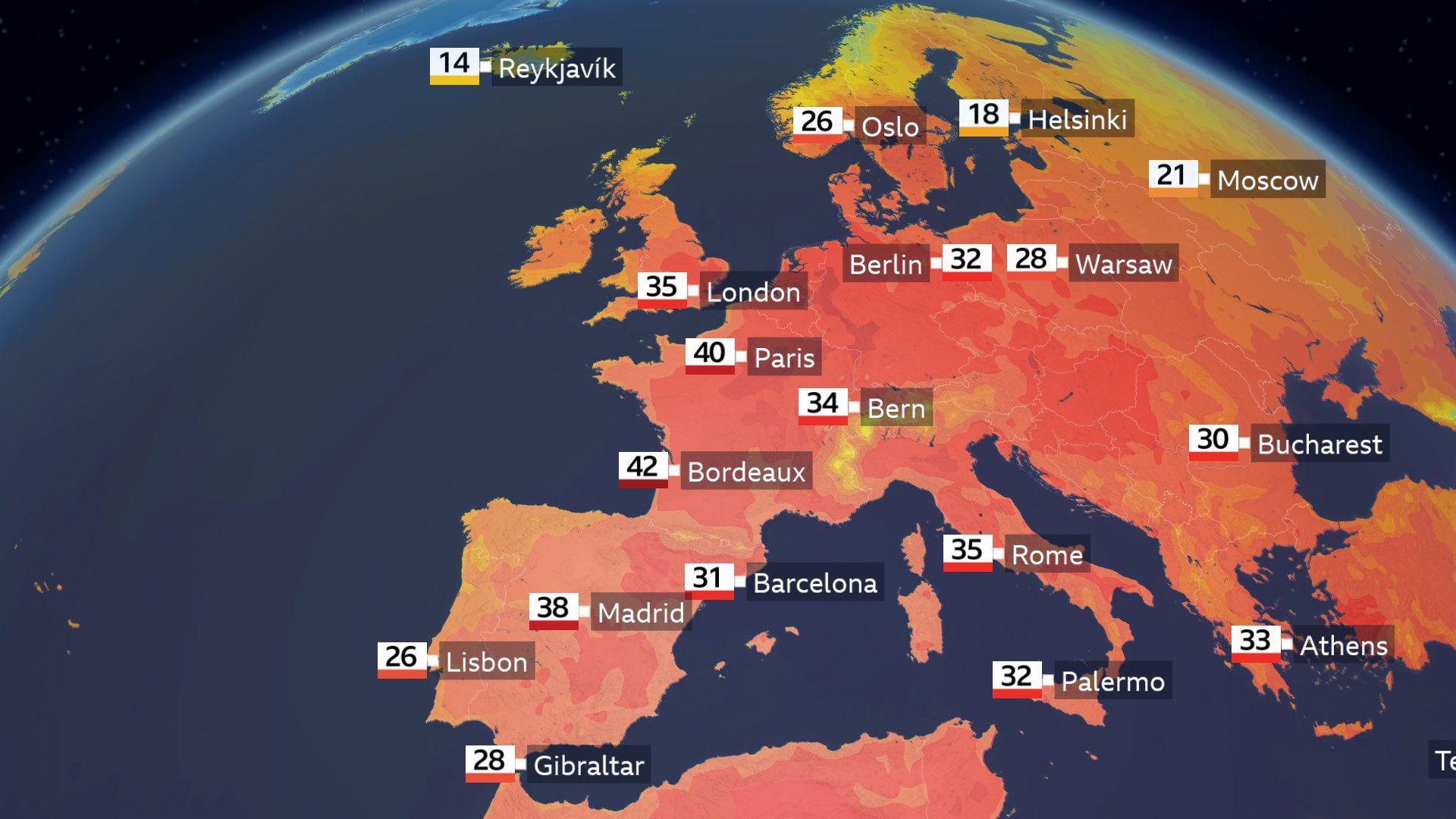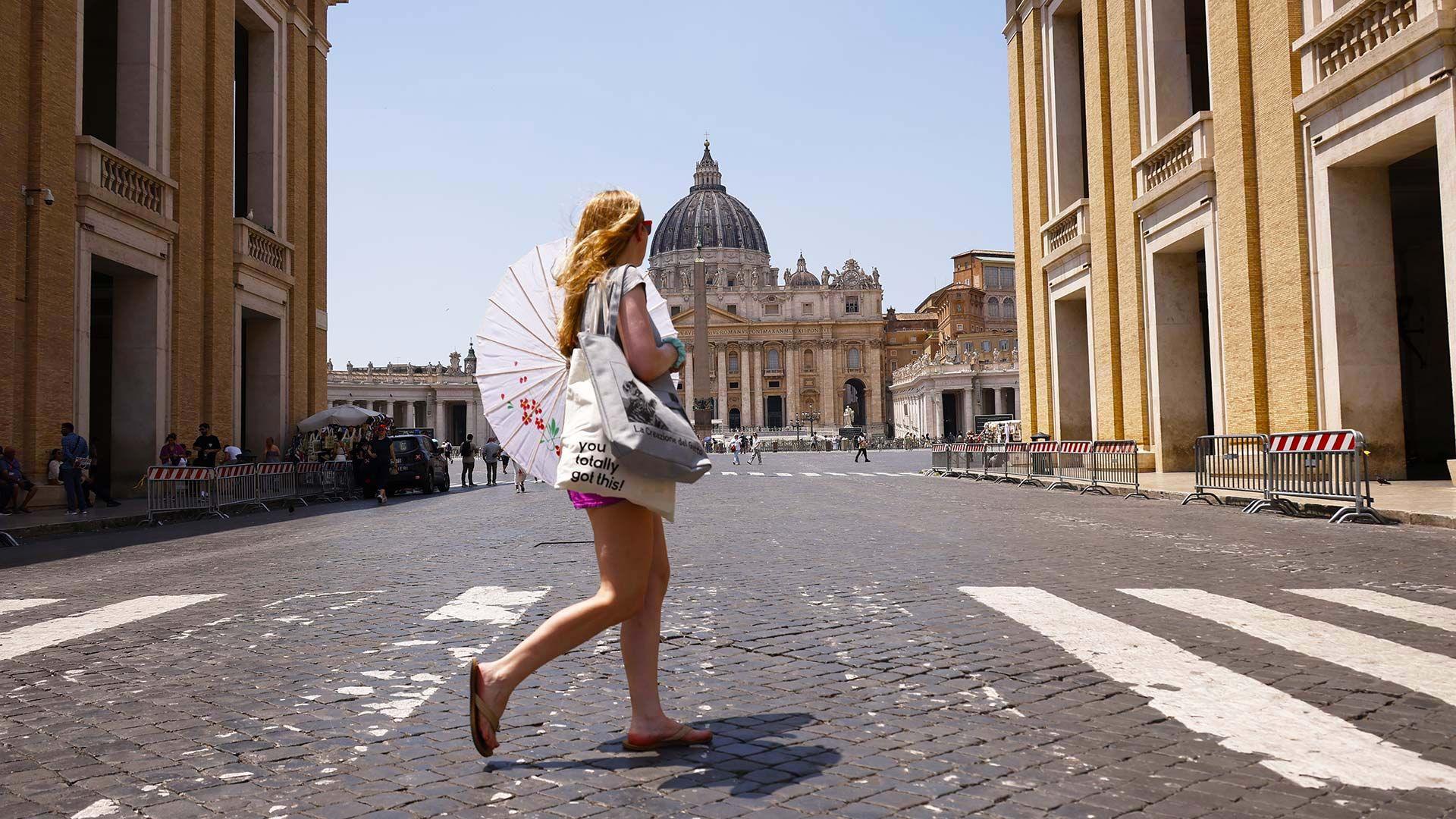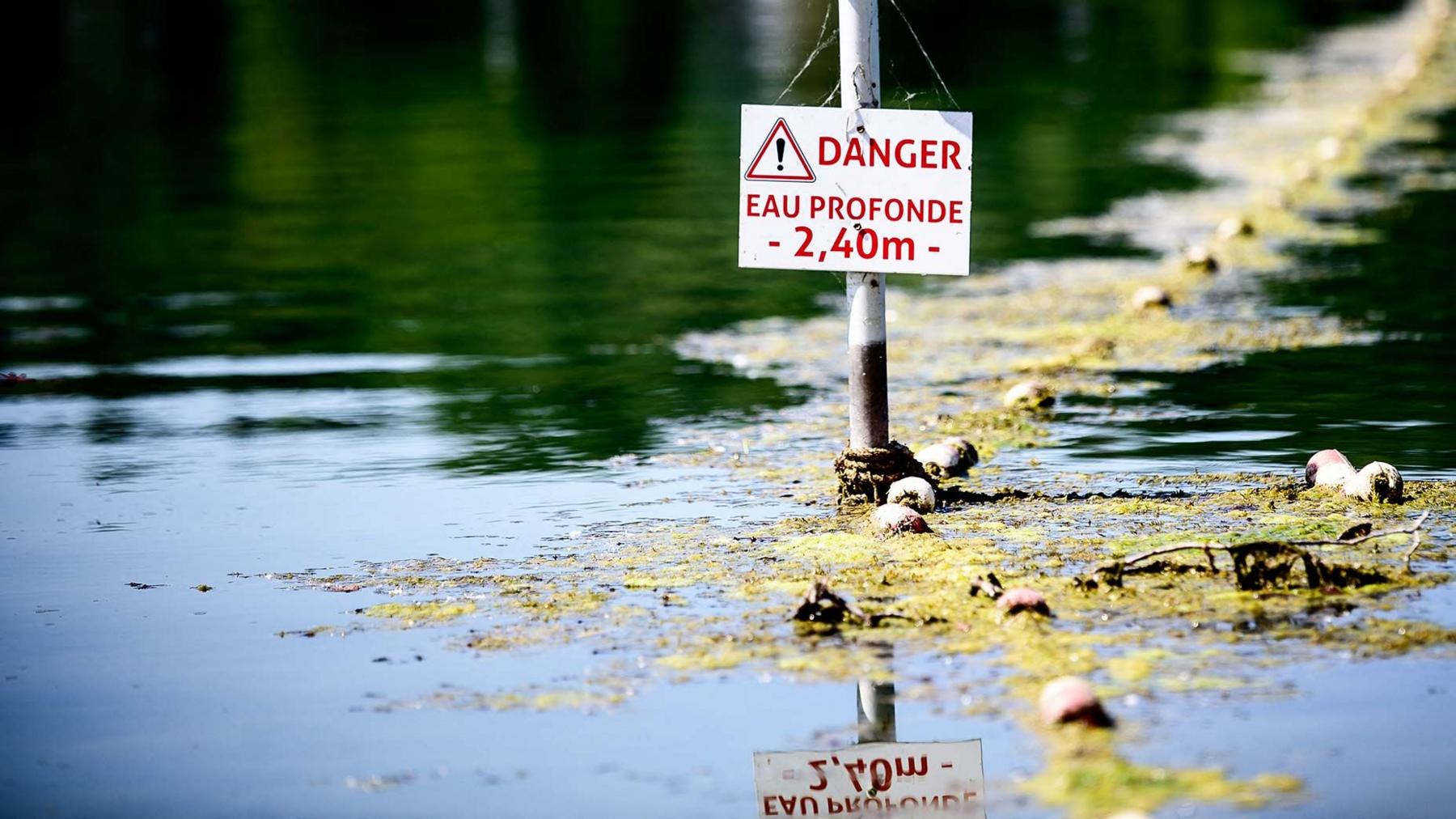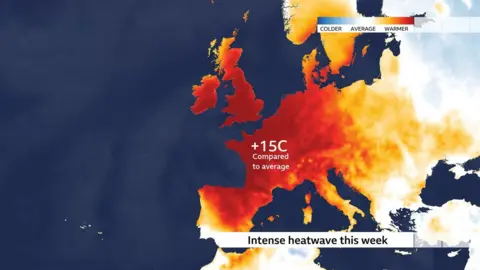
On a scorching June day, France recorded its hottest temperature ever, igniting a debate that rivals the nation’s most heated political discussions.
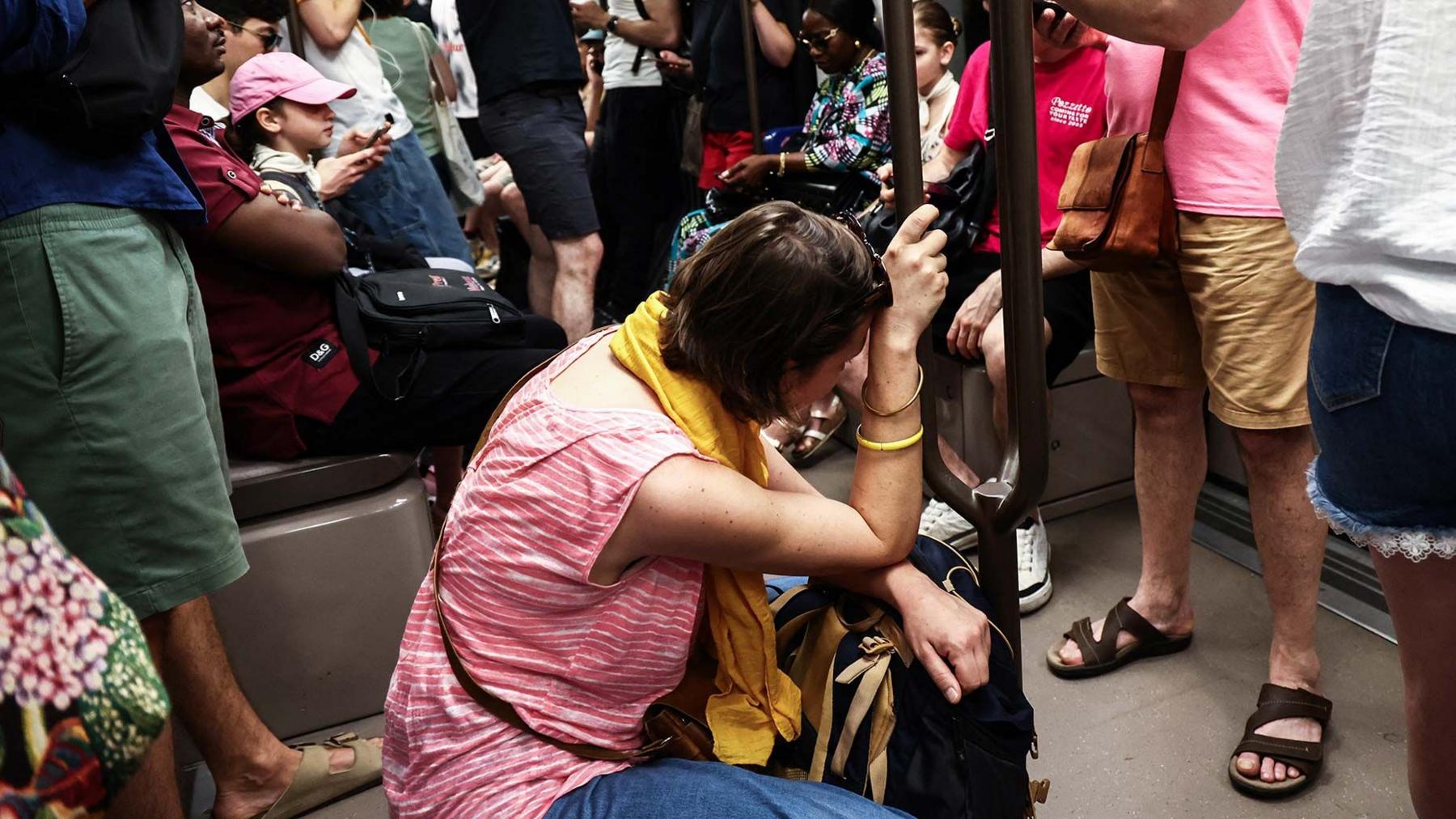
Only about 25‑per‑cent of French homes have an air‑conditioning unit, while neighbouring Spain and Italy registered 50‑per‑cent and the United States and Japan boast 90‑per‑cent coverage. The sudden record temperature – reaching almost 40 °C – leaves many students, nurses and seniors exposed to dangerous heat, and thousands of schools have had to shut down for safety.
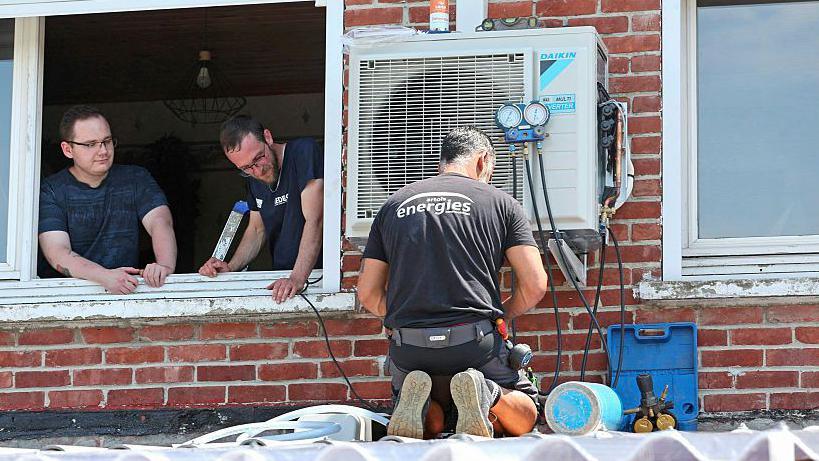
The heatwave has forced politicians to confront a decision: will France subsidise large‑scale AC installation? Marine Le Pen of the National Rally calls for a “plan clim” that would provide interest‑free loans and guarantee air conditioning in schools and hospitals, a proposal that would cost an estimated €20 billion over a decade.
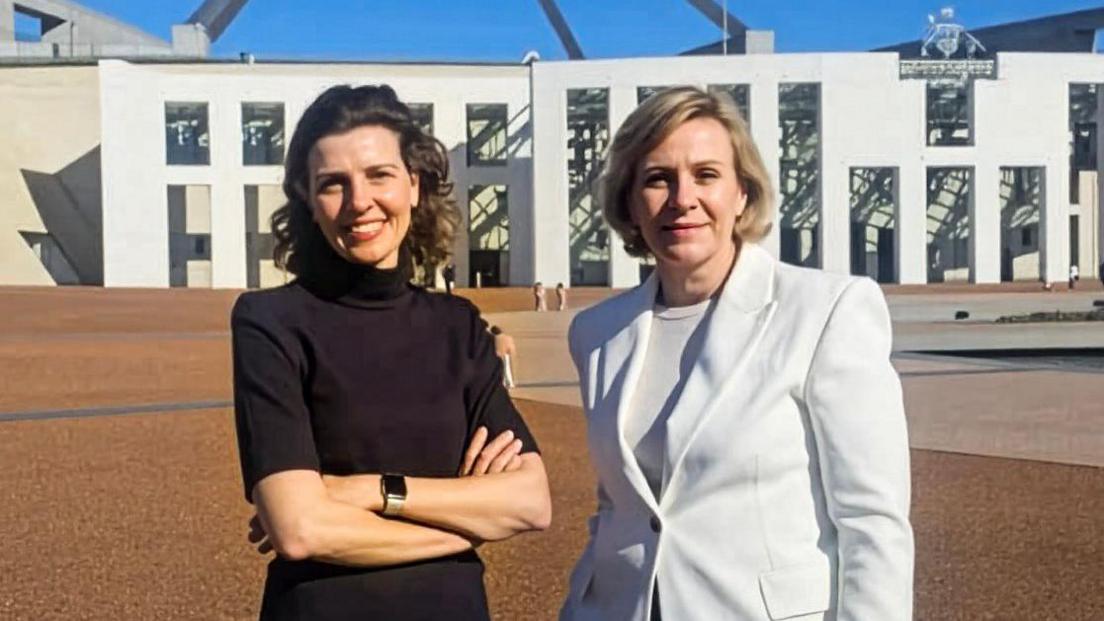
The green party’s Marie Tondelier broke convention by acknowledging that cooling systems will become necessary. “Some places cannot help but use air‑conditioning now,” she said. This admission marks a shift from outright disdain for AC owing to its emissions and “urban heat” effect to a pragmatic, climate‑adjusted stance.
Environmentalists raise legitimate concerns: electricity consumption in France is largely nuclear, which helps offset greenhouse gases, but AC’s refrigerants can leak harmful CFCs, and the evaporation of cool air often intensifies the “urban heat island” phenomenon. Nevertheless, studies suggest that hospitals and schools need reliable temperature control for patient safety and academic continuity.
Government policy currently emphasizes insulation, green roofs and passive ventilation to minimise reliance on air conditioning. Yet the pressing reality – over 20 °C temperatures, staff shortages in care facilities and vulnerable communities – forces the state to adjust its approach. Under President Pécresse’s plan, all public transport vehicles could be equipped by 2032, and private subsidies a chance to bring air conditioning within reach of every household. The debate has become a microcosm of France’s shift to a climate‑conscious future: balancing short‑term human comfort and long‑term environmental stewardship.