For the first time since the 1973 War Powers Resolution, the United States Senate and House jointly passed a resolution directing President Donald Trump to halt U.S. military action in Iran or seek congressional approval. The measure was approved by a 50‑48 vote in the Senate and had already come through the House earlier this month.
While the resolution carries no legal weight and will not be sent to the president for his consideration, it represents a strong symbolic statement of congressional discomfort with the conflict that has lasted nearly five months and cost millions in fuel prices.
The only Republicans not voting for the measure were Senate Majority Leader Mitch McConnell and Senator Dave McCormick, who were absent. Four Republican senators—Rand Paul, Lisa Murkowski, Susan Collins and Bill Cassidy—joined Democrats in the 50‑48 vote. The House, where the resolution passed 215‑208, mirrored this split.
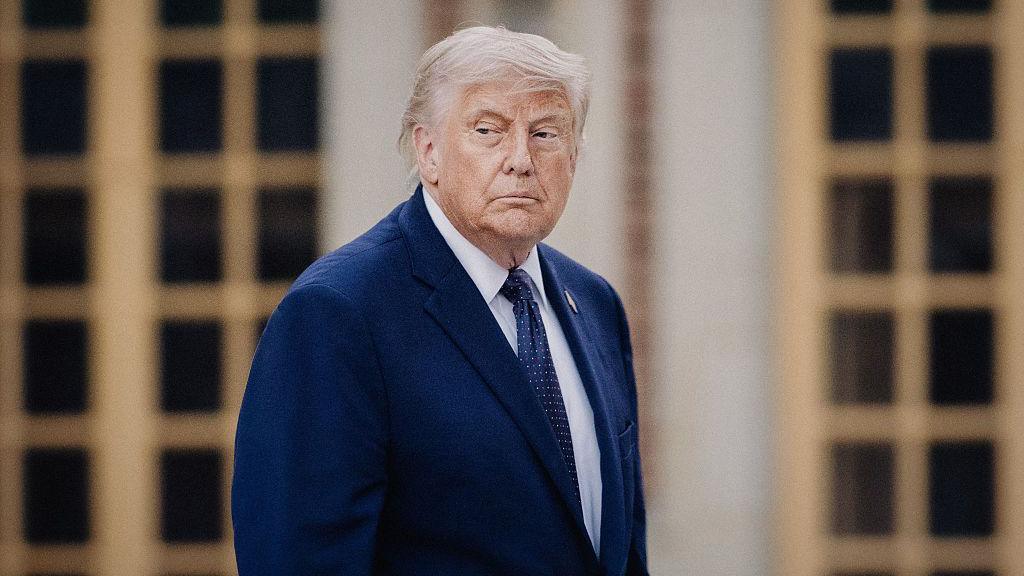
Donald Trump reacted on Truth Social, calling the vote “poorly timed and meaningless” and vowing that “I will get it done, one way or the other.” The president’s remarks contrast sharply with the mood in Washington, where lawmakers see the resolution as a reflection of the public’s aversion to prolonged conflict.
Because the U.S.–Iran ceasefire agreement reached on 7 April resets the 60‑day counter required by federal law, Congress feels less pressure to act quickly. Nevertheless, the measure adds to a growing list of GOP critiques of Trump’s foreign‑policy priorities as the mid‑term elections approach.
Per the law, the White House can extend the 60‑day deadline by an additional 30 days citing national security. However, with no active hostilities now, the Senate sees little justification for continuing the war without congressional oversight. The concurrent resolution, therefore, lays bare a divide within the GOP and signals that the American public increasingly views the Iran engagement as costly and unnecessary.
For further reading, see the House’s version of the vote here and the ceasefire memorandum signed by Washington and Tehran here.