In brief
As Nowruz, the Persian New Year, approaches, Iranian Americans confront a starkly different celebration this year following a violent crackdown on protests in Iran. Many have canceled traditional festivities, instead opting for somber gatherings to honor the victims of political repression. Community members reflect on the necessity of preserving their cultural traditions even amid ongoing turmoil in Iran.
LOS ANGELES (AP) — Following the tragic deaths of thousands of protestors in January, Shima Razavi Gacek felt the need to change how she honors Nowruz, the Persian New Year. The Los Angeles resident, who has lived in the U.S. since childhood, chose to organize a vigil at her local park instead of her usual celebratory house party. Here, she displayed photos of those lost and led attendees in a fire-jumping tradition known as Chaharshanbe Suri.
“It is such a beautiful and joyous time of year,” Razavi Gacek expressed, acknowledging the contrasting reality of this year's celebration. “This year, it’s not, but we need our community more than ever.”
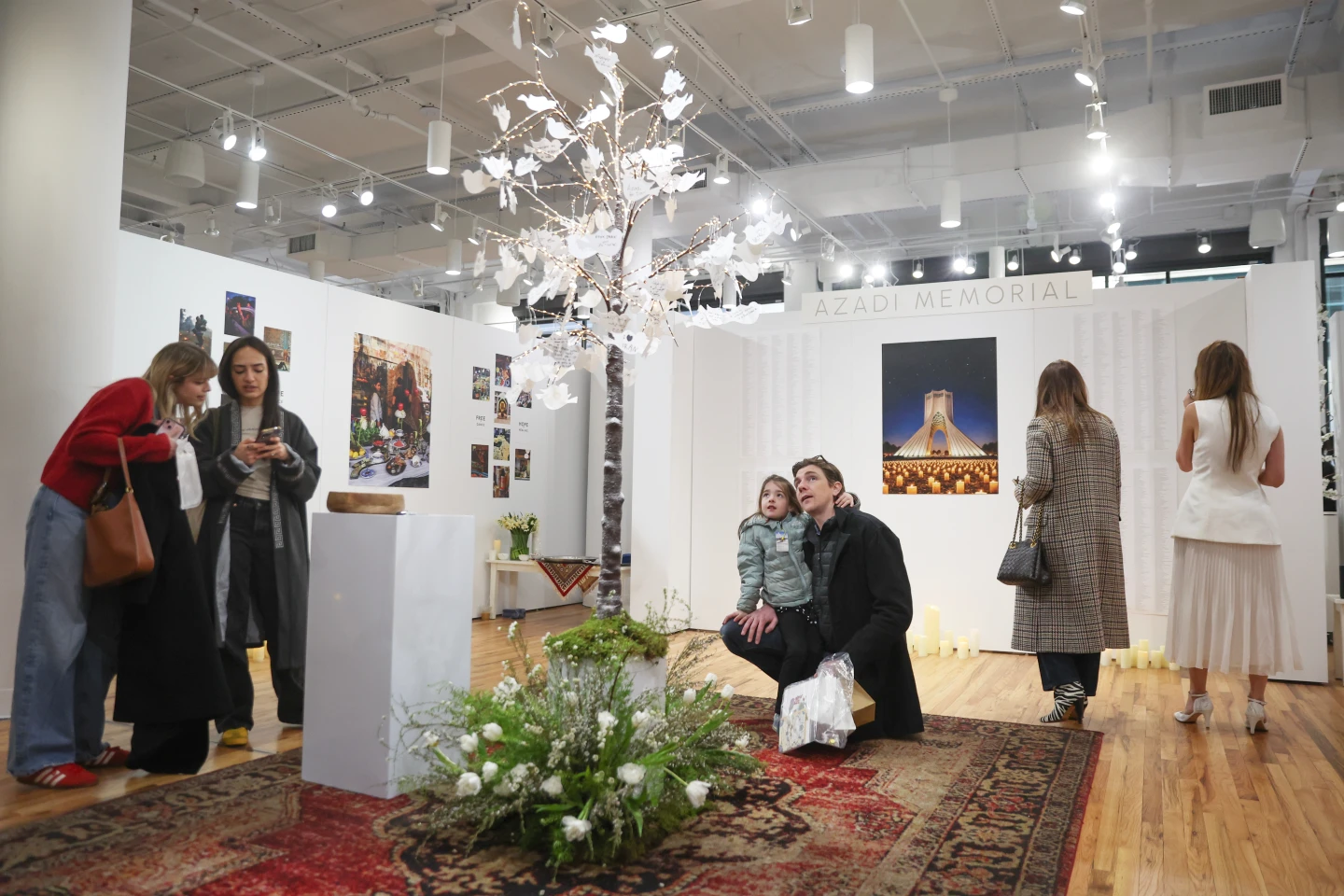
In light of recent events, Iranian Americans are approaching Nowruz with a mix of grief and cultural pride, incorporating flowers, music, and solemn gatherings into their observances. Many have opted to refrain from large festivities as a sign of respect, while others have turned to smaller gatherings.
Nowruz, meaning new day in Farsi, is deeply rooted in Zoroastrian traditions and spans across regions from Afghanistan to Turkey. Despite the Iranian regime's attempts to undermine the holiday, it remains a cherished celebration among Iranians of varied faiths.
In New York, elderly Iranian American women canceled their planned celebration after recognizing the community's mood. “People are not in the mood to celebrate the New Year,” Marjan Khalili, president of the Long Island Ladies Association, stated somberly.
Community organizers across the nation are adapting to the prevailing tone of sorrow. The Orange County Iranian American Chamber of Commerce, for instance, is partnering with local mental health clinics to support members facing stress from ongoing conflict in Iran. “Everyone I hear from is not doing well,” noted Shani Moslehi, the chamber's CEO.
In juxtaposition to these sentiments, organizations like the Persian Cultural Society at New York University are holding vigils to pay homage to those lost in protests, instead of more conventional celebrations.
Nevertheless, many feel that continuing to celebrate Nowruz is vital in defiance of the oppressive regime. As Hedi Yousefi, the organizer of a Norooz Bazaar in Manhattan said, “They want us to be quiet ... but we have to keep our tradition alive.”
Scores gathered at a Los Angeles park this past week to continue their customs, offering a festive yet poignant reminder of their cultural roots while recognizing the sorrow within the community for their lost loved ones.
“These are your people, and when you hear their pain and when you see their suffering, you feel it,” said Mojan Gabbay, a participant who lit candles to honor the deceased. The shared experience of grief during this holiday season reinforces their bond as a community.
Through acts of remembrance and solidarity, Iranian Americans across the country strive to keep their traditions alive, acknowledging both their joyous culture and the realities of the struggles that their homeland faces.