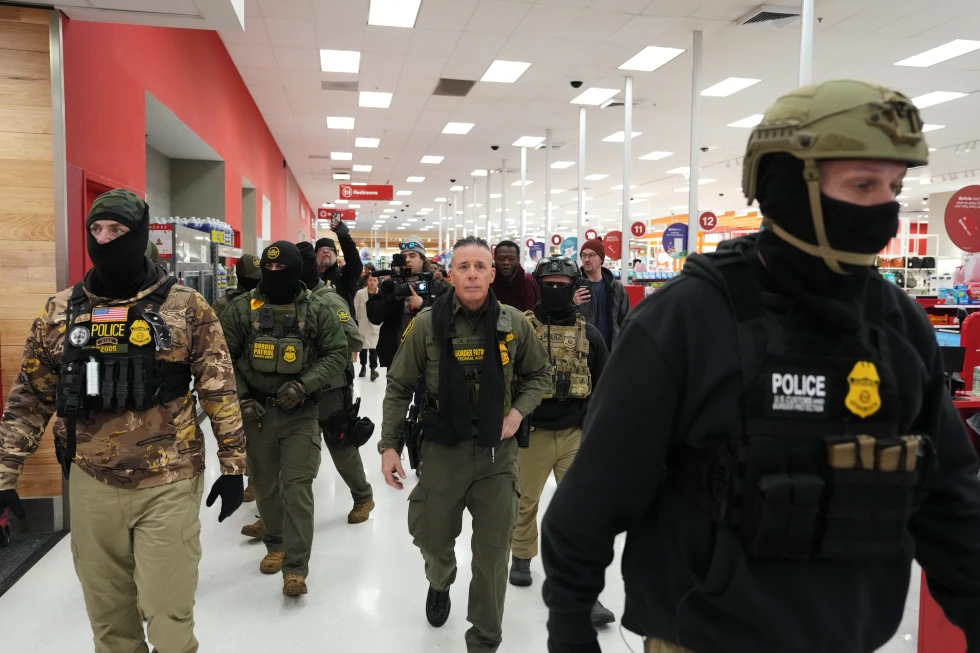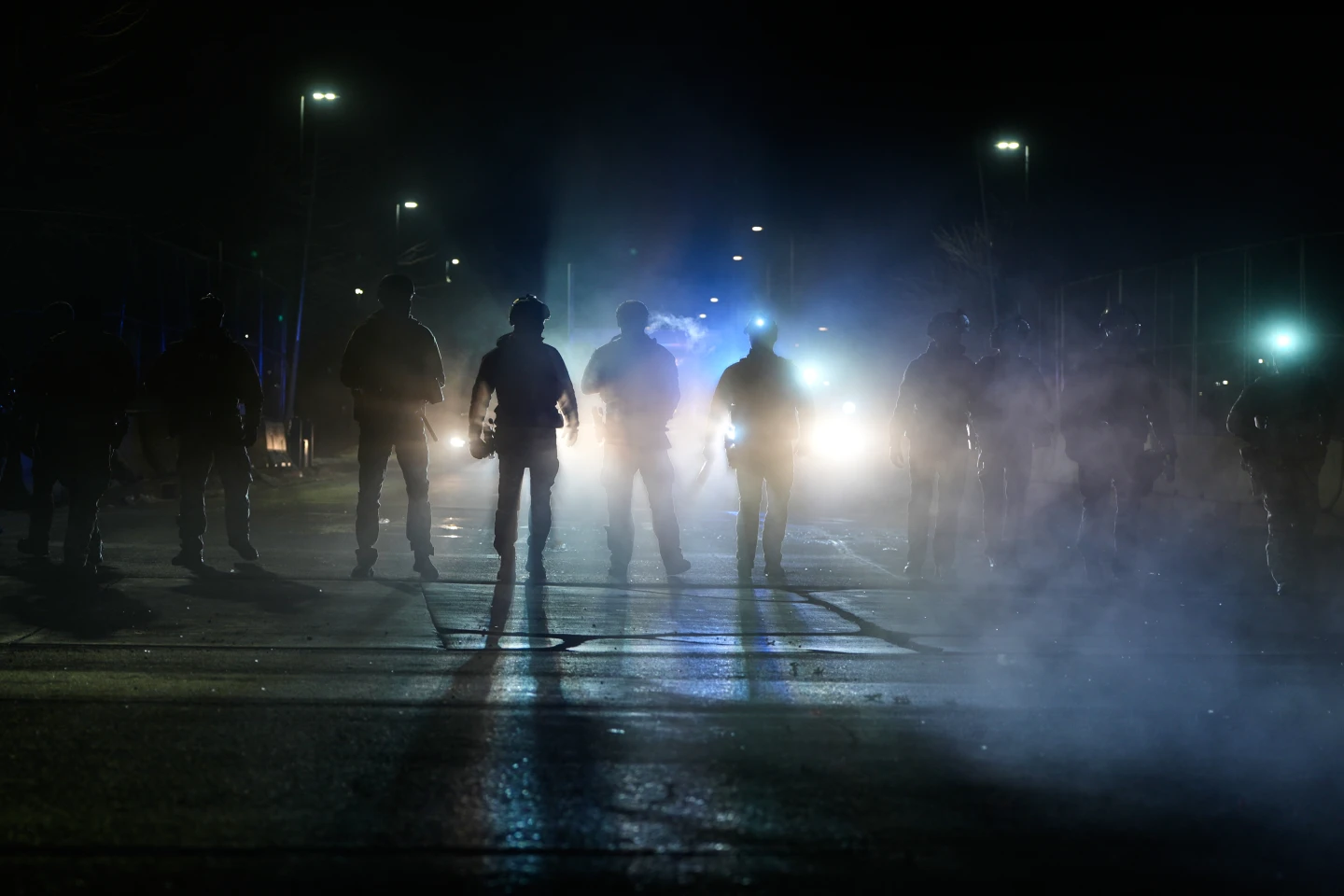
MINNEAPOLIS (AP) — The dawn in Minneapolis marks the beginning of Operation Metro Surge, where federal officers involved in an immigration crackdown are met with protests and resistance from local activists. Tactical units emerge from offices, quickly turning into convoys that have gained notoriety across the city’s streets.
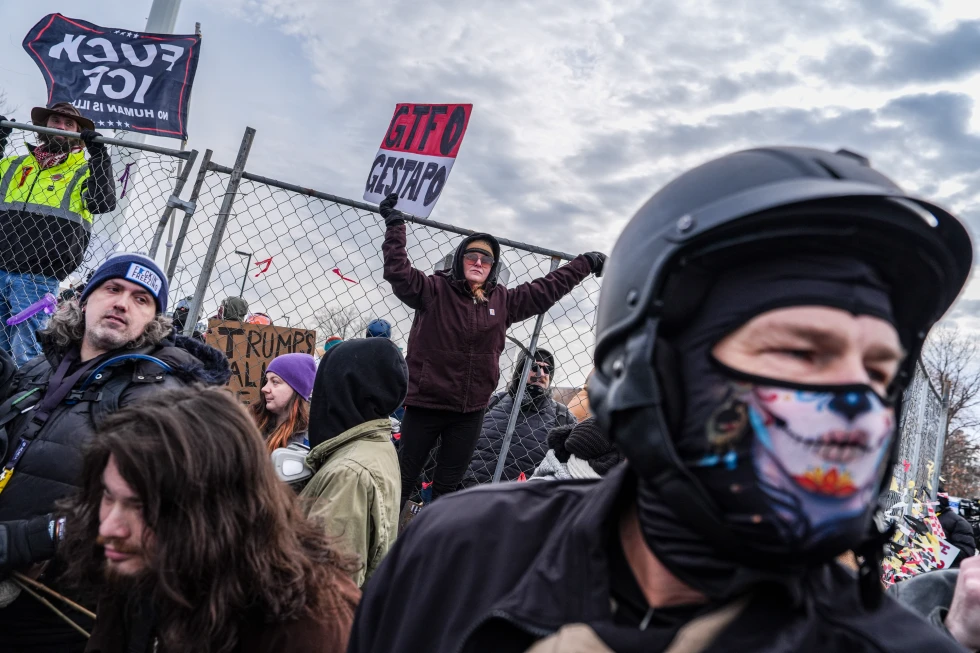
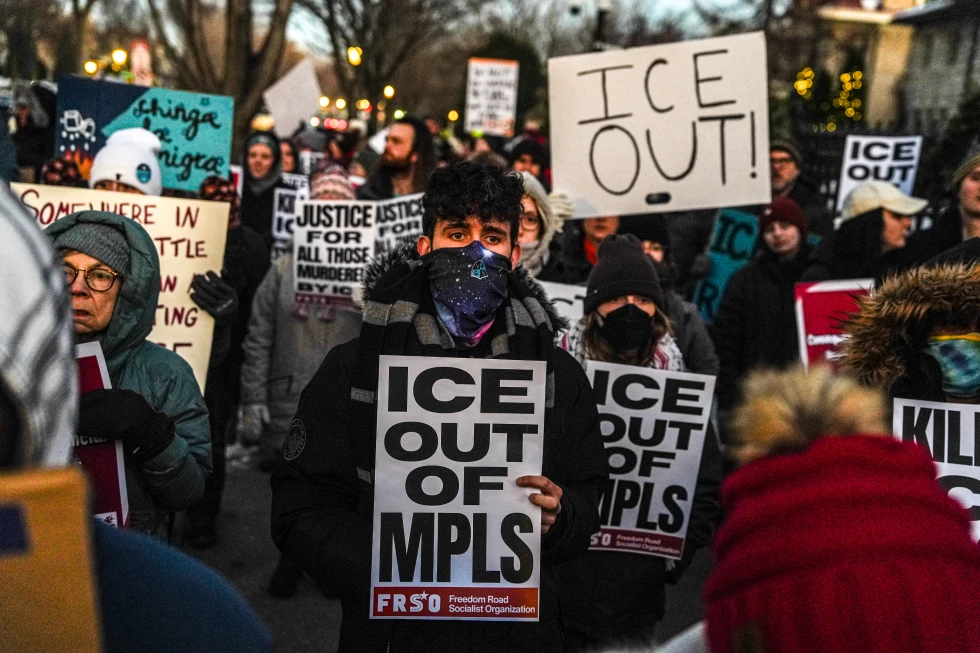
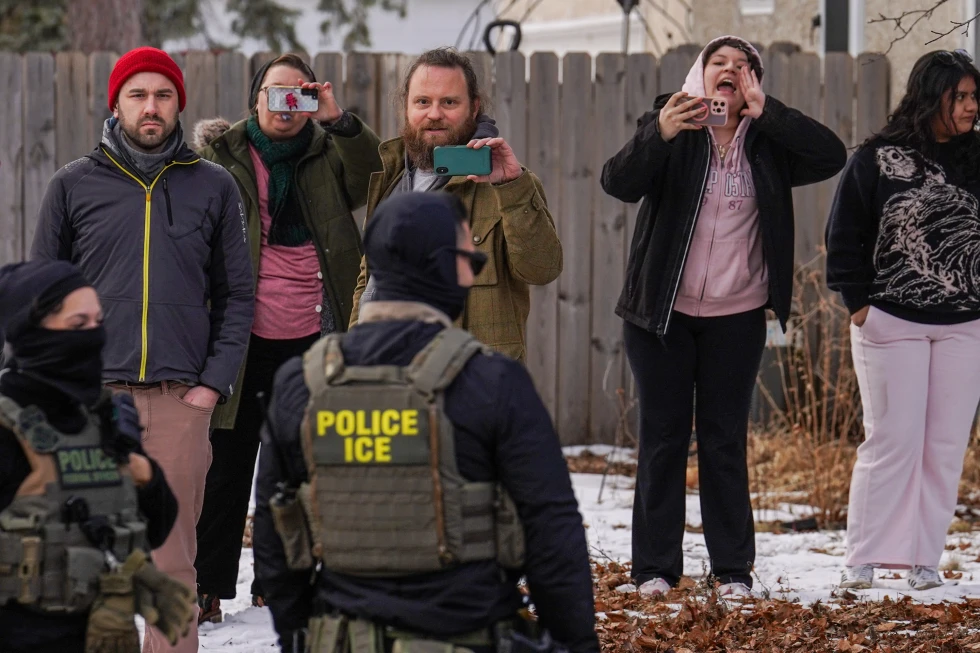
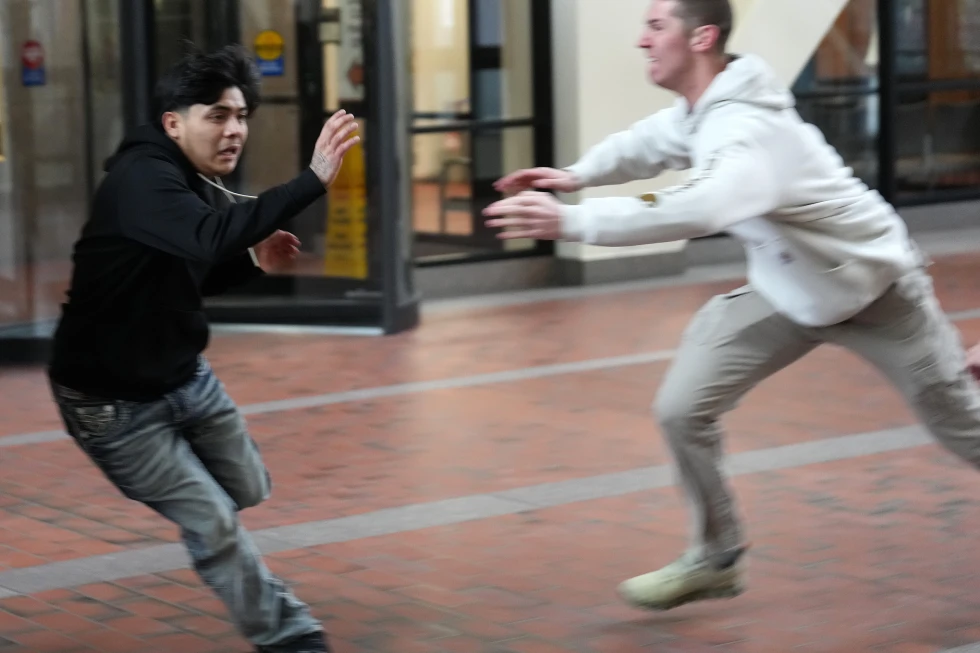
Protesters gather early, shouting slogans like “Go home!” and “ICE out!” as federal vehicles roll past. Tensions escalate towards night, often resulting in confrontation between the two parties; tear gas and flash grenades become frequent sights as protesters push back against the officers' actions.
“We’re not going anywhere!” is a rallying cry among the demonstrators, signaling their commitment to resist these federal actions. The operation, a significant crackdown under the Trump administration, has invoked fierce backlash, especially after recent incidents have left local citizens dead.
The daily encounters highlight a growing conflict between city officials and federal authorities. Minneapolis, a hub for many immigrant communities, is particularly affected by the crackdown. Individuals express fears for their families, as large-scale arrests create an atmosphere of anxiety and tension.
Residents are seen taking extraordinary measures to protect one another, from warning about approaching agents to distributing supplies for those affected by tear gas. The spirit of community care shines amid the chaos, contrasting sharply with the violence that has erupted in response to heavy federal enforcement.
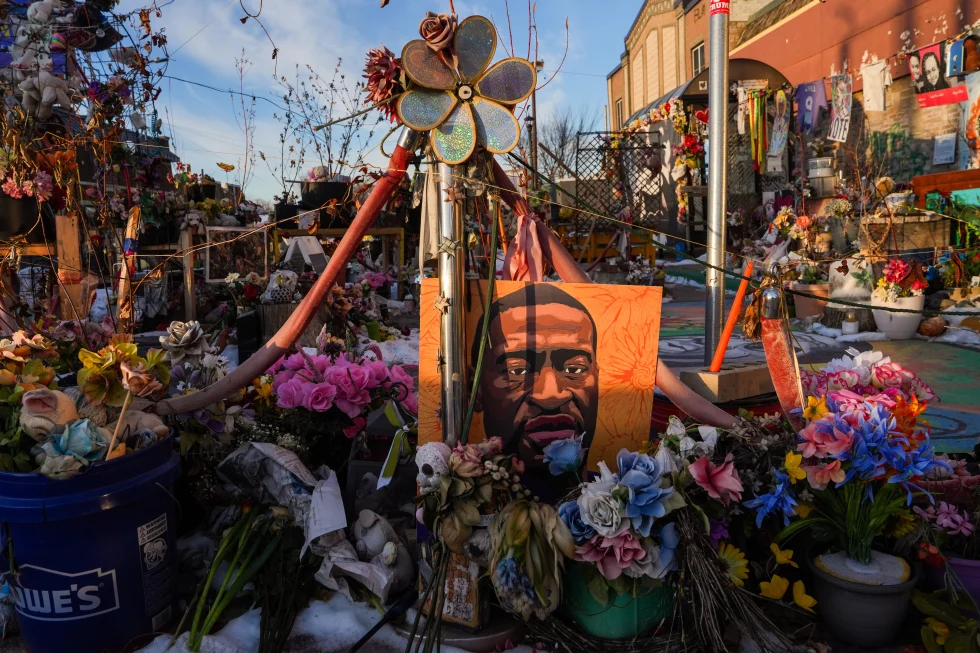
As protests continue, the memory of George Floyd's death remains fresh; the latest victim, Renee Good, was killed during a confrontation with ICE officers, drawing parallels and fueling outrage among the public. With echoes of past protests surrounding Floyd's death, the recurring conflicts over immigration enforcement expose the dual struggle for civil rights and community safety.
Minneapolis Mayor Jacob Frey characterized the involvement of numerous federal agents as an 'invasion' of the city, indicating the urgent need for local authorities to reclaim control over community safety and rights.
The outcome of these protests remains uncertain, with each clash between activists and federal officers igniting further mobilization within the community. As tensions rise, residents brace for the potential repercussions of escalating confrontations, reaffirming their commitment to support vulnerable populations despite the threat of violence.