Article text:
The recent surge in Israeli air strikes near Lebanon's ancient sites has raised serious concerns among archaeologists and historians about the potential destruction of invaluable heritage. The Roman ruins at Baalbek, distinguished as some of the finest remnants of Roman architecture, stand precariously close to an Israeli air strike that affected a nearby car park. The attack also resulted in the demolition of a centuries-old Ottoman building, provoking fears about the ongoing violence's impact on historical locations.
"Baalbek is an irreplaceable piece of our past. If someone were to destroy it, it would be an immense loss, a crime against history," warned Graham Philip, a professor at Durham University, underscoring the unique significance of these sites.
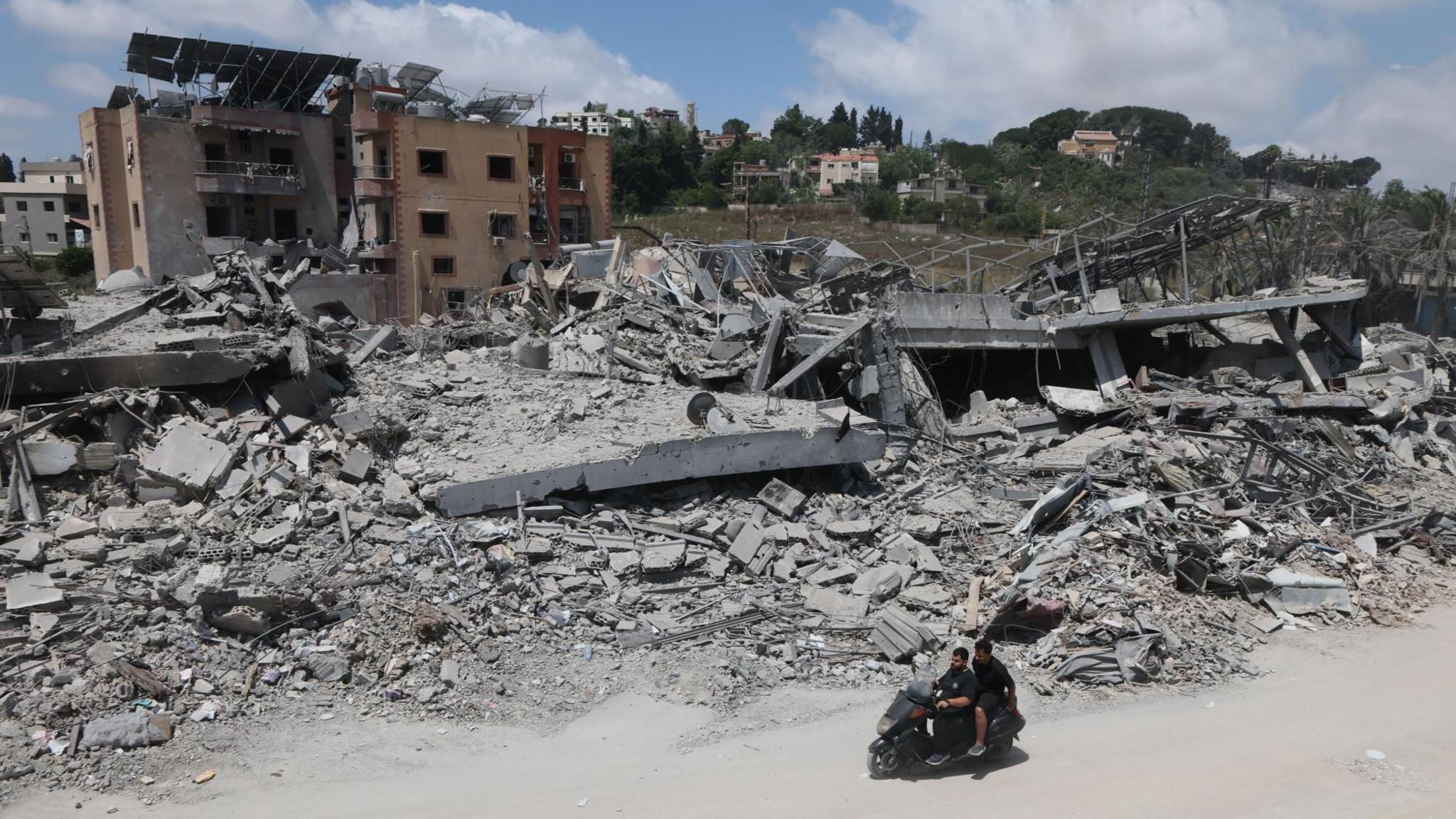
Since the start of the conflict with Hezbollah, Israel has intensified its air campaign against what it claims are military targets in southern Lebanon and other areas, leading to thousands of strikes. Many of these engagements have occurred alarmingly close to cultural landmarks, raising ethical and safety questions regarding military protocols.
Despite the Israeli Defense Forces (IDF) stating that they only target military facilities, the proximity of air strikes to the renowned Baalbek and Tyre ruins has ignited concern among local archaeologists, especially as reports have surfaced suggesting evacuation orders for neighborhoods near these historical sites.
Joanne Farchakh Bajjaly, a local archaeologist, expressed her dismay that Baalbek, far from being exempted, seems to be close to military operations despite there being no reported Hezbollah facilities in the vicinity: "There should be exemptions for UNESCO sites."
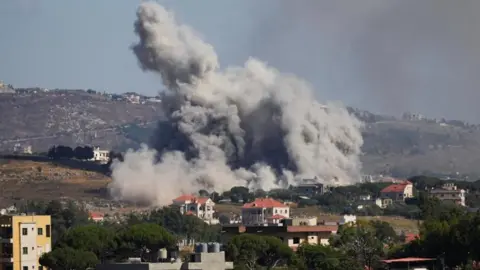
While the IDF insists on taking precautions regarding sensitive sites, the risk of collateral damage looms large. Videos and reports from recent strikes showcase enormous clouds of smoke rising near these ancient locations, leaving many to wonder if these cultural heritages might inadvertently be caught in the crossfire.
As the situation becomes more dire, some civilians seeking refuge have turned to the historic ruins, mistakenly perceiving them as safe havens amidst the chaos of war. Bajjaly warns, "These sites, while valuable to our identity, are not shelters. The complex interplay between warfare and our cultural landmarks is dire."
Erez Ben-Yosef, an Israeli archaeologist, acknowledged the precarious state of archaeological sites, emphasizing the loss they represent not only for Lebanon but for cultural heritage worldwide. He noted the concerted efforts within the Israel Defense Forces to prevent such losses and remain cautious about military actions.
Despite these efforts, British archaeologist Graham Philip acknowledged the unpredictability of warfare, stating, "With the volume of munitions being deployed, it's possible that not all of them land where intended. The ancient heritage of Lebanon is at high risk if this continues."
With the ongoing conflict in the region extending into the historical landscape of Lebanon, experts are urging immediate international attention to safeguard these sites. The potential loss of these ancient treasures represents a cultural catastrophe that extends far beyond national borders and identities.
The recent surge in Israeli air strikes near Lebanon's ancient sites has raised serious concerns among archaeologists and historians about the potential destruction of invaluable heritage. The Roman ruins at Baalbek, distinguished as some of the finest remnants of Roman architecture, stand precariously close to an Israeli air strike that affected a nearby car park. The attack also resulted in the demolition of a centuries-old Ottoman building, provoking fears about the ongoing violence's impact on historical locations.
"Baalbek is an irreplaceable piece of our past. If someone were to destroy it, it would be an immense loss, a crime against history," warned Graham Philip, a professor at Durham University, underscoring the unique significance of these sites.
Since the start of the conflict with Hezbollah, Israel has intensified its air campaign against what it claims are military targets in southern Lebanon and other areas, leading to thousands of strikes. Many of these engagements have occurred alarmingly close to cultural landmarks, raising ethical and safety questions regarding military protocols.
Despite the Israeli Defense Forces (IDF) stating that they only target military facilities, the proximity of air strikes to the renowned Baalbek and Tyre ruins has ignited concern among local archaeologists, especially as reports have surfaced suggesting evacuation orders for neighborhoods near these historical sites.
Joanne Farchakh Bajjaly, a local archaeologist, expressed her dismay that Baalbek, far from being exempted, seems to be close to military operations despite there being no reported Hezbollah facilities in the vicinity: "There should be exemptions for UNESCO sites."
While the IDF insists on taking precautions regarding sensitive sites, the risk of collateral damage looms large. Videos and reports from recent strikes showcase enormous clouds of smoke rising near these ancient locations, leaving many to wonder if these cultural heritages might inadvertently be caught in the crossfire.
As the situation becomes more dire, some civilians seeking refuge have turned to the historic ruins, mistakenly perceiving them as safe havens amidst the chaos of war. Bajjaly warns, "These sites, while valuable to our identity, are not shelters. The complex interplay between warfare and our cultural landmarks is dire."
Erez Ben-Yosef, an Israeli archaeologist, acknowledged the precarious state of archaeological sites, emphasizing the loss they represent not only for Lebanon but for cultural heritage worldwide. He noted the concerted efforts within the Israel Defense Forces to prevent such losses and remain cautious about military actions.
Despite these efforts, British archaeologist Graham Philip acknowledged the unpredictability of warfare, stating, "With the volume of munitions being deployed, it's possible that not all of them land where intended. The ancient heritage of Lebanon is at high risk if this continues."
With the ongoing conflict in the region extending into the historical landscape of Lebanon, experts are urging immediate international attention to safeguard these sites. The potential loss of these ancient treasures represents a cultural catastrophe that extends far beyond national borders and identities.