In brief
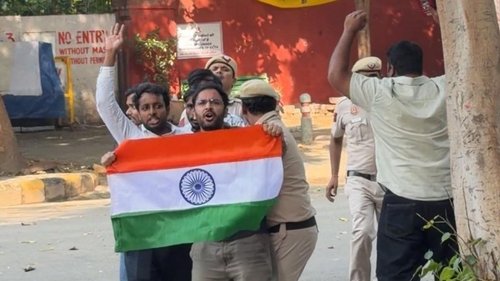
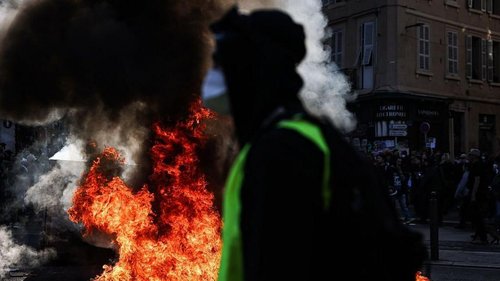
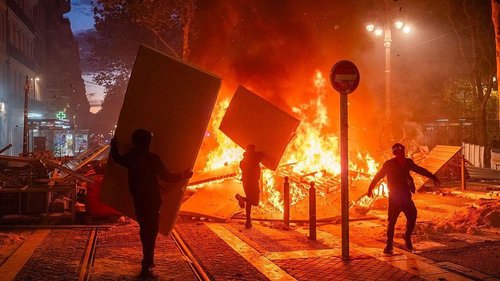
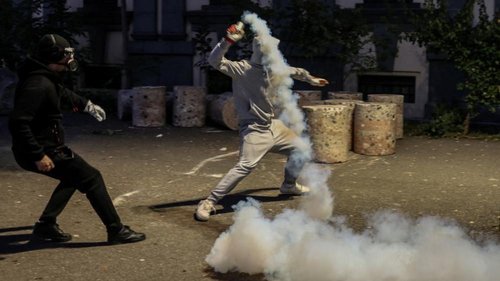
After weeks of student protests, riots erupted across France, with 2,500 arrested and dozens of police injured. In response, authorities declared overnight curfews in central Paris, Marseille, Nice, Lyon and other major towns. Prime Minister Sébastien Lecornu pledged financial aid and a law to hold perpetrators accountable. The unrest has damaged hundreds of millions of euros worth of property and heightened tensions ahead of the presidential election.
After weeks of student protests over rising fuel prices, the cost of living and declining public services, a wave of violence erupted across France. More than 2,500 demonstrators have been arrested, police reports cite injuries to roughly 1,000 officers and reports of a hand lost in a crowd‑control grenade.
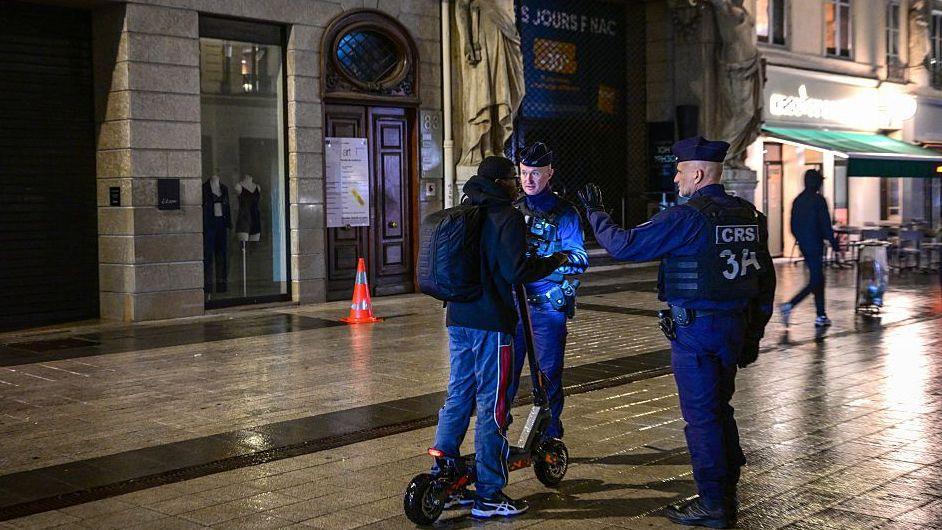
In Paris, overnight curfews were declared for the Place de la République and the Les Halles shopping area, with restrictions on unauthorised gatherings in other parts of the city centre. Similar partial curfews were announced in Marseille, Bordeaux, Nice, Lyon, Lille and towns in the north, limiting movement for young people and large assemblies.
Interior Minister Laurent Nuñez, criticised for a perceived lack of preparedness, said the police had “lost control” in some localities. Prime Minister Sébastien Lecornu announced a special funding package to help affected areas recover and a forthcoming law to ensure those who broke the law would be held financially responsible. He also noted the potential for a partial unemployment fund for people displaced by the riots.
The disruption has already cost more than “hundreds of millions of euros” in damage, according to France’s Chambers of Commerce and Industry. Several high‑profile business owners in Marseille have reported sales losses and hardship, while online platforms such as Vinted have blocked listings of stolen goods, tightening monitoring of suspicious posts.