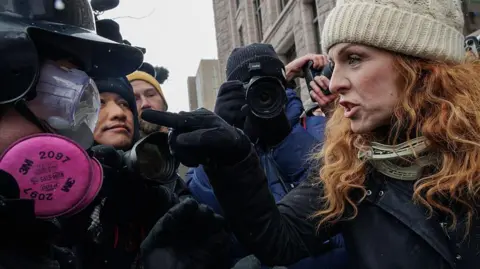
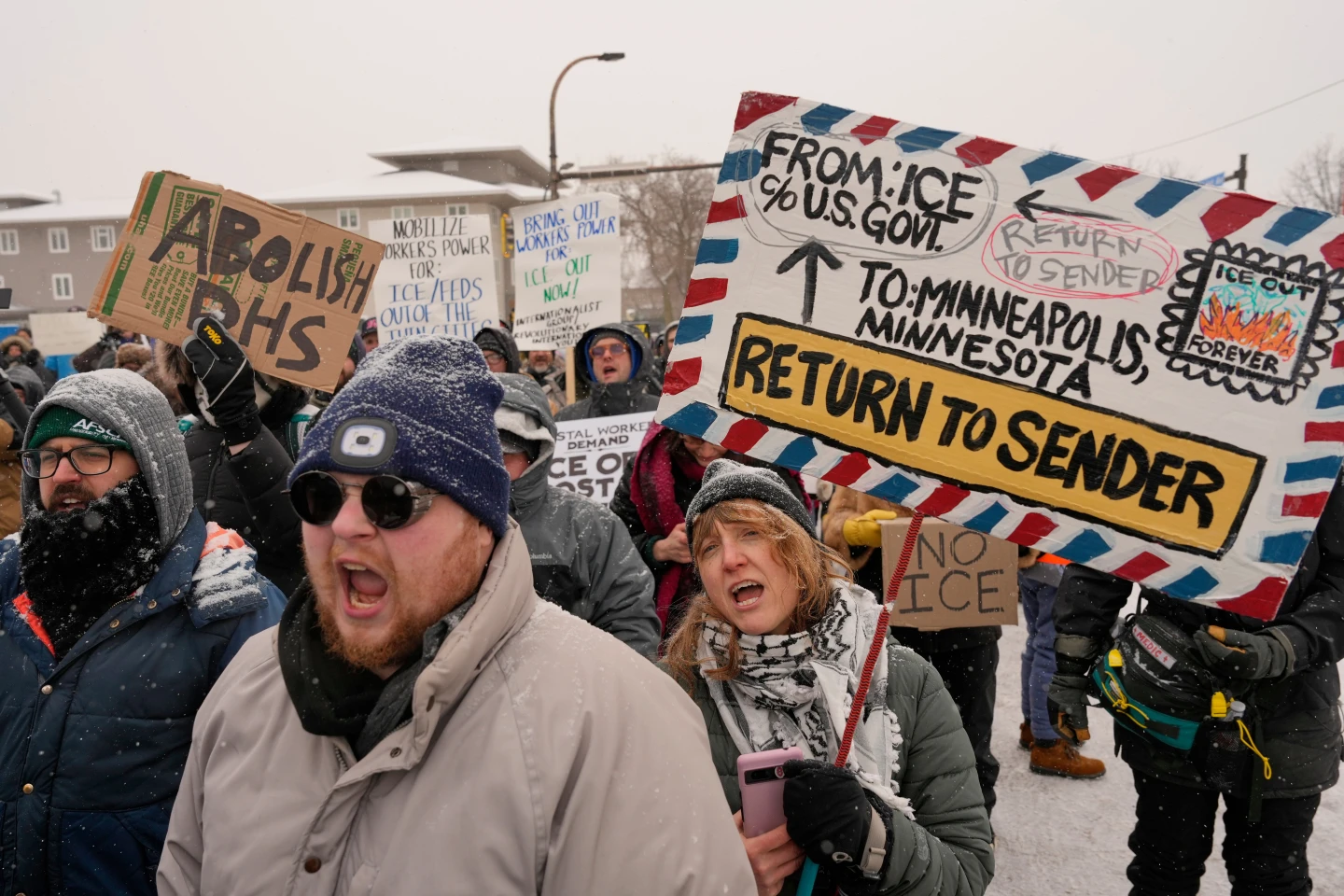
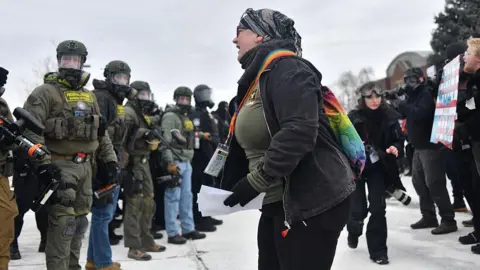
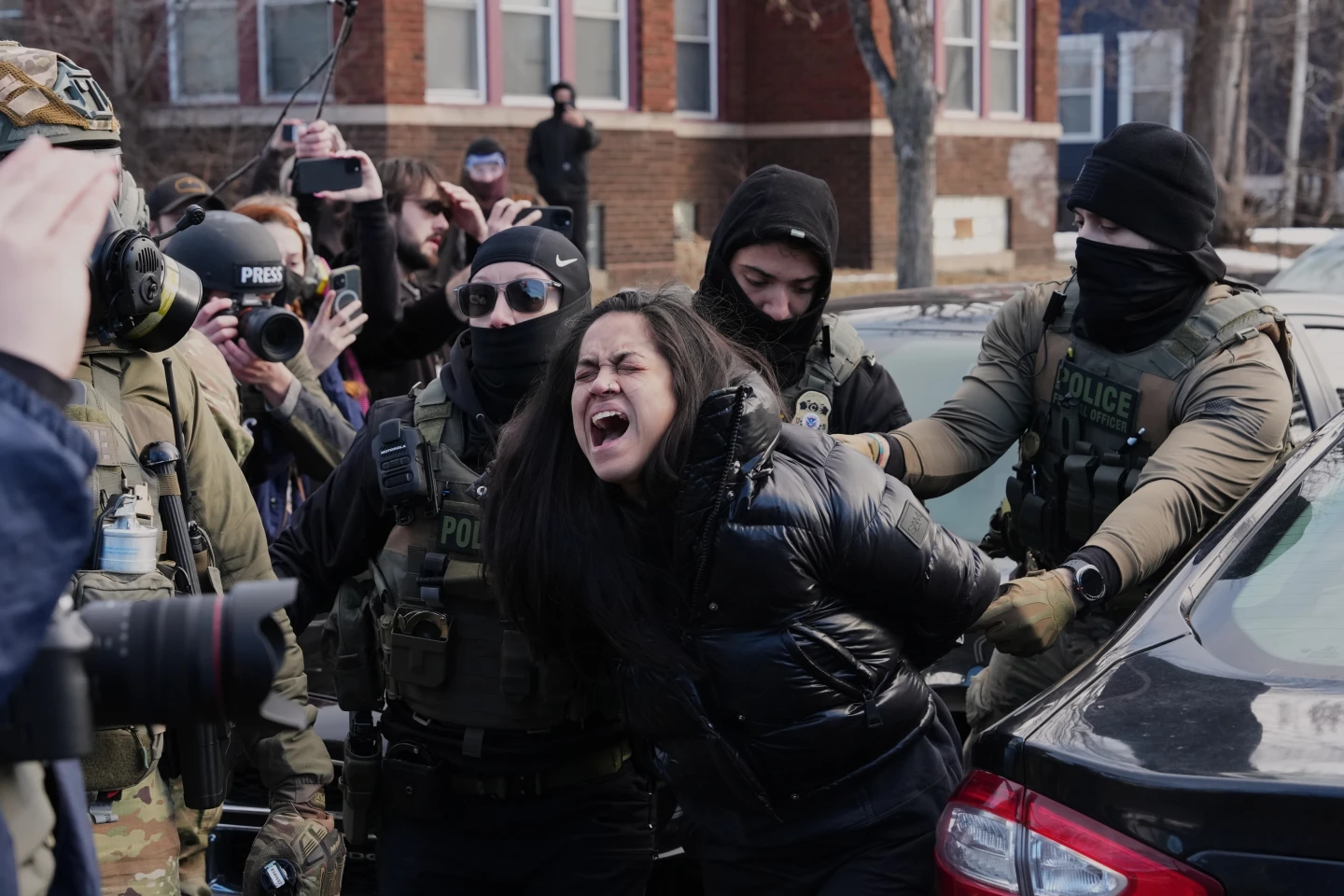
On Sunday, a peaceful church service at the Cities Church in St. Paul, Minnesota, was radically interrupted by a protest involving about thirty activists advocating for immigrant rights. Shouting chants such as 'ICE out' aimed at drawing attention to the activities of the Immigration and Customs Enforcement (ICE), the activists walked into the church mid-service.
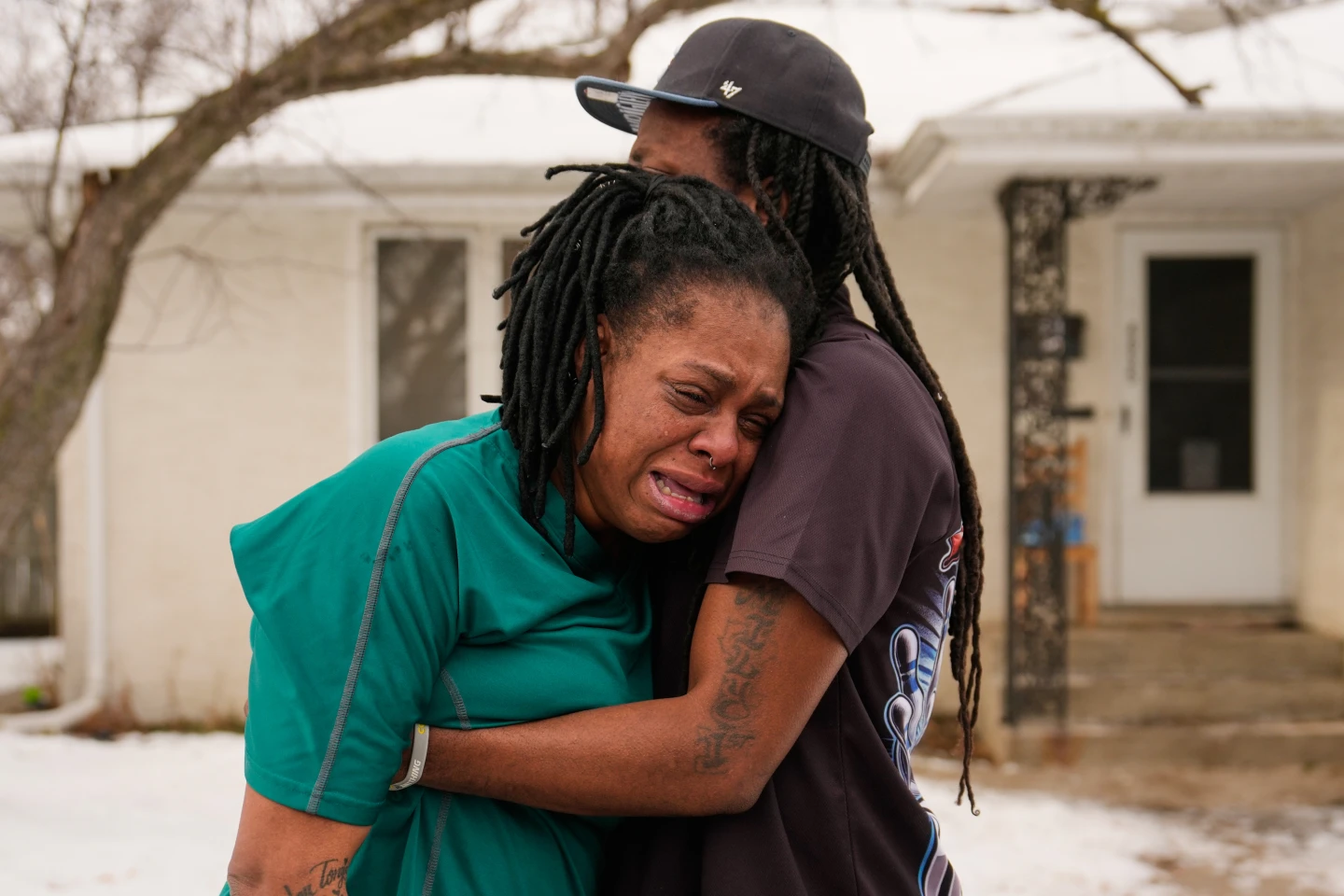
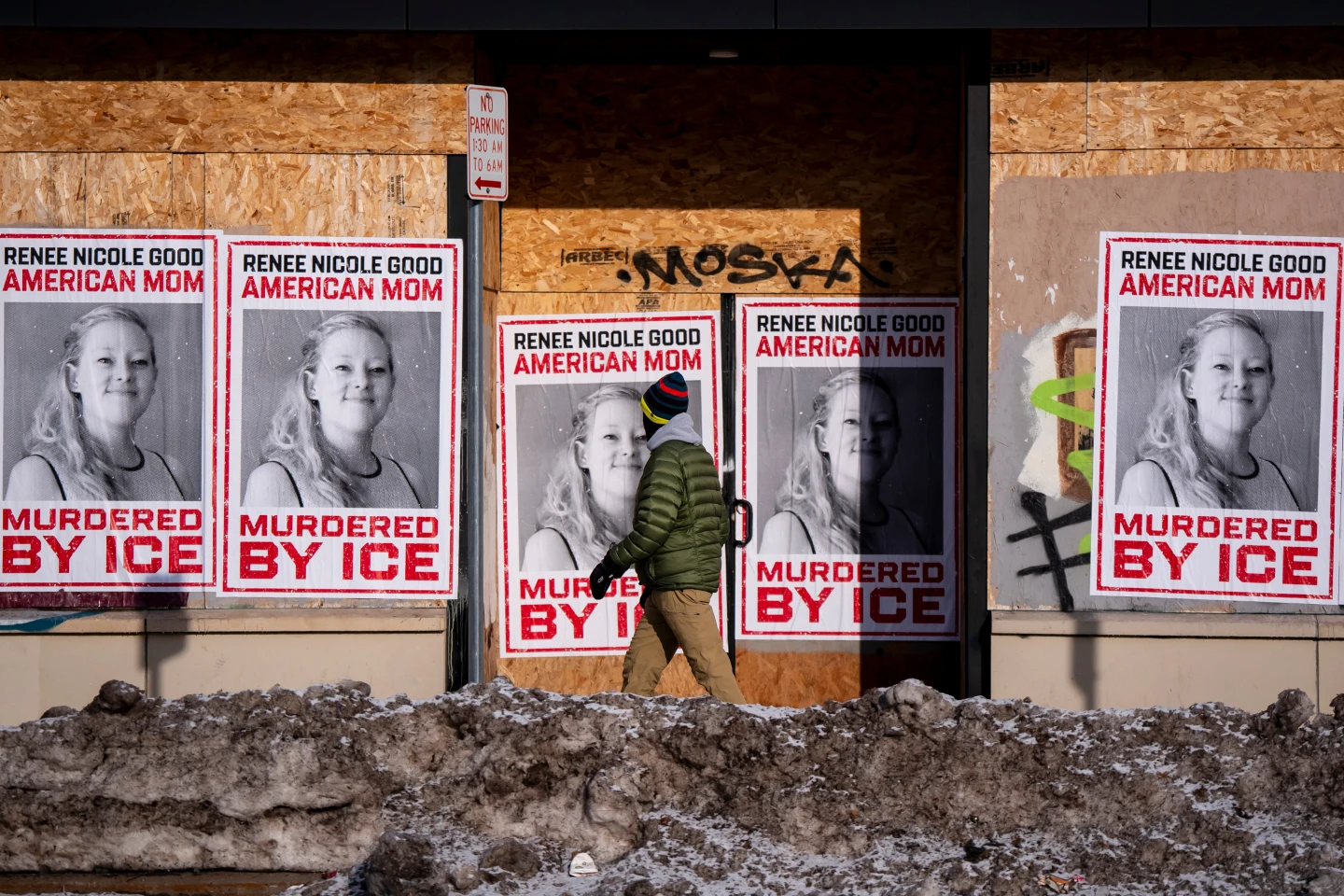
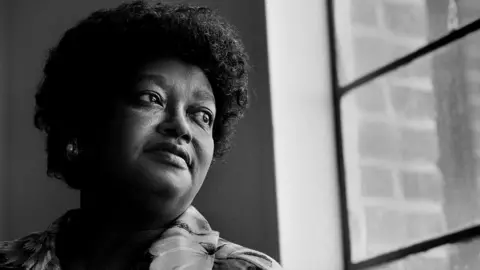
This protest follows a tragic incident on January 7, where an ICE agent fatally shot a woman in Minneapolis, sparking outrage among community members and activists. Nekima Levy Armstrong, the leader of the protest, is known for her advocacy work and is also an ordained reverend.
The Minnesota-Wisconsin Baptist Convention, to which Cities Church belongs, labeled the protest an 'unacceptable trauma,' urging churches to provide compassionate pastoral care to migrant families while steadfastly protecting the sanctity of worship spaces. Trey Turner, leader of the convention, stated, 'We must be resolute in two areas.'
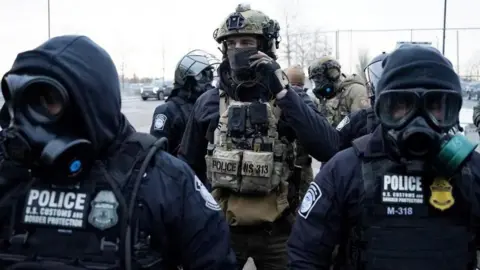
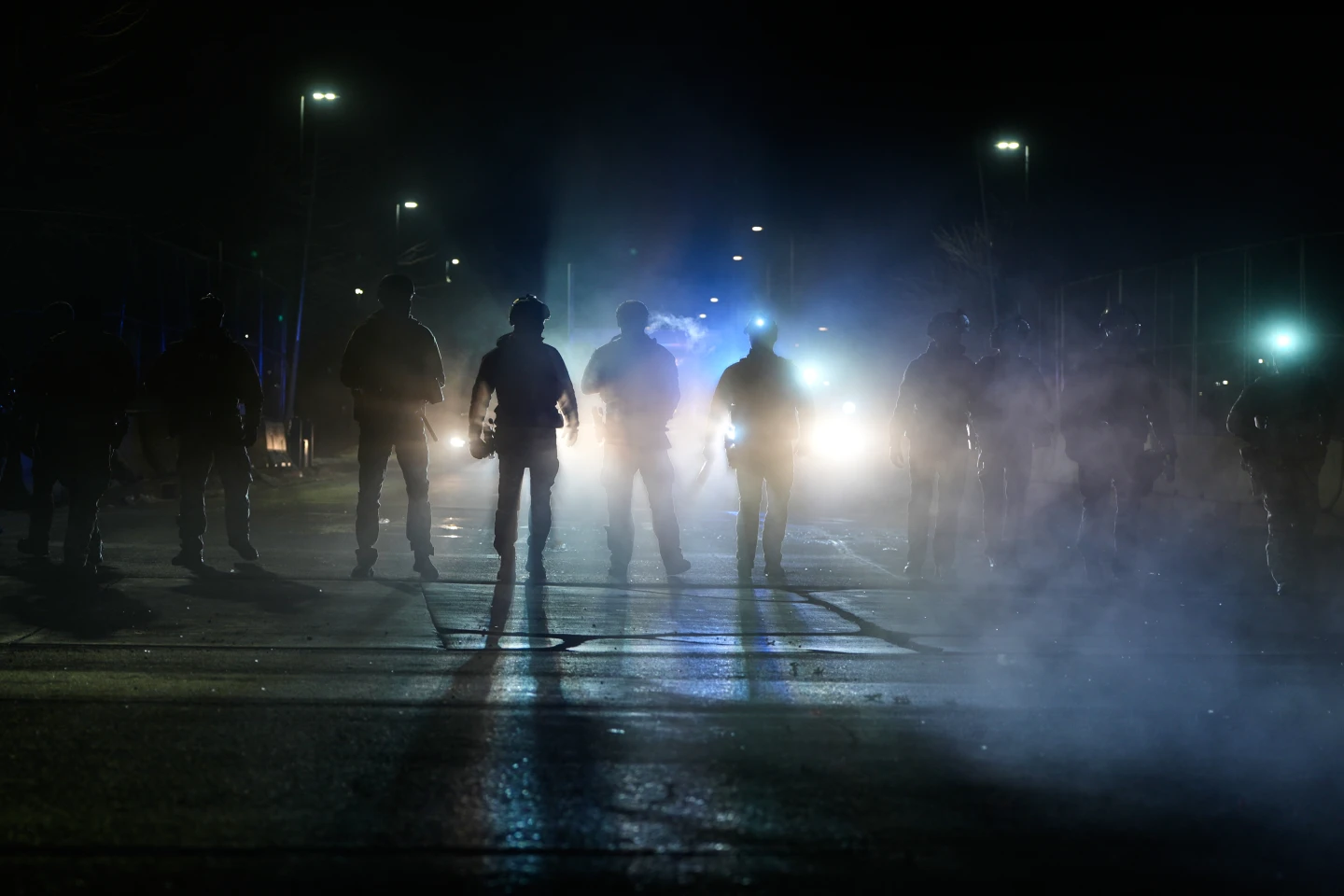
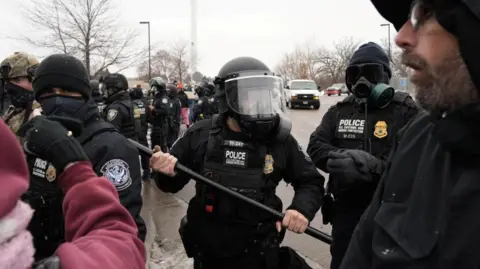
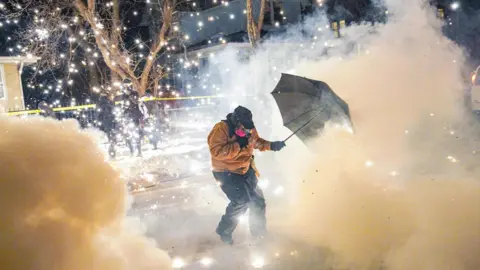
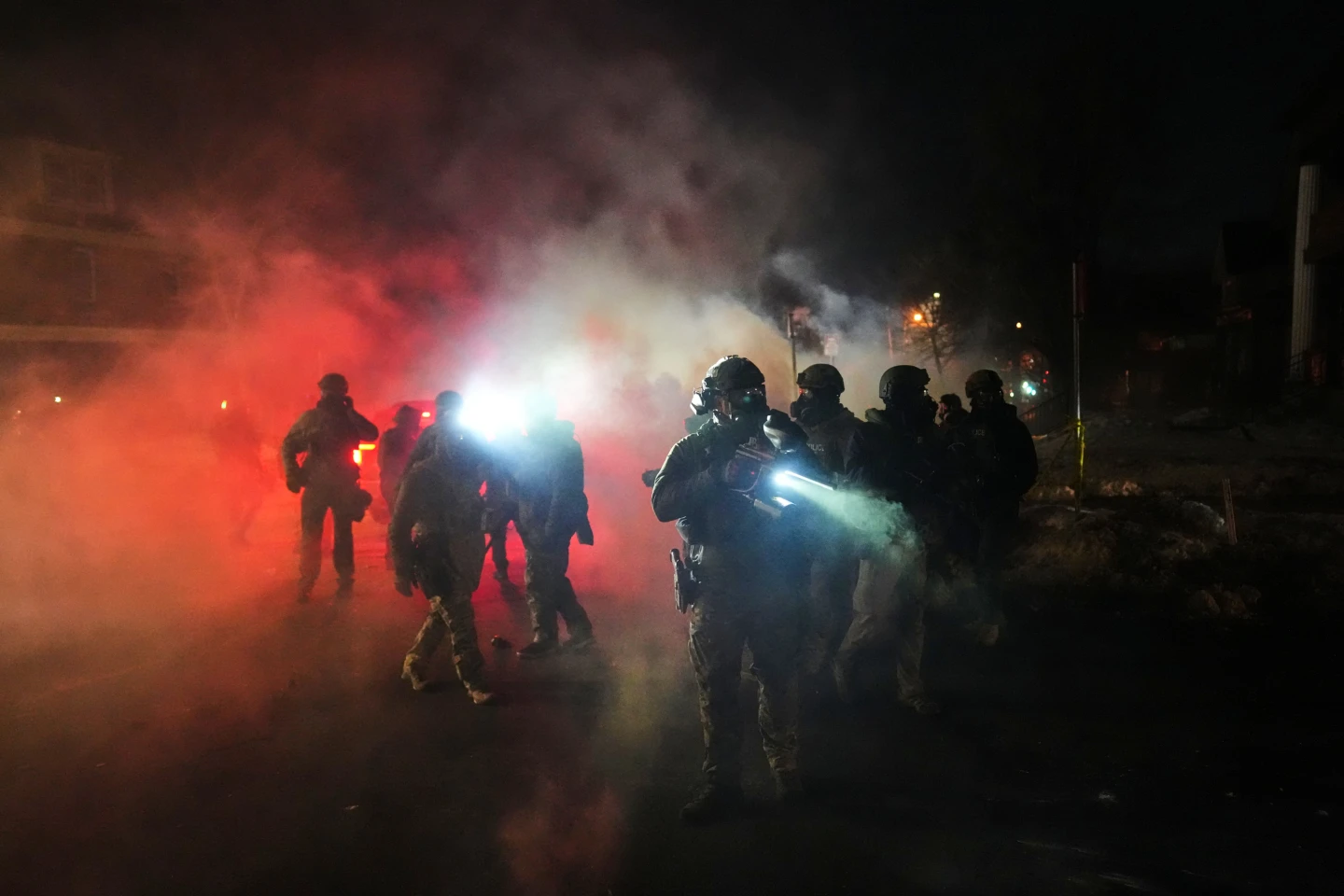
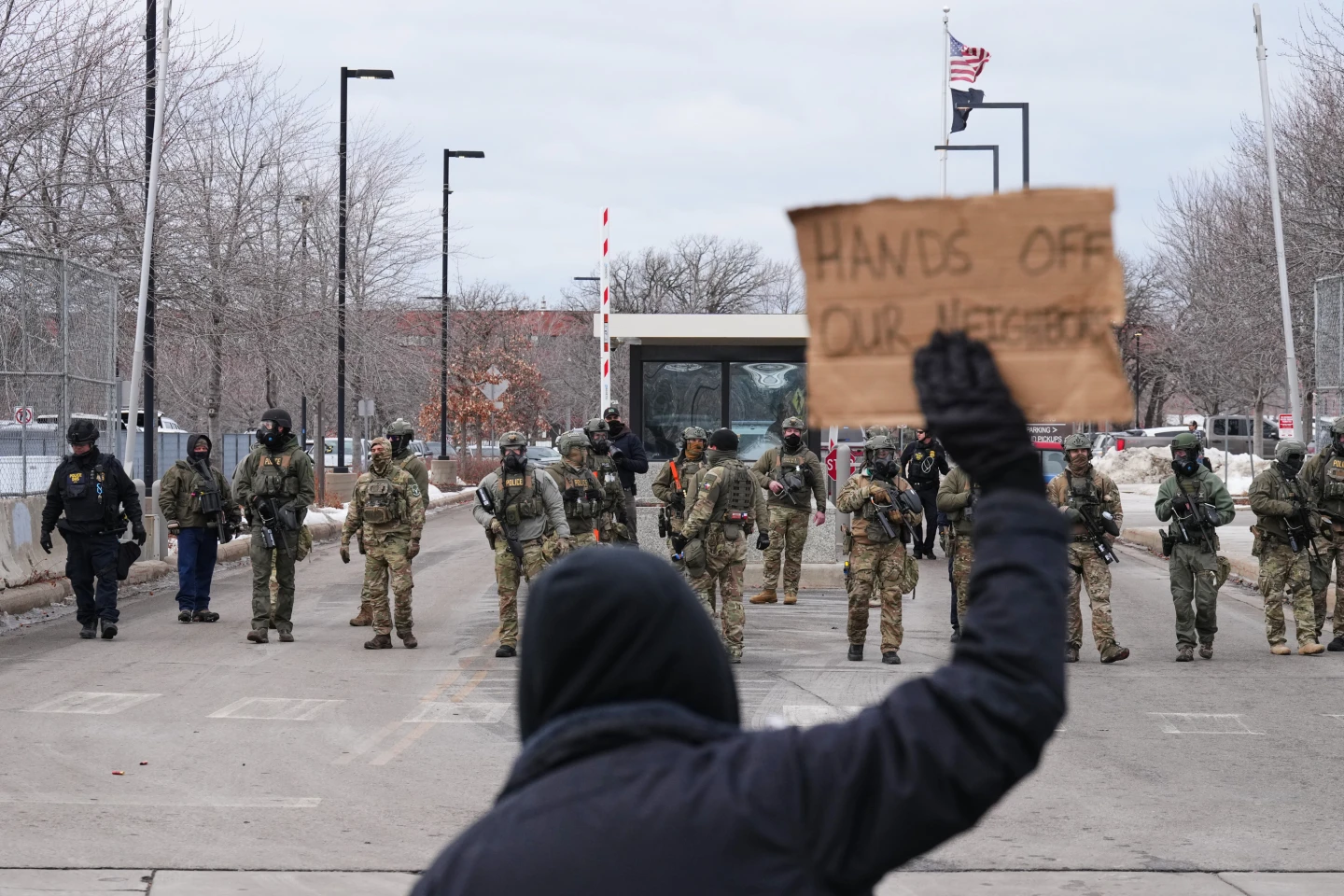
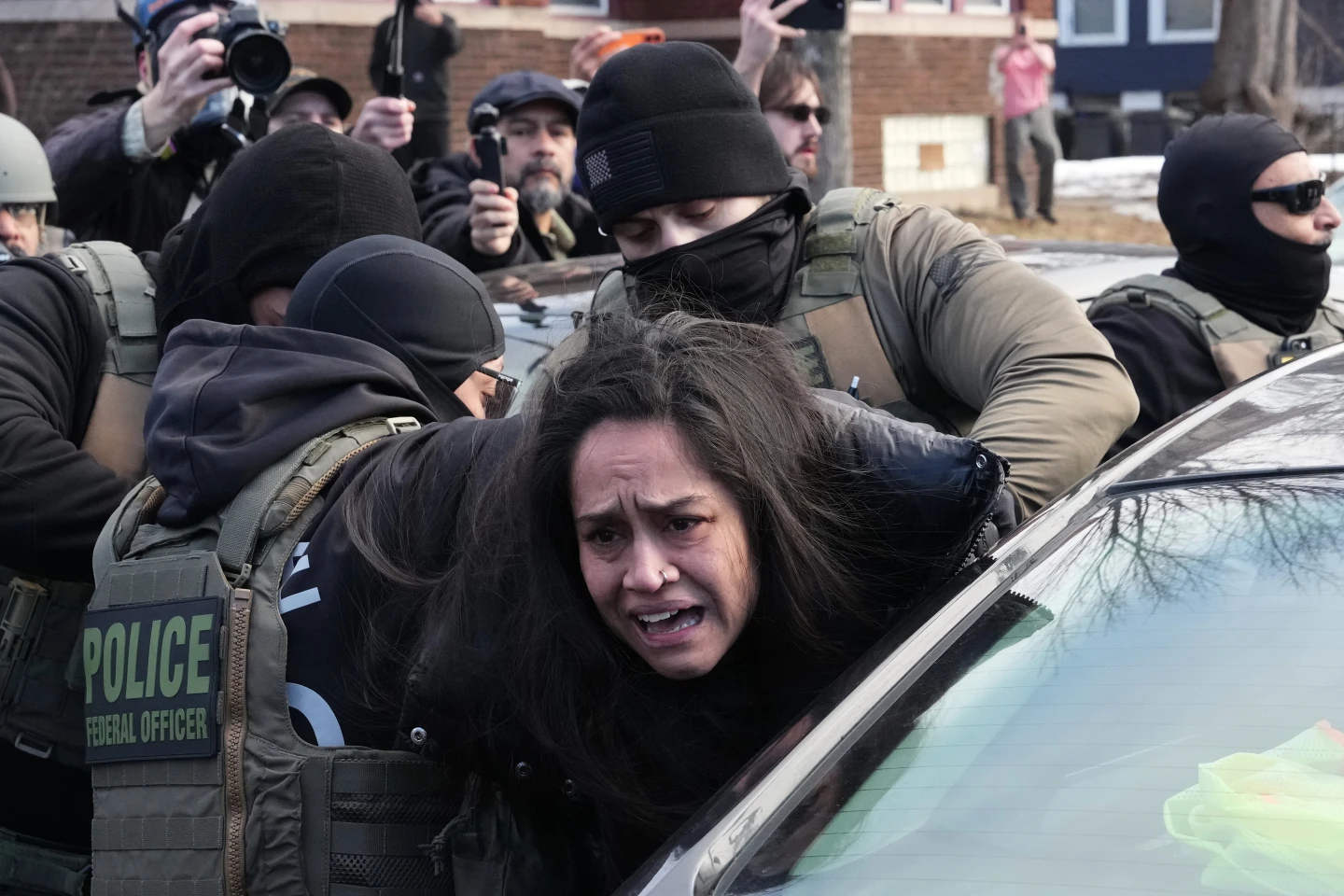
The tensions around immigration issues in Minnesota have intensified, with over 2,000 federal agents reported to be involved in recent operations against undocumented immigrants. This has led to a conflict between community activists advocating for immigrants and federal authorities, with accusations of harassment and intimidation being exchanged.
In the aftermath of the protest, Leaders from faith communities expressed the need for federal measures to protect houses of worship from interruptions and intimidation, emphasizing that faith should not be subjected to political agendas. Kevin Ezell, president of the North American Mission Board, condemned the actions of the protesters, describing them as 'lawless harassment.'
As tensions continue to rise, Christian voters and leaders remain divided on immigration enforcement, revealing complexities within faith communities about pastoral care verses legal adherence. The recent events have highlighted the urgent need to balance compassion for migrants while safeguarding the sanctity of worship services, leading to a broader dialogue on the roles of faith in contemporary socio-political issues.