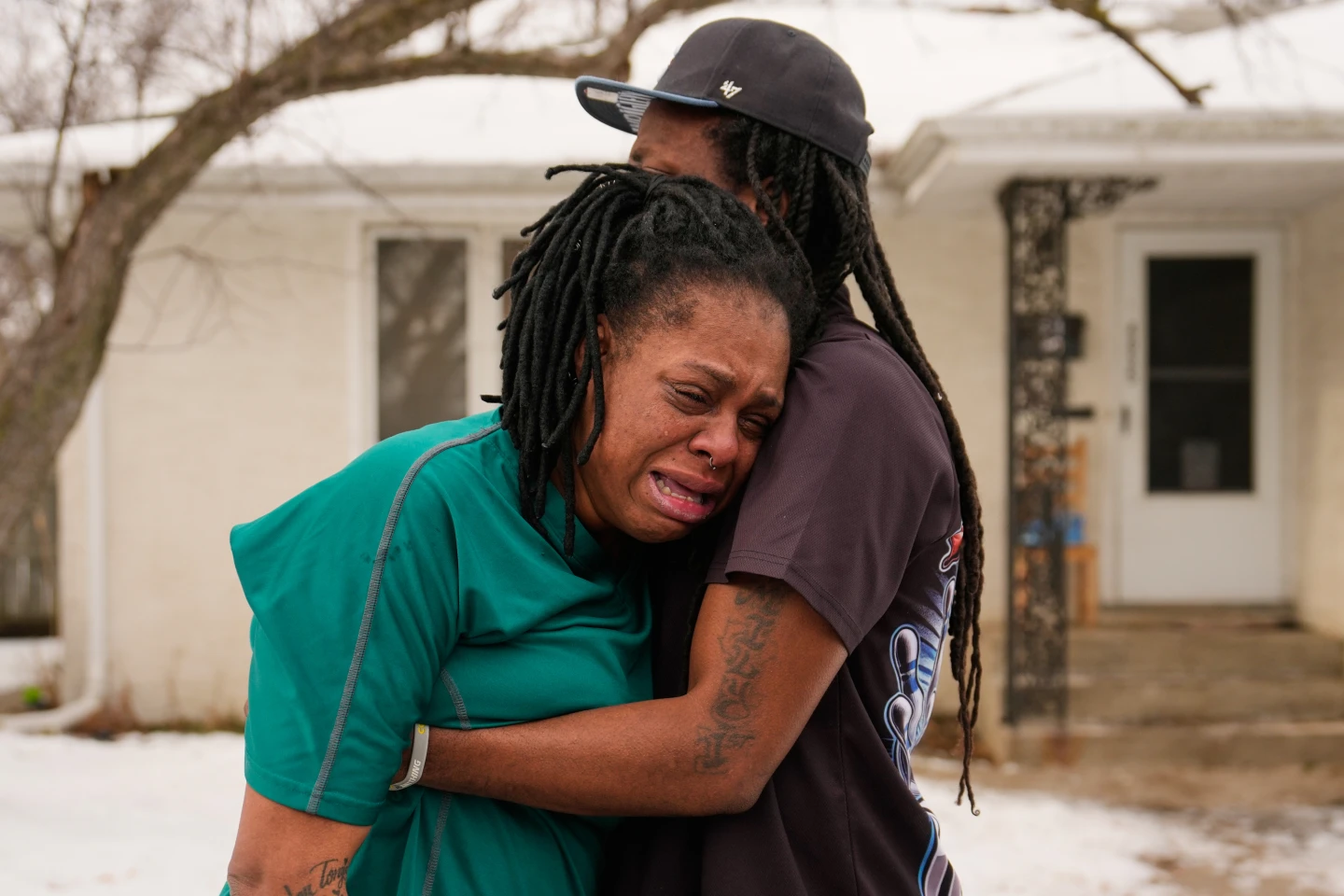
MINNEAPOLIS (AP) — Garrison Gibson, a 37-year-old Liberian man, was arrested this past weekend during a significant immigration enforcement operation executed by heavily armed agents in Minneapolis. His lawyer, Marc Prokosch, asserts that Gibson had been routinely checking in with immigration authorities for years and describes the arrest as a blatant violation of constitutional rights, as agents lacked a proper warrant.
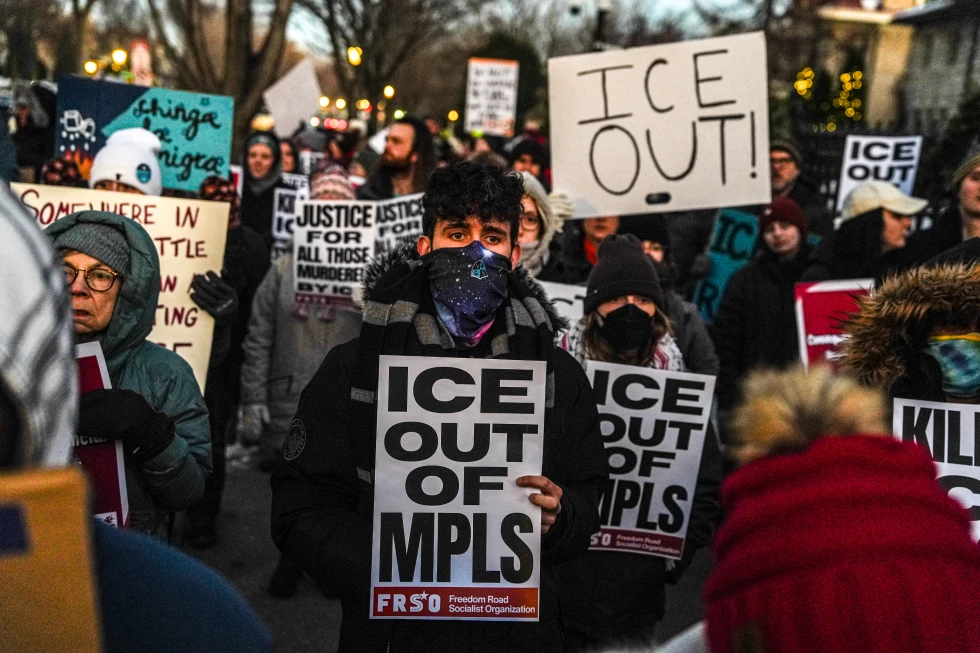
The operation follows heightened tensions in the city after an immigration agent recently shot and killed a woman named Renee Good, prompting public outrage and protests against federal immigration policies. Prokosch argued that agents only possessed an administrative warrant, thus negating their right to forcibly enter Gibson's private residence.
Complicating the situation, Gibson fled Liberia as a child during a civil war and had faced removal from the U.S. due to a past drug conviction—an order that was later dismissed by the courts. Though obeying an order of supervision, which required him to meet regularly with immigration officials, his recent arrest raises serious concerns about the nature of his detainment.
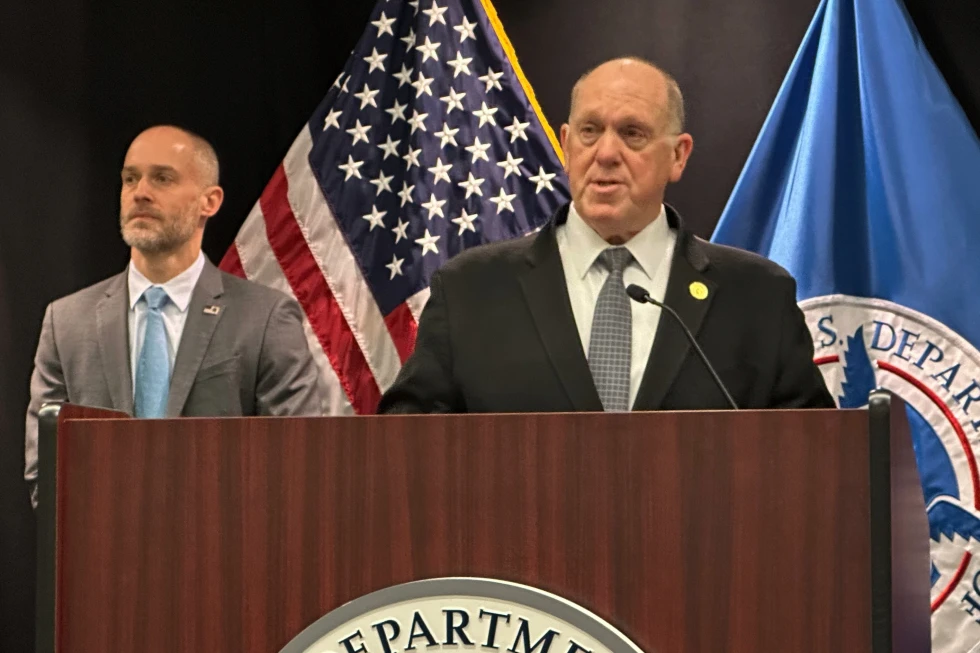
In a recent statement, Prokosch questioned why Gibson was deemed a danger if he was permitted to remain free until his next scheduled check-in, suggesting the agents' actions were overreaching. Meanwhile, Tricia McLaughlin, a spokesperson for the Department of Homeland Security, mentioned Gibson's extensive criminal history but did not clarify whether these were arrests or convictions.
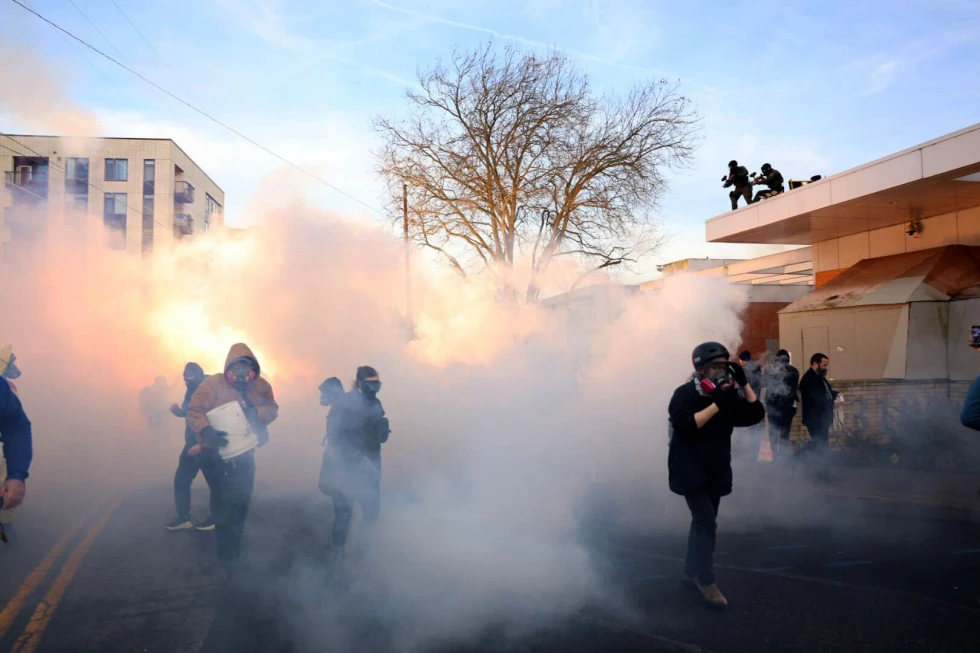
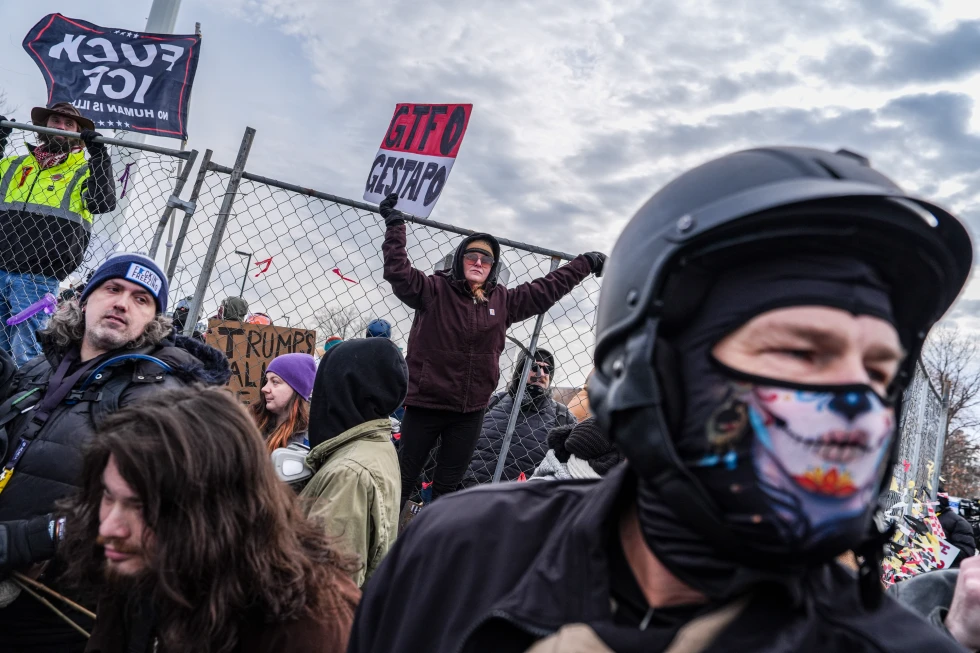
The community witnessed activists trying to warn residents about the operation, leading to confrontations where agents deployed pepper spray. With over 2,000 immigration arrests occurring since early December in Minnesota, and further federal reinforcements being sent to bolster immigration operations, the situation continues to escalate as authorities seek answers from the community regarding Good's tragic death.
The operation follows heightened tensions in the city after an immigration agent recently shot and killed a woman named Renee Good, prompting public outrage and protests against federal immigration policies. Prokosch argued that agents only possessed an administrative warrant, thus negating their right to forcibly enter Gibson's private residence.
Complicating the situation, Gibson fled Liberia as a child during a civil war and had faced removal from the U.S. due to a past drug conviction—an order that was later dismissed by the courts. Though obeying an order of supervision, which required him to meet regularly with immigration officials, his recent arrest raises serious concerns about the nature of his detainment.
In a recent statement, Prokosch questioned why Gibson was deemed a danger if he was permitted to remain free until his next scheduled check-in, suggesting the agents' actions were overreaching. Meanwhile, Tricia McLaughlin, a spokesperson for the Department of Homeland Security, mentioned Gibson's extensive criminal history but did not clarify whether these were arrests or convictions.
The community witnessed activists trying to warn residents about the operation, leading to confrontations where agents deployed pepper spray. With over 2,000 immigration arrests occurring since early December in Minnesota, and further federal reinforcements being sent to bolster immigration operations, the situation continues to escalate as authorities seek answers from the community regarding Good's tragic death.