When university student Miles Kwan launched a petition demanding answers from Hong Kong authorities after one of the city's deadliest fires last week, he was arrested.
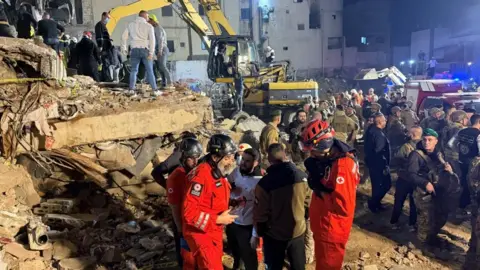
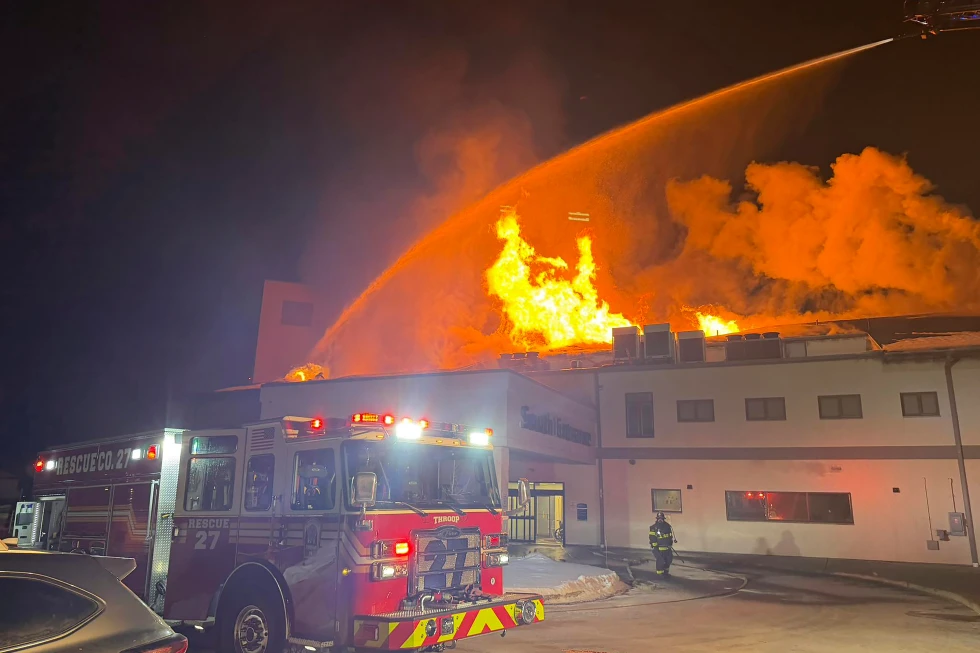
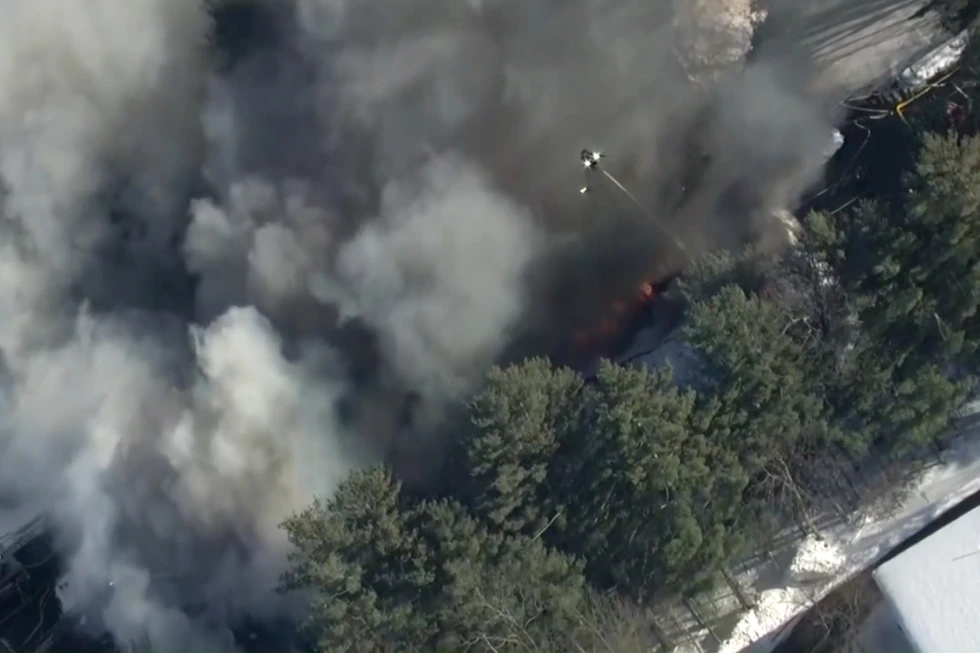
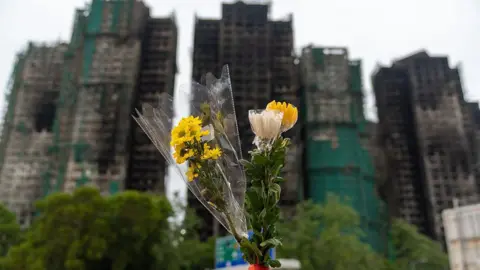
The ferocious blaze had ravaged a densely populated housing estate in the northern Tai Po district, killing at least 159 people and displacing thousands.
As public anger grew, the pro-Beijing authorities warned, repeatedly, against attempts to exploit the fire to endanger national security. Kwan was reportedly arrested by Hong Kong national security police on suspicion of sedition. He is now on bail, according to local media.
Police told the BBC that it would handle any action taken in accordance with the law and the actual circumstances. There was also a strong public reaction to the arrest, with many finding the decision baffling. Others view it as a repeat of Beijing's strategy for controlling dissent.
Ronny Tong, a member of Hong Kong's Executive Council, stated the government's approach is to be prudent, while Regina Ip defended the actions as a measure to prevent a recurrence of unrest similar to the 2019 riots.
Kwan's petition garnered over 10,000 signatures within a day and listed four demands centered on accountability and transparency, paralleling the historic protests’ slogan of demanding more rights.
Subsequent to the fire, Hong Kong's leader John Lee promised "full support" to victims and announced a forthcoming investigation, a move seen as responsive, yet many lament the need for Kwan’s arrest in the first place.
In the wake of the catastrophe, authorities also arrested 15 individuals on suspicion of manslaughter and took punitive action against those exploiting the situation. With continued government suppression of public dissent, former district councillor Kenneth Cheung noted that the tragedy demands accountability irrespective of political affiliations.
Public sentiment remains divided, with social media platforms buzzing with comments directed at the government's stringent response. Questions regarding the integrity of the building safety measures and government actions post-disaster remain at the forefront of public discourse, as Hong Kong grapples with both grief and a demand for justice.