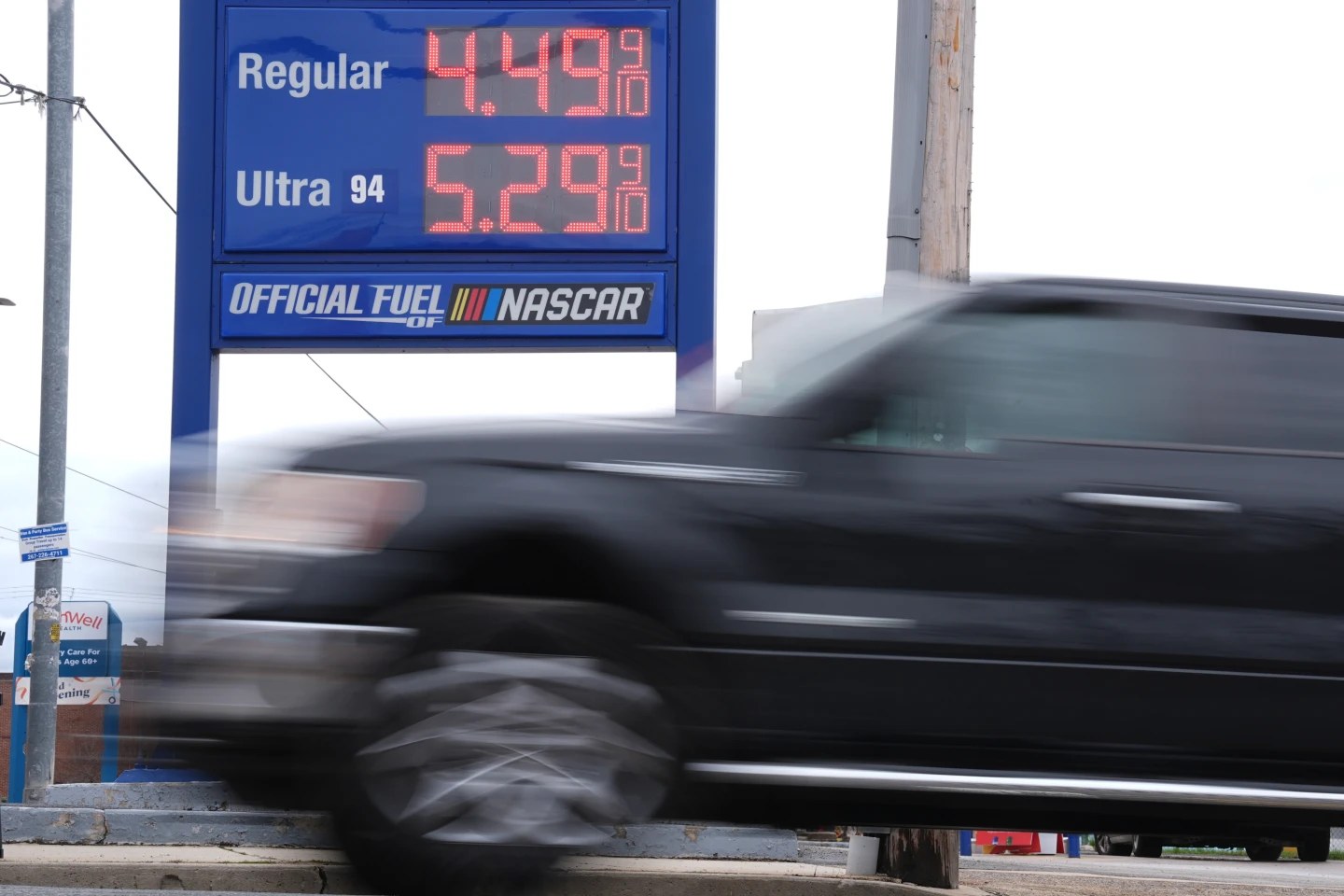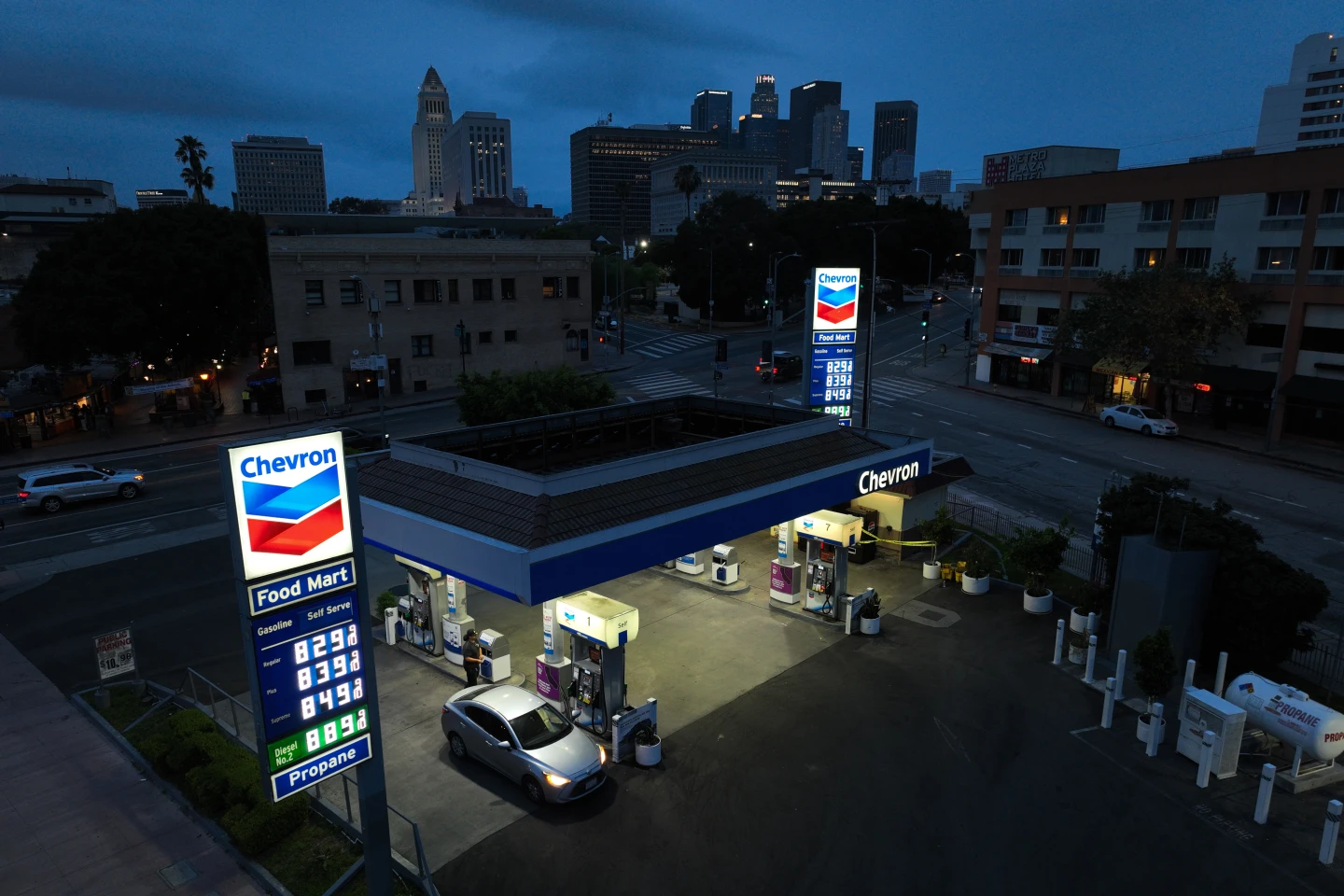
DES MOINES, Iowa (AP) — The recent upsurge in U.S. gas prices has left many drivers feeling both frustrated and financially strained. With the average cost of gas in the U.S. exceeding $4 per gallon, consumers are facing some of the highest fuel expenses seen since 2022.
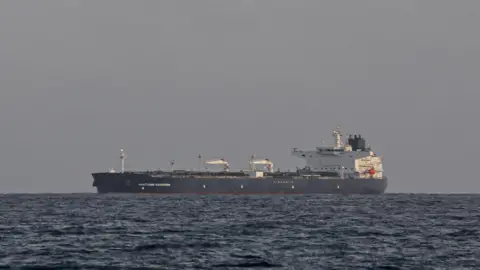
Ongoing geopolitical tensions, especially the conflict involving Iran, have contributed significantly to rising fuel costs worldwide. The instability has caused fluctuating gas prices across the nation, leading many to strategically plan their fill-ups or search for lower rates.
Experts assert that those variations in pricing aren't primarily dictated by individual gas stations but are a reflection of a volatile oil market impacting the entire supply chain, making it increasingly challenging for retailers to manage prices.
Lonnie McQuirter, director of operations for a gas station in Minneapolis, states that his profit margins have become tighter than ever. He highlighted that while his prices are currently below the metro average, the significant fluctuations require constant adjustments based on market conditions.
“We price based on what we’re able to buy fuel at, and how well we can operate,” McQuirter elaborated. However, he chose not to speculate on his competitors' pricing strategies, indicating that each operates with a different financial framework.
Amid this turmoil, McQuirter voiced concern for his customers, stating that the emotional toll of rising gas prices is palpable as many are forced to make difficult financial choices. “We are in our stores every day looking our customers in the eye. It really takes a toll when people are having to cut back to afford to live,” he said.
Factors Influencing Gas Prices
A considerable portion of what drivers pay at the pump can be attributed to external factors, including the cost of crude oil, refining fees, and taxes. Approximately half of the cost at the pump pays for crude oil, while 20% goes to refiners, and taxes account for about 20% of the price.
Prices often change rapidly based on market conditions. Gas station operators have little power over these fluctuations, similar to homeowners reacting to varying real estate prices.
Moreover, geographic disparities in prices from one gas station to another can stem from taxes, proximity to refineries, competition, and more.
As gas prices rise, the benefits tend to favor upstream companies involved in extraction and refining, although they remain cautious about potential future demand issues as high prices begin to deter consumers.