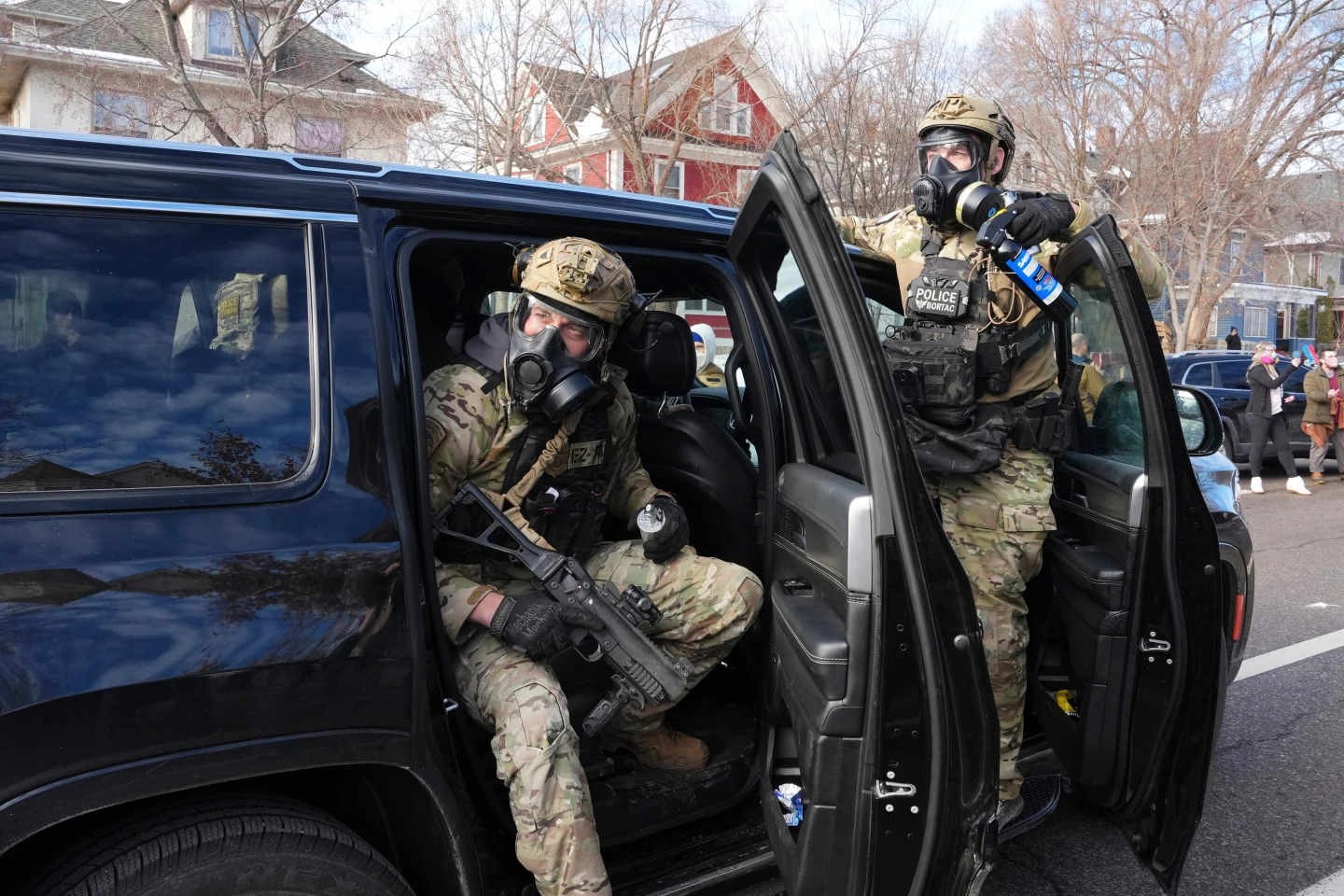
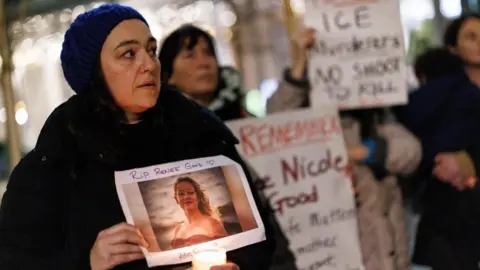
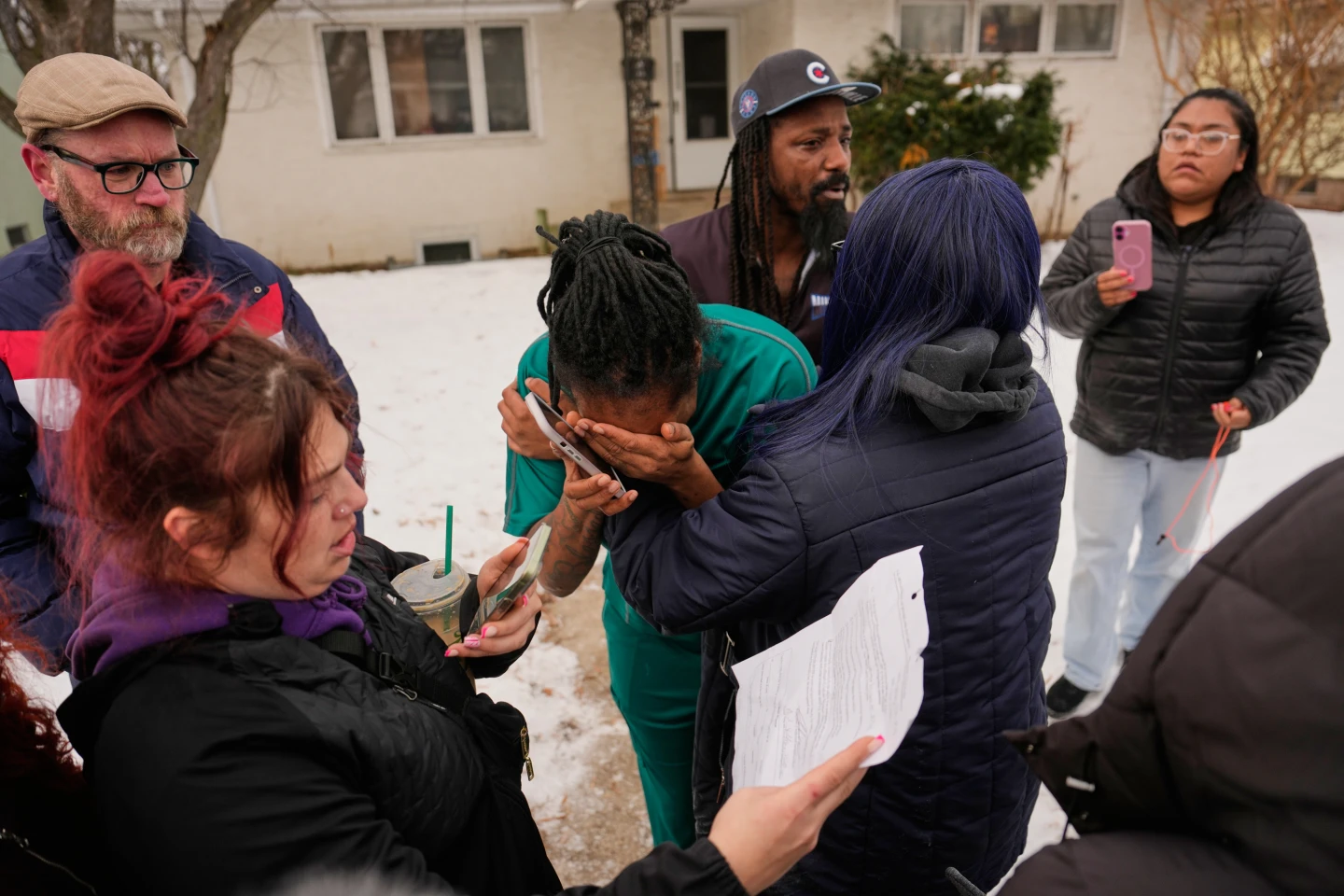
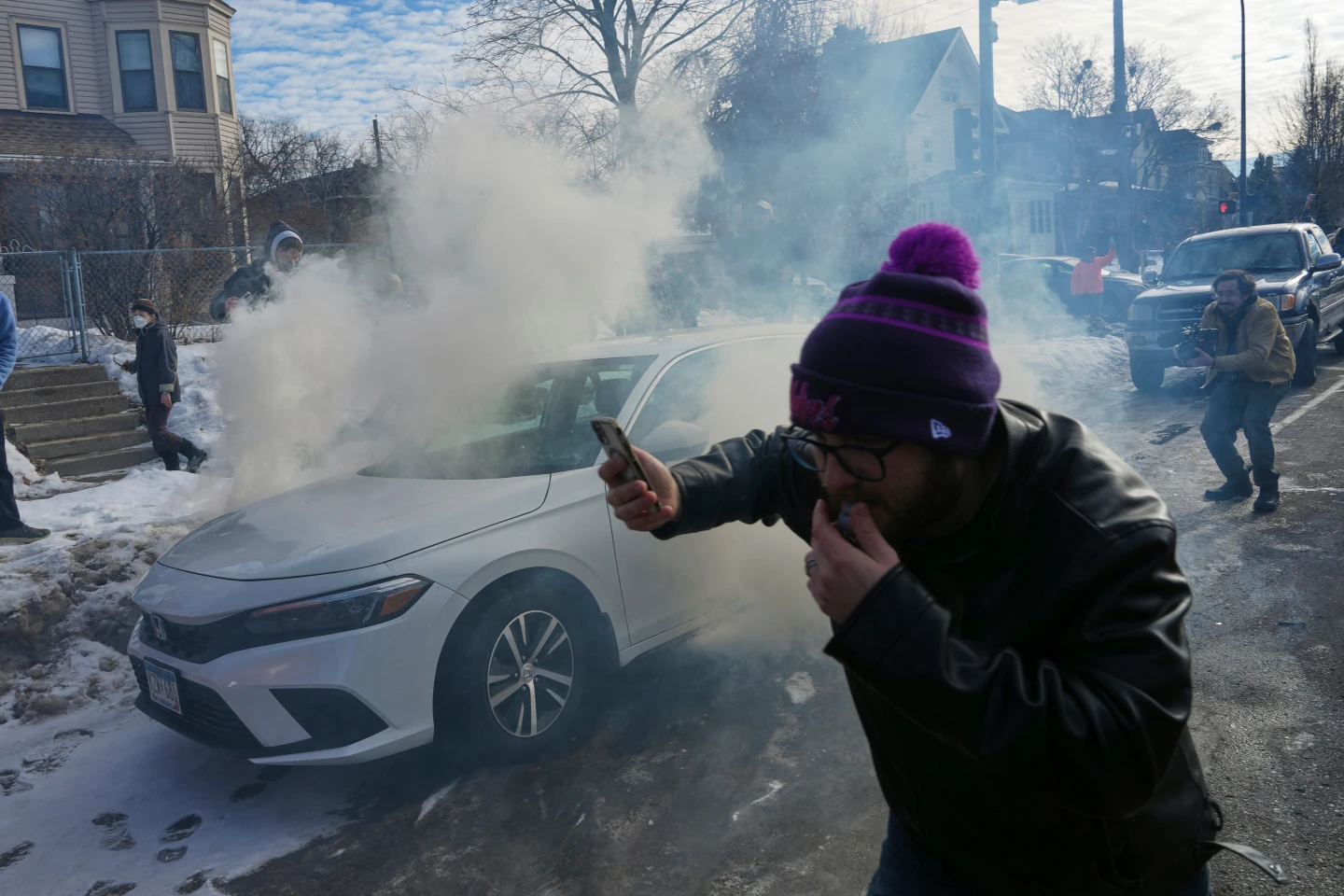
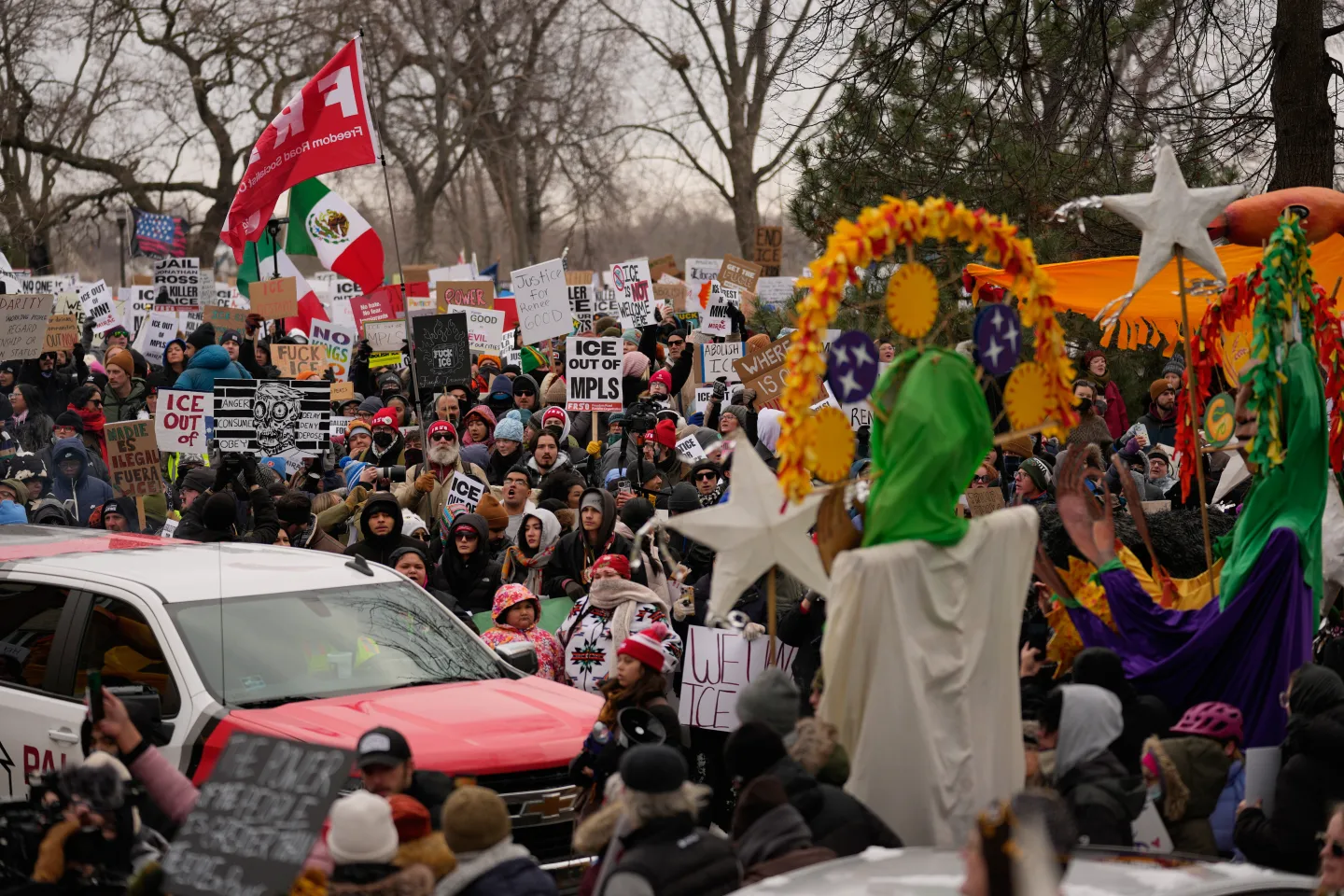
WASHINGTON (AP) — In a significant development, approximately six federal prosecutors from Minnesota have resigned, accompanied by several supervisors from the Justice Department's Civil Rights Division, amid mounting turmoil surrounding the federal investigation into the recent killing of Renee Good, a woman shot by a U.S. Immigration and Customs Enforcement officer in Minneapolis.
The abrupt resignations can be attributed to escalating tensions following a directive from the Trump administration, which has prevented state involvement in the investigation. Traditionally, the Civil Rights Division, which typically oversees such high-profile officer shootings, would be engaged in similar incidents. However, lawyers within the division were reportedly informed that they would not participate at this stage of the probe.
Among those resigning is Joe Thompson, the First Assistant U.S. Attorney known for leading a significant investigation into fraud schemes in the state. His departure is considered a notable loss among the leadership ranks within the office.
These resignations mark another chapter in the growing exodus of veteran Justice Department attorneys exiting over perceived political pressure or shifts in operational priorities under the Trump administration. Over the last year, hundreds of attorneys have left, either voluntarily or otherwise, deeply concerning those who value judicial independence.
In light of these resignations, Minnesota lawmakers, including Senator Amy Klobuchar, expressed alarm, labeling the departures a “loss for our state and for public safety.” They caution that prosecutions should remain untainted by political motivation.
The Justice Department has responded to these concerns by clarifying that the resignations of the Criminal Section lawyers had been requested as part of an early retirement program initiated long before the unfolding events in Minnesota.
The Civil Rights Division, which has a rich legacy of investigating law enforcement shootings, seems to be at a critical junction where its foundational principles and operational protocols are increasingly jeopardized under current administration policies. Previous administrations have promptly initiated and announced investigations into law enforcement incidents to assuage community fears, a practice that now appears less likely.