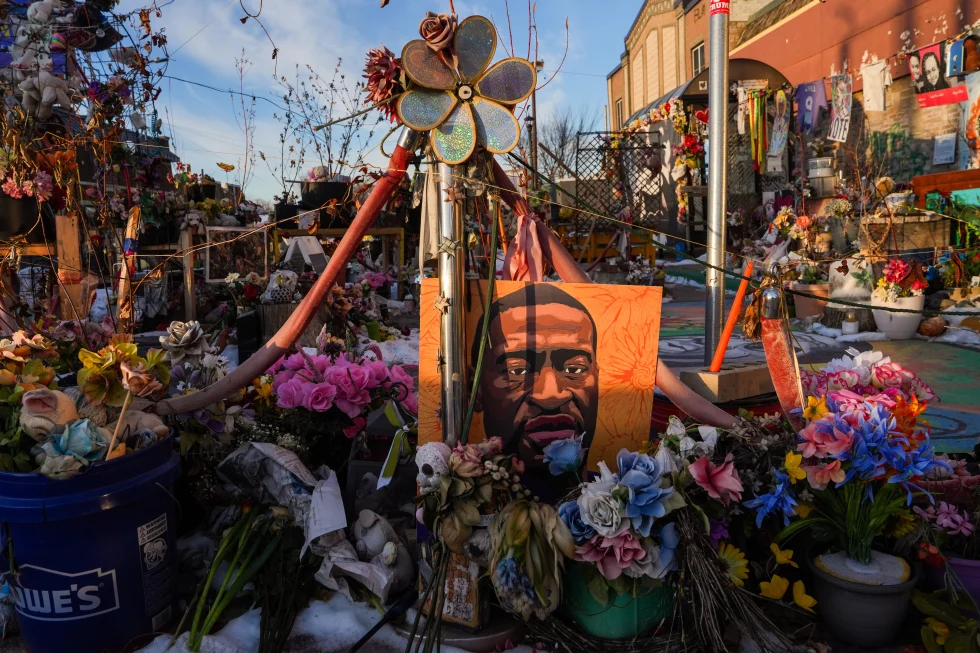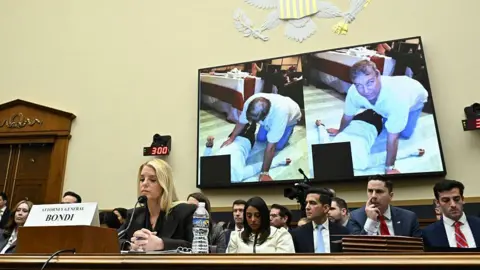
Five years ago, video images from a Minneapolis street showing a police officer kneeling on the neck of George Floyd as his life slipped away ignited a social movement.
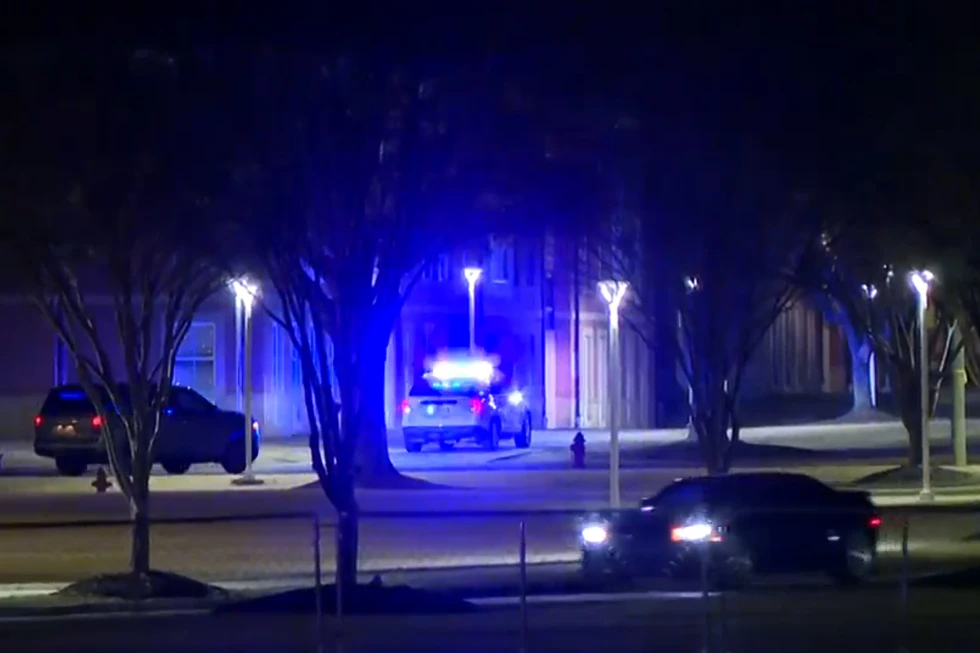
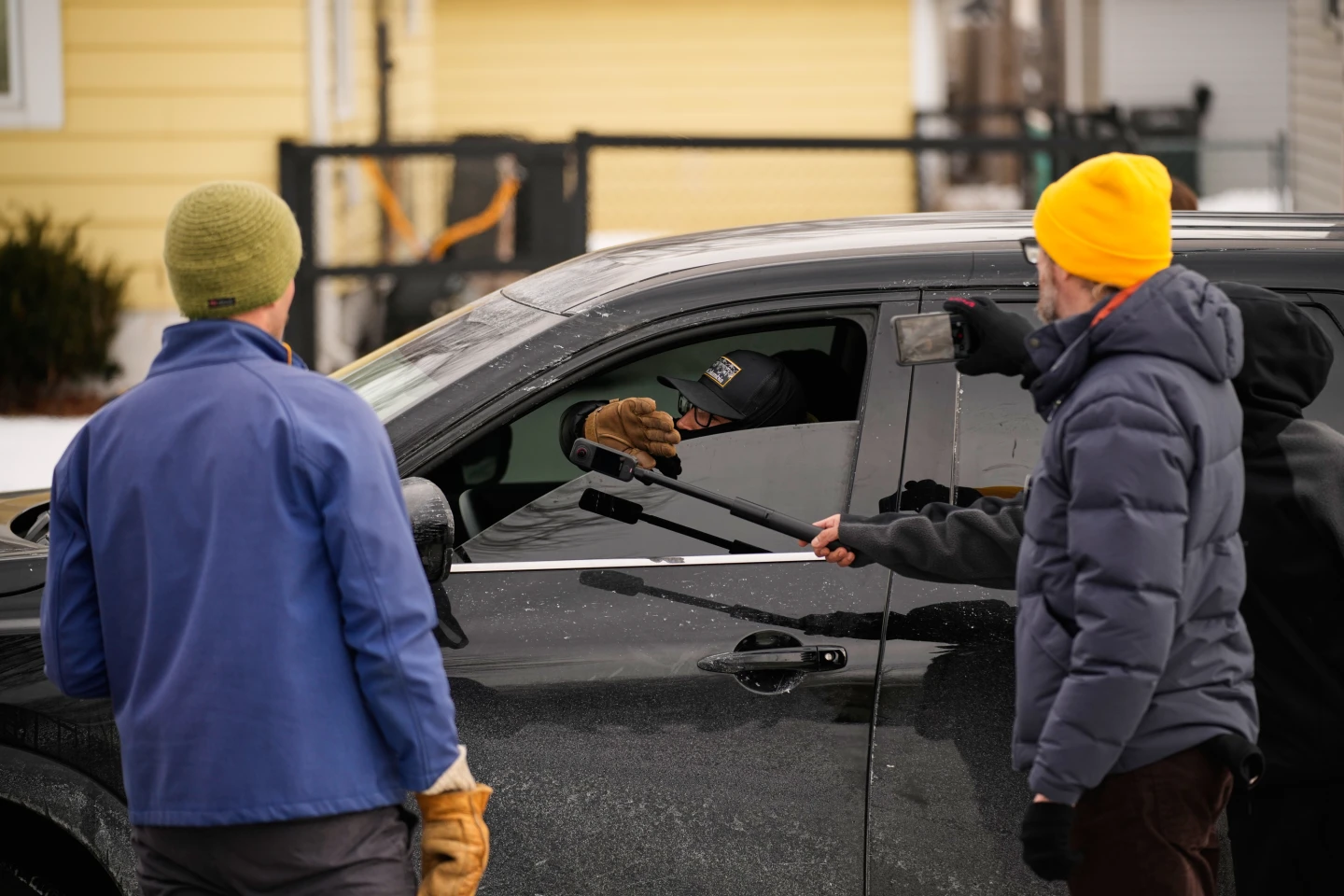
Now, videos from another Minneapolis street showing the last moments of Renee Good’s life have surfaced, prompting new discussions about law enforcement practices in America. These videos began emerging last Wednesday after ICE agent Jonathan Ross shot Good in her maroon SUV, presenting a murkier narrative compared to that of 2020 and raising questions about how visuals are interpreted in the public sphere.
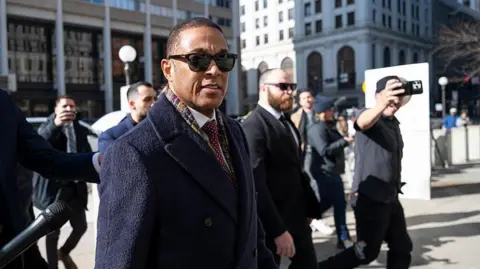
“We are in a different time,” stated Francesca Dillman Carpentier, a University of North Carolina journalism professor. This shift highlights the need to critically analyze imagery and cultural narratives.
Imagery Can Change Attitudes
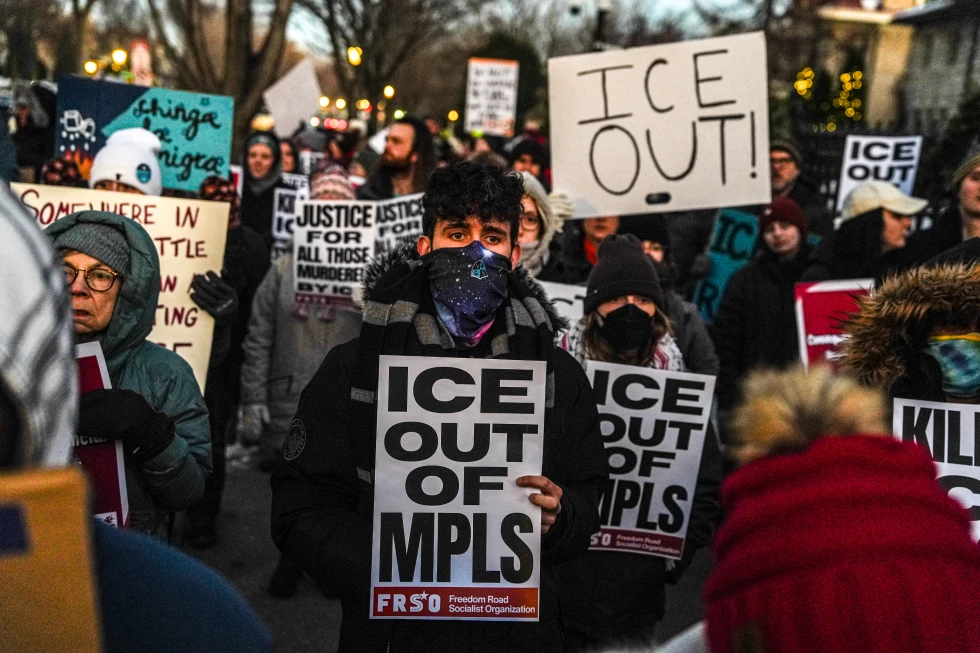
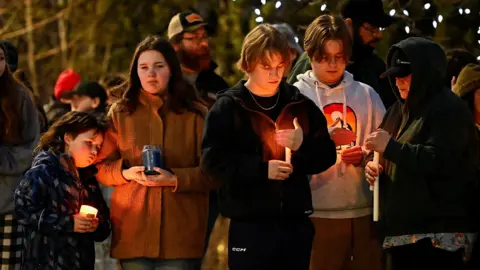
The haunting video of Derek Chauvin with his knee on George Floyd’s neck became an emblem of social justice and led to significant demonstrations against racism. While it prompted a collective awareness of cultural racism, some scholars believe the visceral responses have diminished with time.
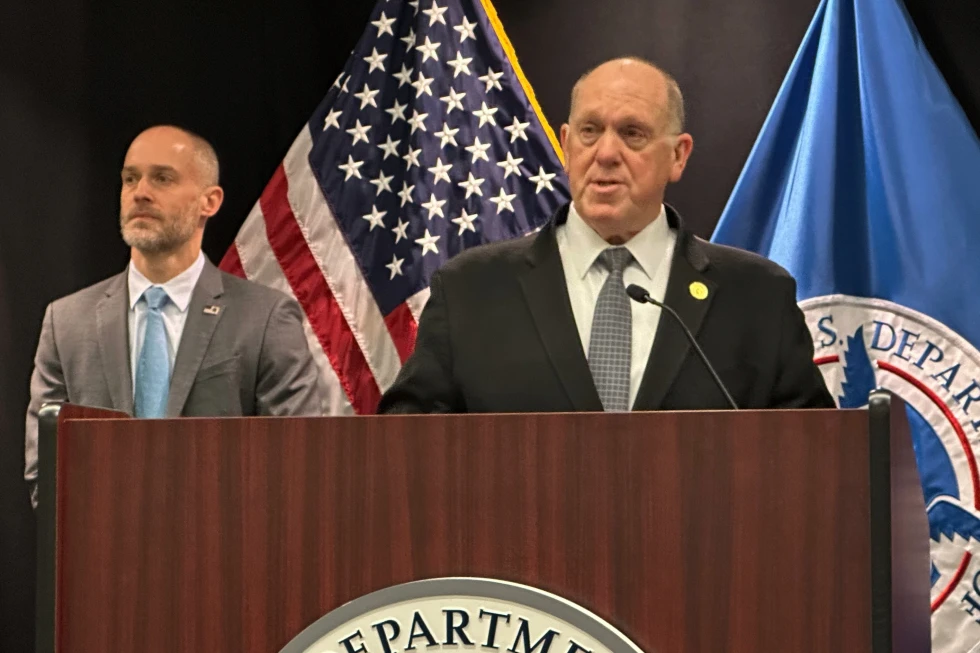
In contrast, reactions to Renee Good's shooting have varied significantly. The cultural narrative is being shaped differently this time, as experts note how different factions are reacting and interpreting the event. Homeland Security Secretary Kristi Noem labeled Good a domestic terrorist, a characterization that prominent local leaders dismissed.
Video Allows Both Sides to Interpret
Footage capturing the confrontation has yielded different interpretations on whether Good’s vehicle made contact with Ross before he fired; however, experts argue this ambiguity complicates the narrative surrounding the incident and the justification of the shooting. These two frames illustrate the challenging balance between public sympathy for law enforcement and the impact of independent analysis.
Do More Angles Provide More Clarity?
With the advent of technology, the public now has access to various angles and interpretations of the events, yet this abundance of information may contribute to confusion rather than clarity. Experts note that perceptions are often influenced by personal biases, complicating objective understanding.
Ultimately, as David Bauder notes, the rapidly evolving landscape surrounding the dissemination of images, especially with concerns over AI-generated content, poses further questions about authenticity and the public's ability to trust what they see. As society continues to grapple with these issues, the potential for desensitization to violence in imagery may influence future discourse on law enforcement practices.