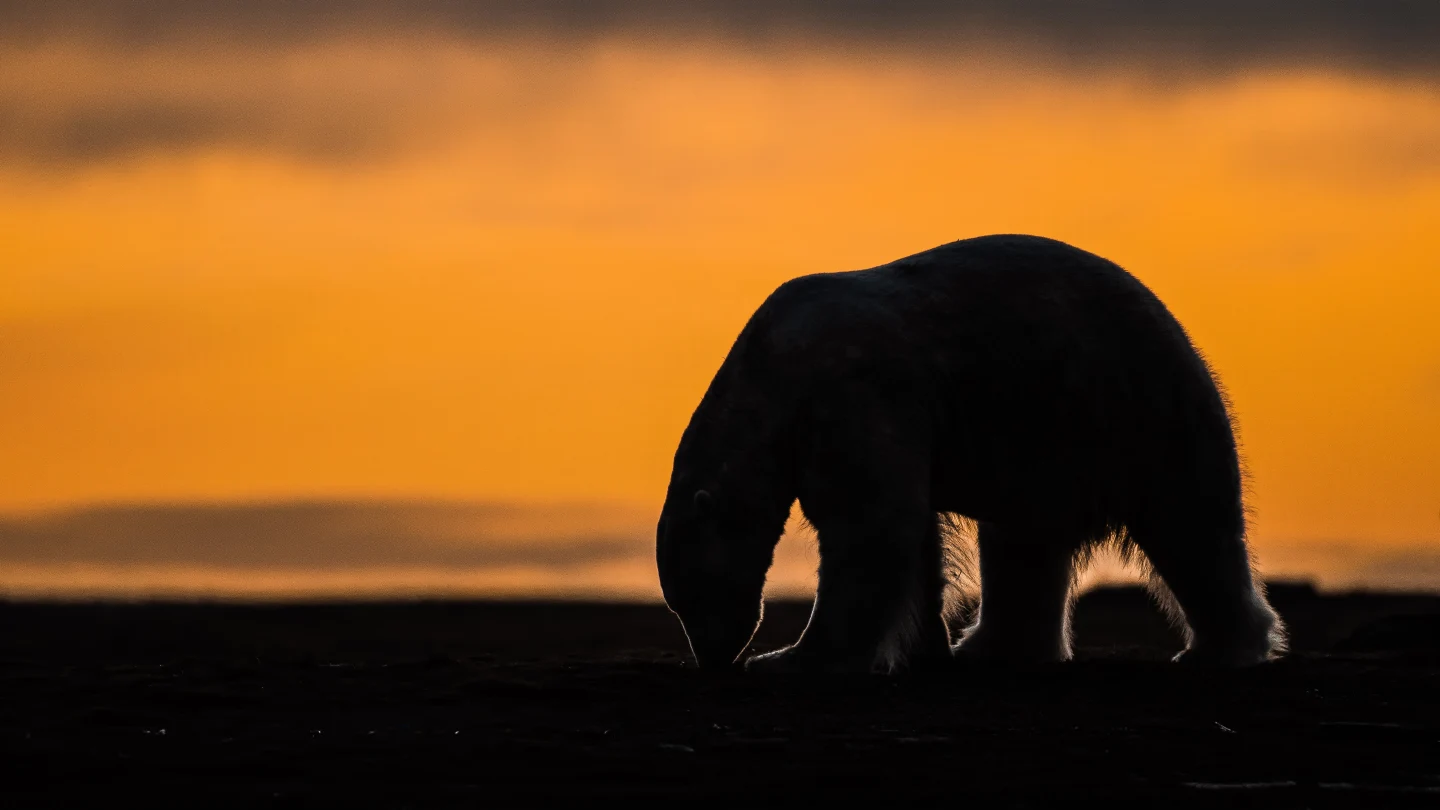
Each year, Kaktovik, Alaska, sees polar bears congregating to feed on whale carcasses, attracting tourists eager to witness these majestic creatures. However, the COVID-19 pandemic paused this booming eco-tourism, revealing pressing concerns about the impact of visitors on both the bears and the close-knit community.
With the Federal government halting tours to protect the bears from stress caused by human interaction, local leaders are now advocating for a responsible re-opening of polar bear tourism, which has the potential to significantly bolster Kaktovik's economy.
“We definitely see the benefit for tourism,” Charles Lampe, president of Kaktovik Inupiat Corp, stated, emphasizing the need for a structured approach to avoid past mistakes. This time, he insists, any development must include measures to protect both the bears and the village residents who had often felt overwhelmed by the influx of tourists.
In the past, Kaktovik became a hotspot for visitors wanting to see polar bears in their natural habitat, especially after the 2008 designation of polar bears as a threatened species. The town's natural allure, combined with its rich cultural backdrop, drew increasing numbers of tourists seeking to experience polar bear viewing.
However, as tourism numbers peaked, small-town life faced significant challenges. Residents reported feeling overwhelmed as larger, outside tour operators began to dominate the local landscape, often transporting tourists from the larger cities for brief visits. This resulted in logistical strains and a sense of intrusion.
Now, Alaska Native leaders are negotiating with the U.S. Fish and Wildlife Service to set forth adjusted guidelines for a sustainable tourism model that respects wildlife behavior and enables locals to retain control over their community's interactions with visitors.
Included in the proposed adjustments are restrictions on how long boats can linger near the bears, aiming to maintain a healthy distance between wildlife and human activity. This responsive model focuses on education for visitors, ensuring they understand local customs and conservation practices.
Looking ahead, Kaktovik's leaders envision a tourism experience that honors both their cultural heritage and the natural environment, allowing visitors to engage meaningfully with the local way of life while prioritizing the safety of all involved.