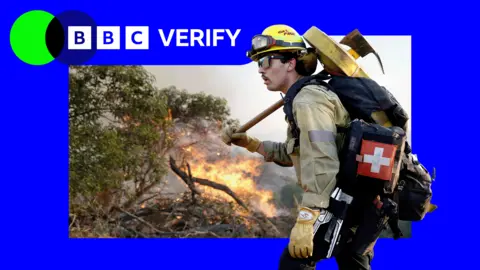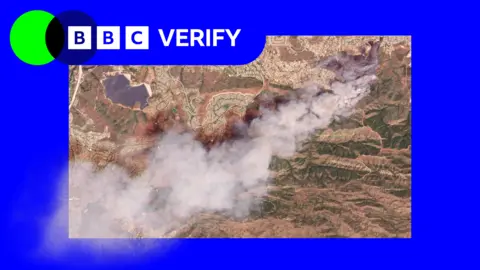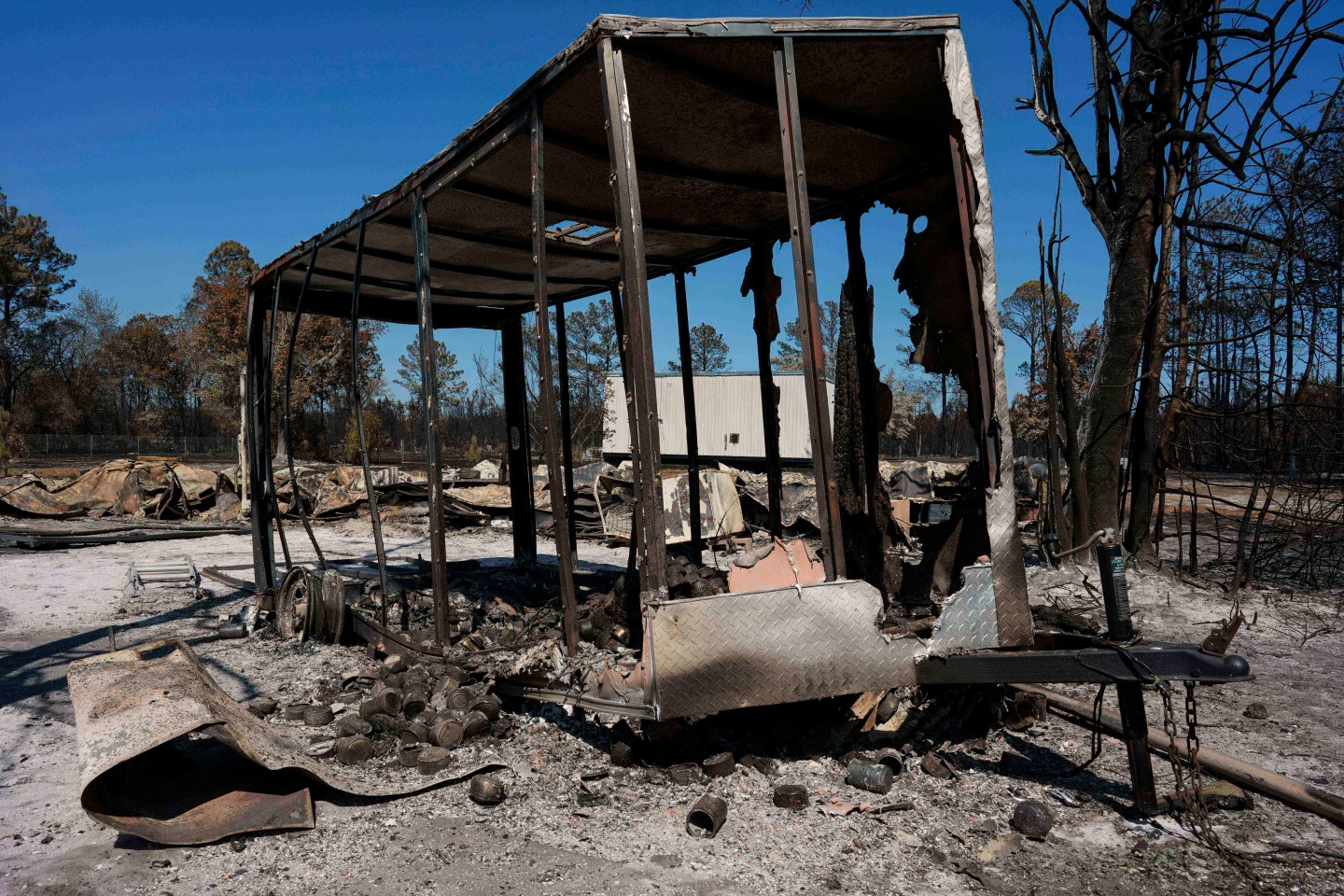
Traditionally perceived as a western problem, wildfires are becoming an alarming trend in the Eastern United States. A recent wildfire in Georgia resulted in the destruction of over 50 homes, highlighting the urgent need for awareness and action on this issue.
Experts attribute the intensity and frequency of wildfires to several factors, including climate change which makes vegetation more flammable, extraordinary drought conditions, and the presence of dead trees left behind from Hurricane Helene.
Data from the National Interagency Fire Center indicates that nearly 2,802 square miles have been scorched this year, which is an 88% increase over the last decade's average.
Fire scientist Mike Flannigan states, 'The warmer we get, the more fire we see. Longer fire seasons, and drier fuels are leading to more severe blazes.' This trend is particularly concerning for the Eastern U.S., with new studies revealing that the area is experiencing increasingly severe fire conditions.
Research from the University of Florida shows a significant increase in the number of large fires and land affected by wildfires from 1984 to 2020 across the Southeast.
As more fires encroach upon populated areas, the concept of the wildland-urban interface (WUI) indicates that communities are increasingly at risk. Approximately 45% of large wildfires in the East occur within this interface, where forested areas abut urban development.
Moreover, the aftermath of Hurricane Helene has been particularly problematic. Recent statistics reveal that around 26 million tons of pine were downed in Georgia alone, creating an excess fuel load that is a 'ticking time bomb' in terms of potential fire outbreaks.
As we adapt to these changes, improving fire research networks and mitigating factors contributing to fire risks are imperative. The Eastern U.S. must evolve its fire management strategies to tackle this emerging crisis effectively.