Tanker U‑turns amid Houthi Embargo
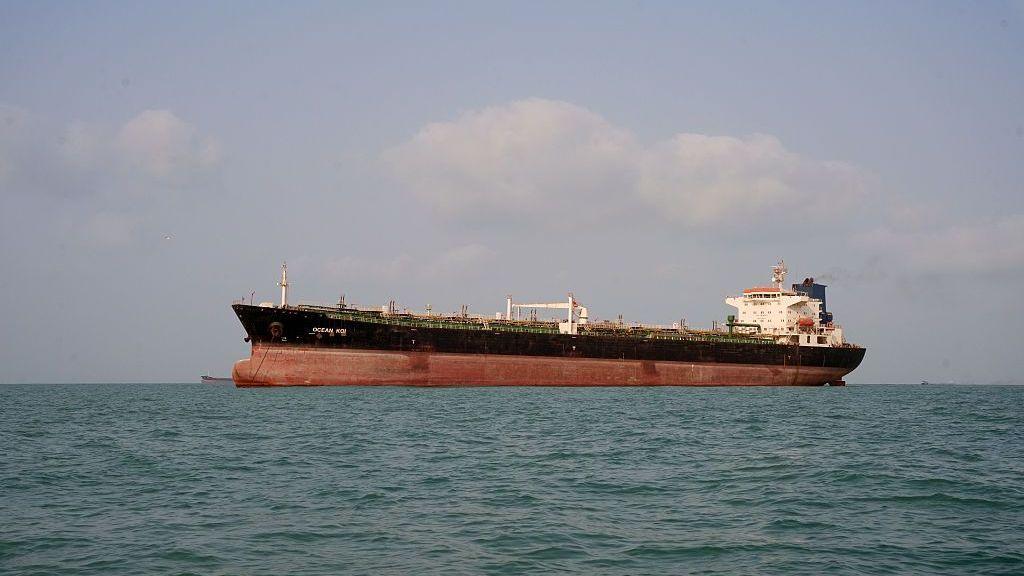
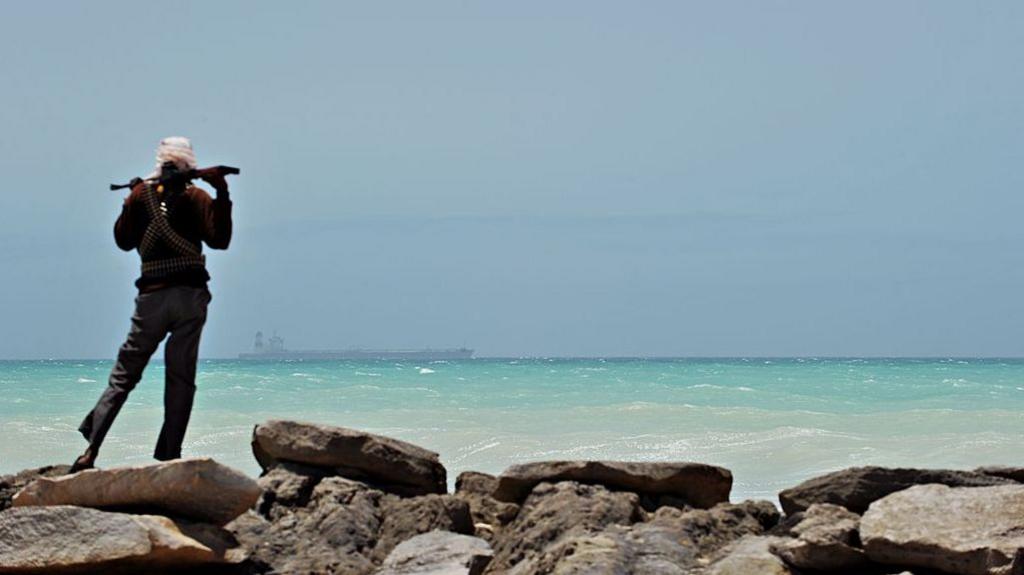
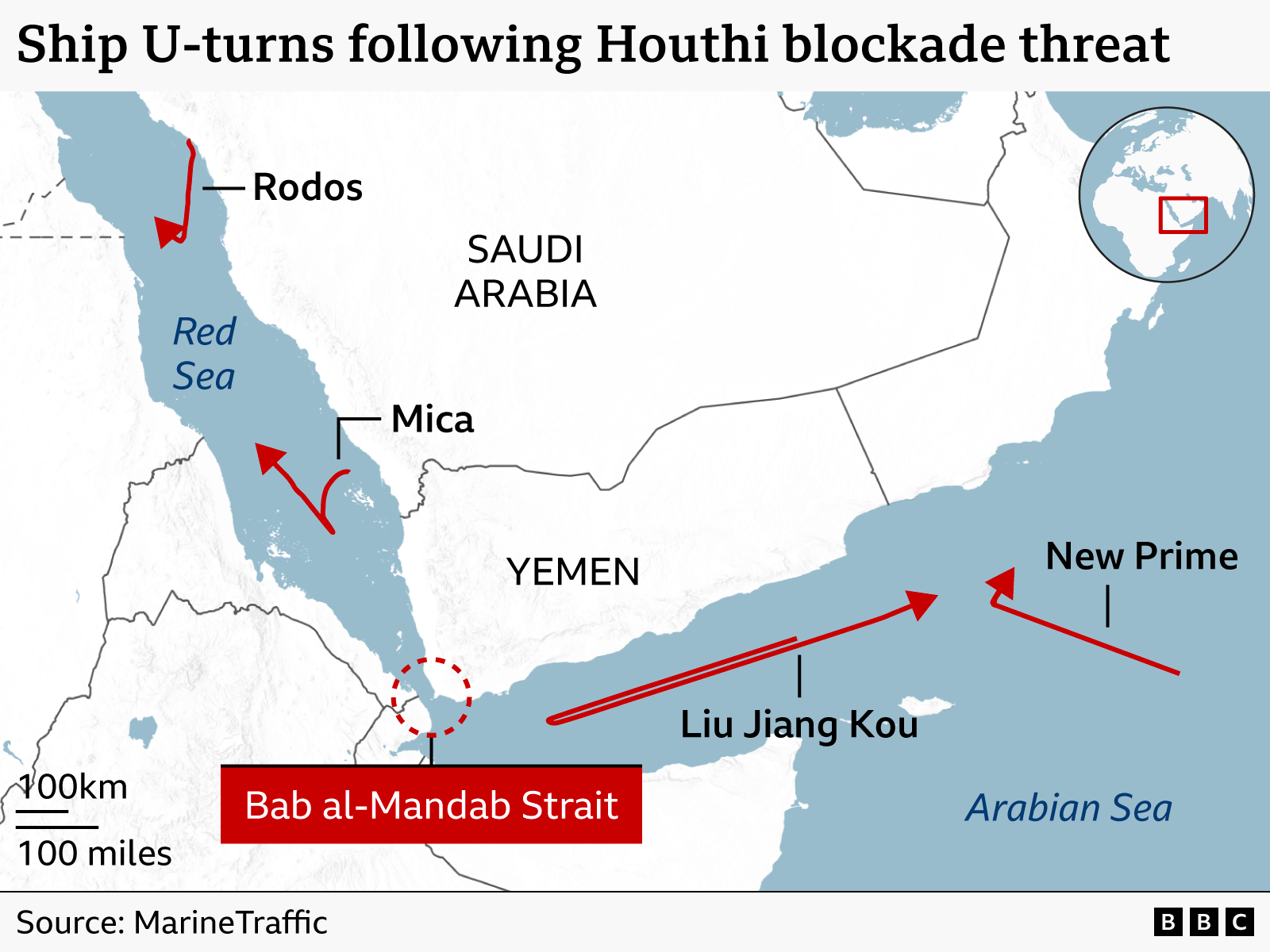
When the Iran‑linked Houthi movement announced a maritime embargo on Monday, at least seven cargo vessels, mostly oil tankers heading to or from Saudi ports, abruptly reversed course within one to two hours of the announcement.
MarineTraffic data shows the Liberian‑flagged tanker Rodos loaded with Saudi crude did a 180° turn in the Red Sea after leaving port al‑Muajiz, while the oil and chemical tanker Mica mirrored the move from Jazan. Several other vessels diverted from the Bab al‑Mandab Strait in the Gulf of Aden, with the Marshall Islands‑flagged carrier Liu Jiang Kou and the Hong Kong‑flagged tanker New Prime also heading back toward the Arabian Sea.
Why the Red Sea is Critical
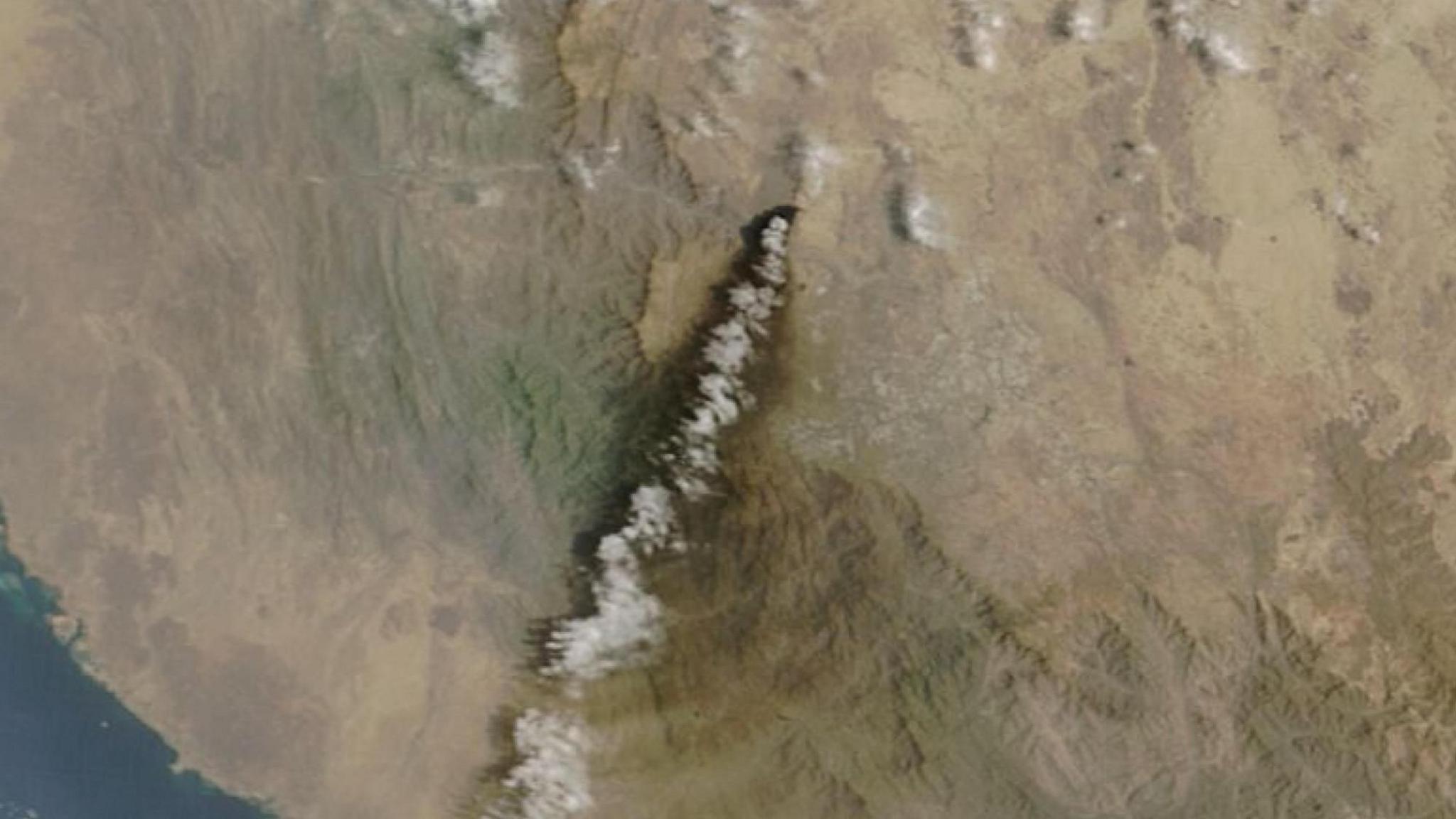
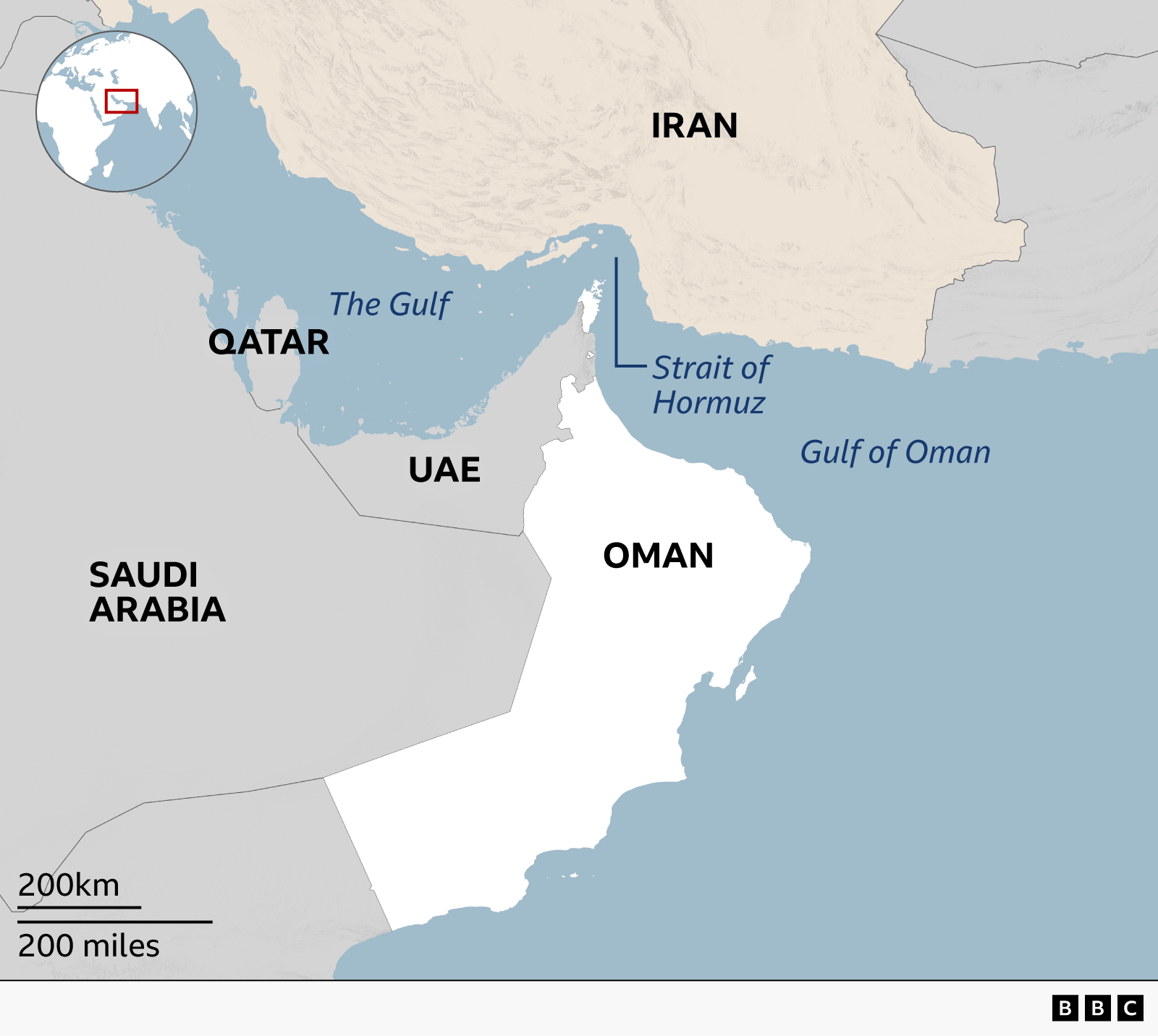
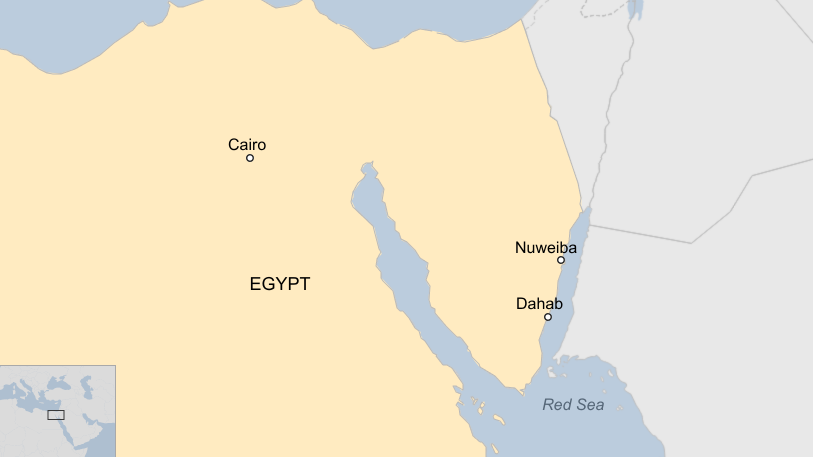
Nearly 15% of global maritime trade crosses the Red Sea, a waterway that links the Mediterranean Sea through the Suez Canal to the Gulf of Aden. Since the closure of the Strait of Hormuz, Saudi Arabia has diverted over 70% of its crude exports to the Red Sea port of Yanbu, a shift that has already increased the volume of oil passing through the Red Sea by more than four‑fold in recent weeks.
Potential Impact of a Bab al‑Mandab Blockade
Defense Priorities think‑tank analyst Rosemary Kelanic warns that a further tightening of Houthi targeting could elevate freight costs, widen global oil spreads, and ultimately raise energy prices for consumers. Senior oil analyst Naveen Das notes that although the pressure might last a few weeks, continued blockage would force shipping companies to detour around the Cape of Good Hope, adding latitude and cost to transportation of Saudi crude.
Evolving Safety Precautions
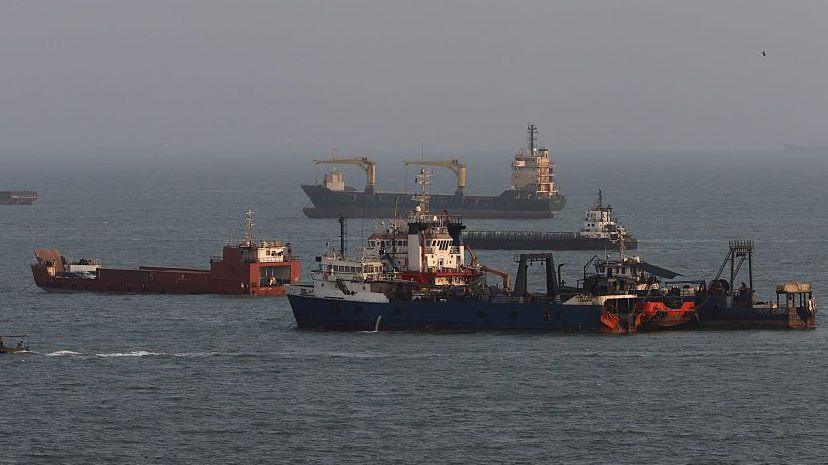
In response, at least 50 vessels are broadcasting the presence of armed guards on board—a common practice following Houthi attacks during the Gaza war. Risk‑management experts echo concerns that large crude carriers could become prime targets, with potential losses in lives and cargo.
Broader Conflict Context
The Houthis, who took control of Yemen’s capital Sanaʽa in 2014, have been in a trade‑blockade‑triggered cycle with Saudi Arabia since a 2022 truce, punctuated by missile attacks on each side. Houthi claims that the embargo is retaliation for Saudi interference in Yemen’s ports and airports—a scenario that could widen the port‑backed conflict to involve maritime commerce once again.
Additional reporting by Barbara Metzler.