On 11 June 2026, the tiny village of Begusarai in Bihar faced a newly horrific incident that forces us to rethink how rural Indian society protects (or fails) women. 28‑year‑old Soma, a mother of four, was raped in her own home when five men burst into her un‑locked bathroom and used a bullet casing as a weapon. According to her account, the attackers ganged her, gagged her, tied her hands and physically assaulted her while she tried to fight back. The attack was brutal enough that a bullet casing was later found inside her, potentially a weapon used against her.
Police were slow, with the local station head refusing to file an initial complaint and only offering medical guidance. It was only after Soma’s husband requested help that the police raided the scene, arrested two of the men and opened a Special Investigation Team that their investigation continued. The household’s only medical treatment was initial care at a community health centre before the victim was sent home; a local town clinic denied her care because it operated without a doctor on duty.
Soma’s story echoes the national outrage that surged following the 2012 Delhi “Nirbhaya” gang rape. The original case, which sparked the current anti‑rape laws, saw a 23‑year‑old physiotherapy student violently assaulted with objects, including a bullet shell that made headlines. The more than 30,000 rape cases reported each year in India still point to a broader question: why are women living in small towns still subject to severe violence, and why are police and hospitals in these desperate situations reluctant to intervene?
The backlash surrounding this Bihar case—voters, activists and journalists who now press for accountability—has fueled a renewed conversation about the state and federal response to sexual violence in India. Thus, by highlighting the failures in Begusarai, citizens can push for more concrete measures and an overhaul of how victims receive justice.
The case also demonstrates the powerful role of citizen journalism. In a country where women’s voices often drown in systemic apathy, community‐based reporting helps bring fresh stories into the national conversation, raising awareness and demanding change. As the trial proceeds, the nation watches closely. The hope is that the story of Soma, and this new wave of community‑driven evidence, will help India confront the gaps that allow such atrocities to continue.
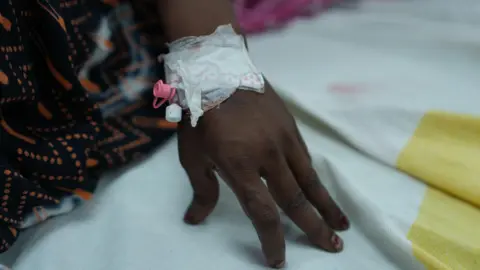
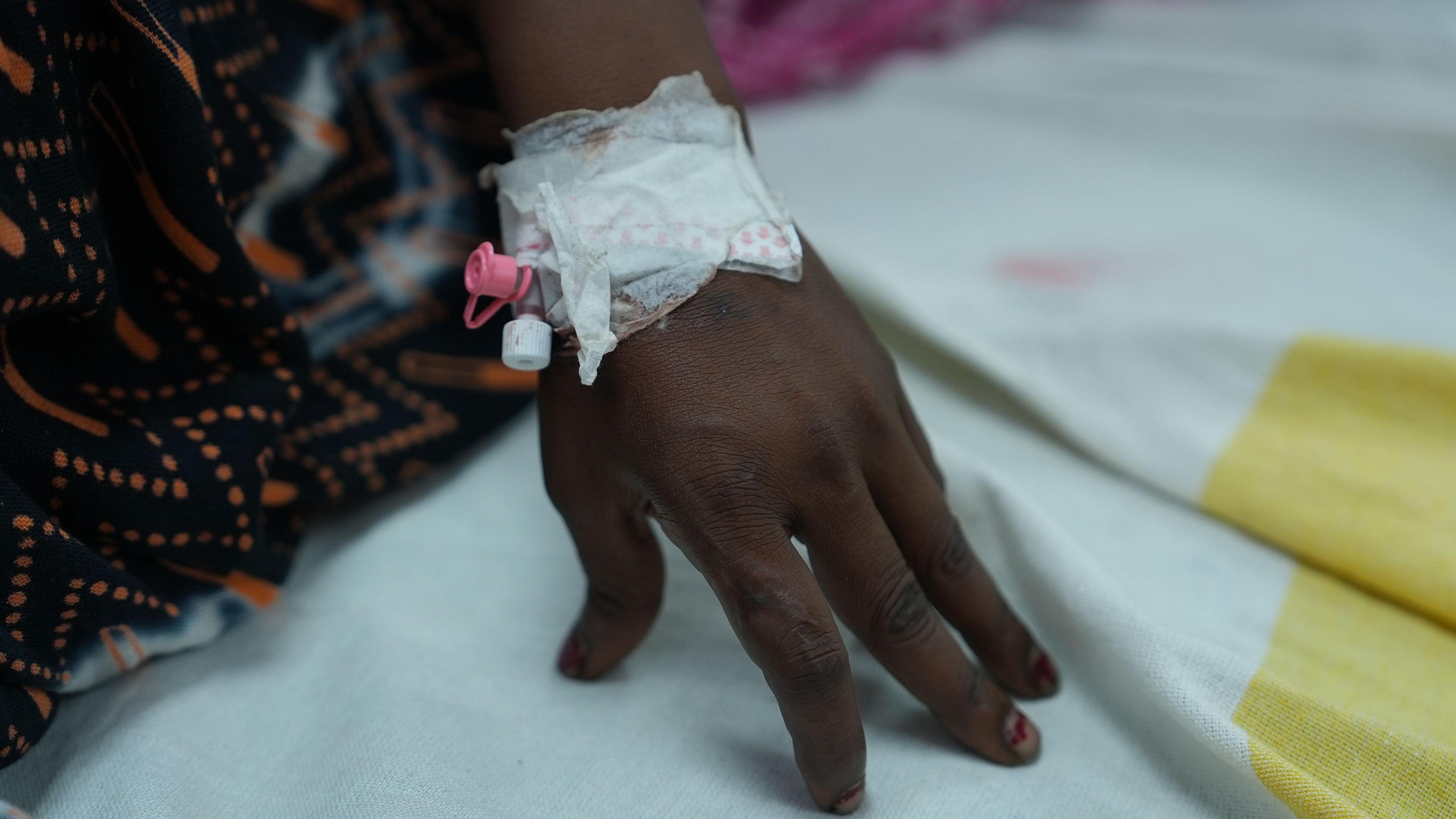
Illustration: Soma – a victim of the Begusarai gang rape – in the hospital after medical team confirmed the assault and removed objects. (Credit: BBC)