Telegram Battles Indian Ban Ahead of NEET Exam Re‑test
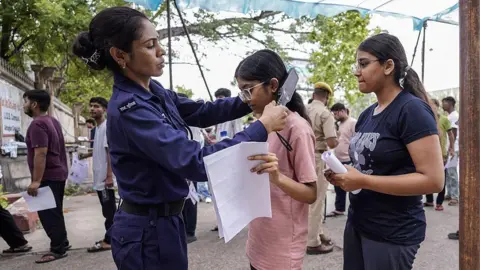
The Indian government has temporarily blocked access to the messaging app Telegram on June 21, amid fears the platform could spread leaked National Eligibility‑cum‑Entrance Test (NEET) papers ahead of the exam’s scheduled re‑test on Sunday.
Government’s Grounds for the Ban
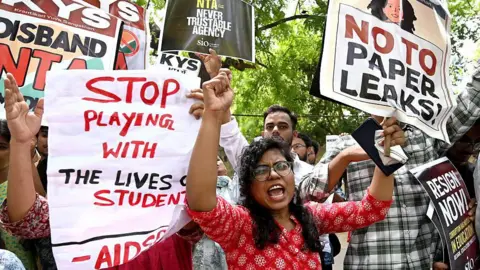
According to officials, the ban is designed to protect the exam’s integrity after last month’s test was cancelled due to an alleged paper leak that resulted in multiple arrests and protests across the country. The move was justified under India’s Information Technology Act, which allows authorities to block online platforms “in the interests of national sovereignty and integrity.”
Telegram’s Legal Response
On June 22, Telegram filed a case in the Delhi High Court challenging the ban. The company’s lawyers presented their arguments early Wednesday, and the judge agreed to hear the case later in the day.
Telegram CEO Pavel Durov described the measure as a “mistake” that would punish millions of legitimate users. He said the platform has already removed hundreds of channels that shared leaked exam materials, and urged authorities to focus on the real culprits.
Durov’s Public Statements
"Banning it – even temporarily – is a mistake," Durov wrote on X, adding that the platforms used for cheating had already moved on to other services. He highlighted Telegram’s role in labeling edited content and helping prevent scams.
Impact on Students and Educators
Telegram has more than 150 million active users in India, many of whom rely on large public groups for study materials and updates. The ban has caused inconvenience for students who depend on the platform for “legitimate personal, educational, professional and informational purposes.”
Political and Public Reactions
Opposition leader Mallikarjun Kharge called for Prime Minister Narendra Modi to pressure the Education Minister to address the situation, while others urged that the ban should target the leak’s perpetrators, not users. Protesters at the National Testing Agency’s offices carried placards and warned that online platforms could face similar future sanctions.
Future of Digital Censorship in India
This is the first time the Indian government has blocked a mainstream app under the IT Act. Critics argue that if cheating can be conducted on WhatsApp or Discord, why not also block those? The debate has highlighted the tension between protecting academic integrity and safeguarding digital freedom.
The high court hearing remains tomorrow, and students across the nation await the outcome, as the NEET re‑test approaches and the country hopes for cleaner, more secure examination processes.