In brief
In 2025, ICE’s detention facilities witnessed an unprecedented wave of suicides—over a fifth of 51 deaths in custody in a single year. A deep‑down investigation into Brayan Rayo Garzon’s tragic death and ten other cases reveals missed screenings, delayed treatment, inadequate monitoring, and widespread protocol violations that keep a vulnerable population at risk.
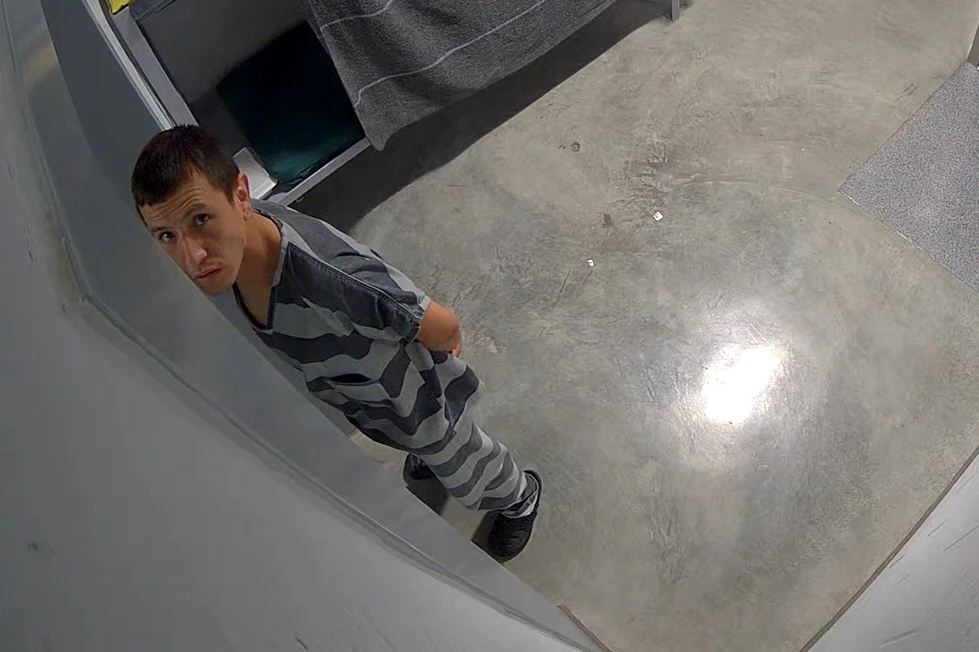
Brayan Rayo Garzon was four‑days into isolation in a Missouri jail when he lost consciousness and was found dead. An autopsy found he had taken his own life. The moment of panic was preceded by a refusal from staff to allow him to make a nightly call to his mother—a safeguard meant to curb the spread of COVID‑19. His handwritten plea to speak to her, written in Spanish, was simply collected by a guard and discarded.Rayo’s death is not an isolated tragedy. A comprehensive AP investigation, backed by federal data, shows that 10 men have died by suicide in ICE custody since the Trump presidency began in January 2025—far more than the single‑digit counts a decade earlier. Seven of those 10 had no record of violent crime in the United States. The victims, most of whom were Hispanic men with an average age of 32, came from Mexico, Guatemala, Honduras, and even China.Public‑health experts see the rise in suicides as a symptom of a deeper failure. Epidemiologist Dr. Sanjay Basu of UCSF warned that the sudden spike was “one of those alarming, sudden increases” that calls into question how ICE operates under the intense pressure of Trump‑era deportation trumpets.ICE’s own statements emphasize rarity. DO‑S acting assistant secretary Lauren Bies says suicide is “extremely rare” and that staff receive yearly suicide‑prevention training. Yet the evidence points to systemic gaps. Review of inspections, death records, and autopsy reports found that ICE facilities repeatedly failed to meet their internal standards—delayed mental‑health referrals, failed to secure potentially harmful items, and in some cases cracked down on inmates in isolation rooms that may heighten humiliation and hopelessness.The policy sprawl at ICE is part of a larger trend. The detained population surged by 50‑60% during Trump’s second term, reaching 60,000 across the country. Facilities ranged from county jails partnered with ICE, to private‑for‑profit operators like CoreCivic and the GEO Group, to “trial” camps run by inexperienced contractors. In every sector, the same operating flaws emerged.Breaking down the cases reveals a pattern. Rayo’s own death story began in a Missouri jail: the Phelps County facility, which had just started taking ICE detainees, took 35 hours to perform the mandatory 12‑hour medical screening. A nurse who did not speak Spanish sketched a “handheld translator” assessment that Jonned Rayo’s mental state as unable to self‑harm, but the nurse later complained that Rayo’s verbal cues suggested anxiety and a desire for mental‑health support.After being diagnosed with COVID‑19, Rayo was moved into a cinderblock isolation cell and no longer allowed phone calls—a standard measure to curb viral spread. Within hours, the guards found him in a suicide position. Clerical delays in setting up a scheduled mental‑health visit—even when there was a clear sign—contradicted ICE’s own requirement for treatment within a week of referral.Similar stories echo across the West. Leo Cruz Silva, a 34‑year‑old immigrant who crossed the Mexico‑U.S. border multiple times, was found in a Missouri jail after weeks of screaming, hiding under his bed, and reporting hallucinations. He had not received the antipsychotic medication that a nursing staff was poised to give, and he was later found dead.A 36‑year‑old restaurant worker who had been deported to a Texas camp was engaged in a suicide attempt the night before, but the staff left him in a shower stall that could have been a safe space, yet ended up as a location where he hanged himself.The cause can also be found in lost communication. Chaofeng Ge—at a Pennsylvania GEO‑Group facility—arrived with a mental‑health crisis but nowhere in the facility could speak Mandarin. He was unable to get help, and within five days of detention he was found dead in a shower—no one had monitored him.Through these reports, one thing became clear: ICE is responsible for the lives it takes into custody, and that responsibility is not simply to count or hold. When a detainee is identified as a risk, the system ought to have robust measures in place, including immediate mobilization to a mental‑health professional, a modern inventory of self‑harm tools, and continuous monitoring that does not involve isolation without clear therapeutic purpose.When various private‑contractors and county jails fail to meet these standards, their zero‑acumen can result in a death that could have been prevented. The facilities that saw the greatest number of deaths—coreCivic and GEO Group-operated centers—reported 5 and 6 deaths respectively. Two other deaths took place in sheriff‑run jails; one occurred in a federal prison.The policy regime tied to Trump’s “aggressive deportation strategy” also contributed to the crisis. The numbers of ICE detentions doubled from 211,000 in 2019 to 526,000 by 2025, creating overcrowded conditions in which a single oversight lapse can lead to crisis.As the investigations hit these high‑profile deaths, federal inspections found 49 violations of ICE standards in one of the largest detention centers in February 2026, including failure to check for suicide risk and unsecured equipment that could be used for self‑harm.One CBC anchor, Dr. Homer Venters – formerly NYC’s chief medical officer – called the spike “terrifying.” He noted the failure was not merely a lack of resources but a failure in how the system’s first stages were set up: the arrival screening was the first line of defense that was not implemented effectively.ICE’s response has been largely defensive. Supreme‑Court‑approved subpoenas to ICE and the Department of Homeland Security have resulted in statements that the agency believes the system provides “high‑quality medical care” and segregates high‑risk detainees. Yet the evidence—both internal documents and external investigations—repeatedly status the health policy and “protocol adherence” in question.The men who died by suicide—whose stories are as varied as they are tragic—collectively expose monumental shortcomings in a prison system that is already critiqued for its harshness. From the initial moments of arrival, to the screening process, to the isolation that was intended to protect staff and inmates alike, the same pattern emerged: the risk was not adequately addressed.The public‑health and public‑law implications are stark. If parole and deportation policies send a storm of migrants into detention, the system must at least keep them alive. The current data suggest that about 5% of ICE women and 9% of men die by suicide in custody, far higher than any comparable or non‑immigration setting.These tragedies heighten a debate: what responsibilities should a non‑criminal detention center exercise? In theory, ICE detention is not punitive; it “not only detains people but also tries to help them resolve their legal situations.” Yet the management of a population that is primarily “low‑risk” to public safety but high‑risk to health demands thorough oversight.The response to these deaths must move beyond motivation; it demands accountability. Revised protocols for immediate mental‑health referrals, clear language‑appropriate support, screening acceleration, and third‑party oversight could help secure any move from the raw data of tragedies to real change.Meanwhile, families of the victims, including Rayo’s mother Adriana Garzon, continue to grieve a loved one who may have had a “dramatic chance” to avoid death if the system had taken appropriate measures.The frequency and pattern of suicides in ICE detention underscore that even in a republic that prizes chains on shackled rights for all, the unmasked hard muscle of walls can turn into a roiling wound. The question moving forward: will policy curve toward real, constitutional care in places of detention? Or will it continue slipping toward ineffective policing…}