During the war with Ukraine, the number of billionaires in Russia has reached an all-time high. However, under Vladimir Putin's 25-year rule, the political influence of these wealthy individuals, known as oligarchs, has diminished significantly.
This turn of events has benefitted the Russian president, as Western sanctions aimed at undermining his support have failed to turn these billionaires into adversaries. Rather, through a combination of incentives and threats, Putin has secured their silence and allegiance.
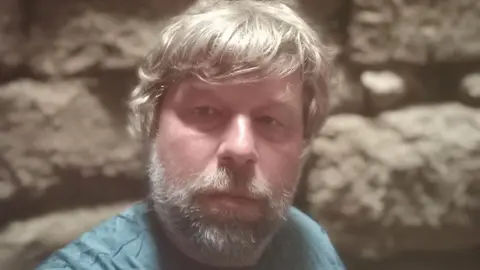
The plight of former billionaire Oleg Tinkov exemplifies the machinery of control. After he dubbed the war crazy on social media, Tinkov was pressured by the Kremlin to divest from Tinkoff Bank, facing nationalization threats if he did not comply. I couldn’t discuss the price; it was like a hostage situation, Tinkov said, highlighting the lack of negotiation power he faced while losing nearly $9 billion in the process.
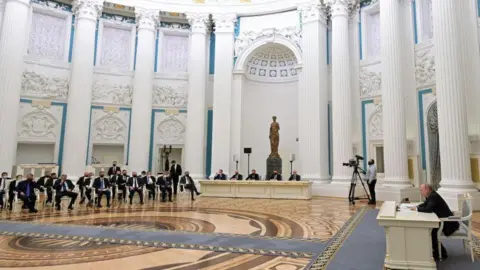
This scenario starkly contrasts the environment during the post-Soviet era when oligarchs like Boris Berezovsky wielded considerable political power. Now, those billionaires summoned to the Kremlin by Putin on February 24, 2022, understood that opposing him could lead to dire consequences, despite impending losses from global sanctions.
According to Forbes, the number of billionaires in Russia dropped after the invasion due to sanctions and economic declines, with combined losses reaching $263 billion but later rebounding. By 2024, the number of billionaires rose again, highlighting the duality of maintaining power through war while simultaneously benefitting financially from a military economy.
While the sanctions have aimed to weaken this elite group, they have inadvertently solidified their bond with the Kremlin, creating a new class of loyalists keen to sustain Putin's regime. As a result, public dissent remains minimal as the consequences of opposition become painfully clear.