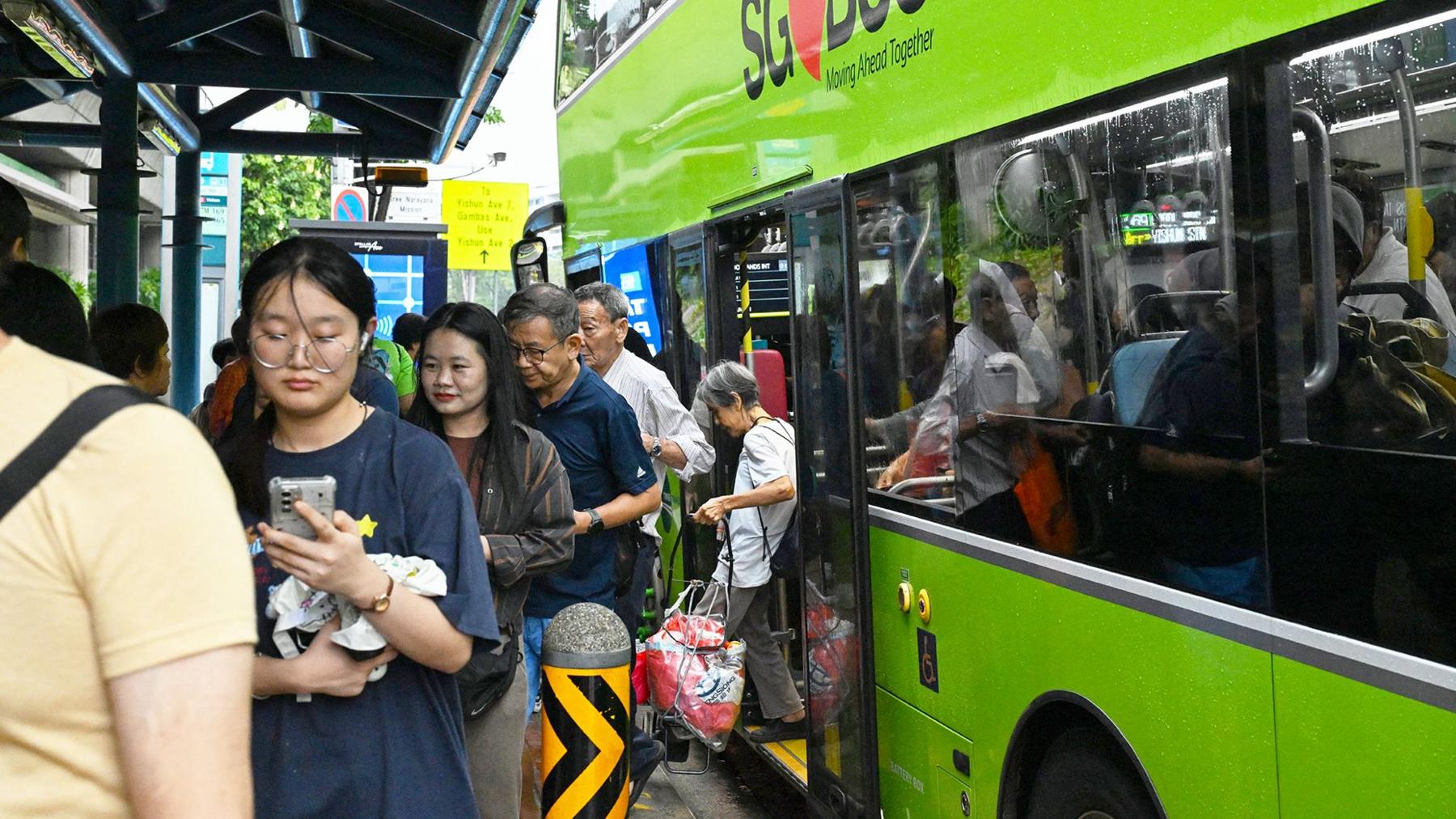
Singapore has rolled out a matchmaking service for its government workers, a move timed with the country’s declining fertility rate.
FirstDate, launched this week for civil servants aged 21 to 35, promises a “different approach to dating”, pairing users single‑at‑a‑time via a Nobel‑winning algorithm and ending what the website calls swipe fatigue.
Participants sign in with their national digital identity, answer a brief survey about interests, habits and values, and the system produces a match that is only shared with that one person.
Reactions on social media have been mixed. Some call the initiative dystopian; others say they would give it a shot. The pilot has sparked criticism of discrimination against non‑government workers and the exclusion of those over 35, with users questioning whether the government is truly caring about personal choice or simply chasing a demographic target.
FirstDate’s website highlights the Gale‑Shapley Stable Marriage algorithm, which earned Lloyd Shapley the 2012 Nobel Memorial Prize in Economic Sciences and has been used in school admissions, medical residency matching and other matching markets.
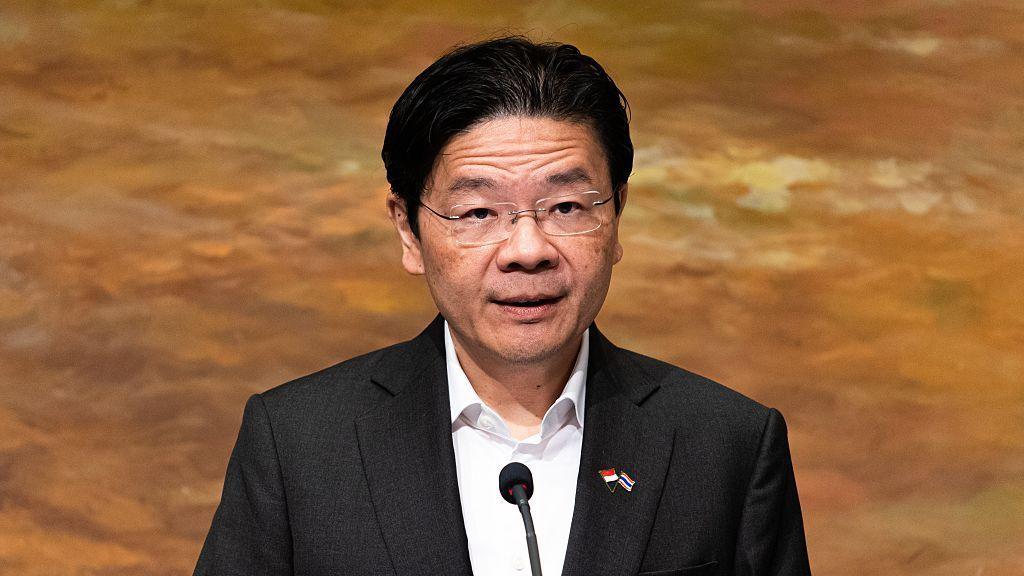
Against a backdrop of Singapore’s historic low birth rate—fewer than 30,000 babies were born in 2025 while deaths have risen to about 26,500—the scheme is part of the new prime minister’s broader family‑support package, which includes almost S$70,000 in incentives for children by age 17.
The idea is not new to Singapore. In 1984, the Social Development Unit ran events for graduate singles; it was later phased out after accusations of elitism. Tokyo’s metropolitan government launched a similar AI‑dating app in 2024 that reportedly led to 265 marriages by mid‑2025.
Whether FirstDate will expand beyond the pilot remains to be seen, but it signals a bold, data‑driven attempt at influencing Singapore’s demographic future.