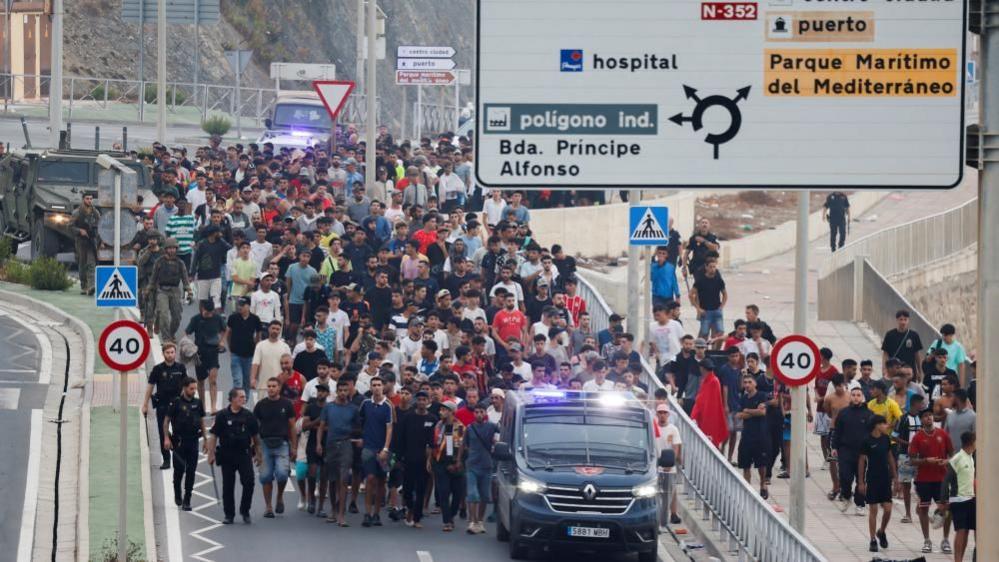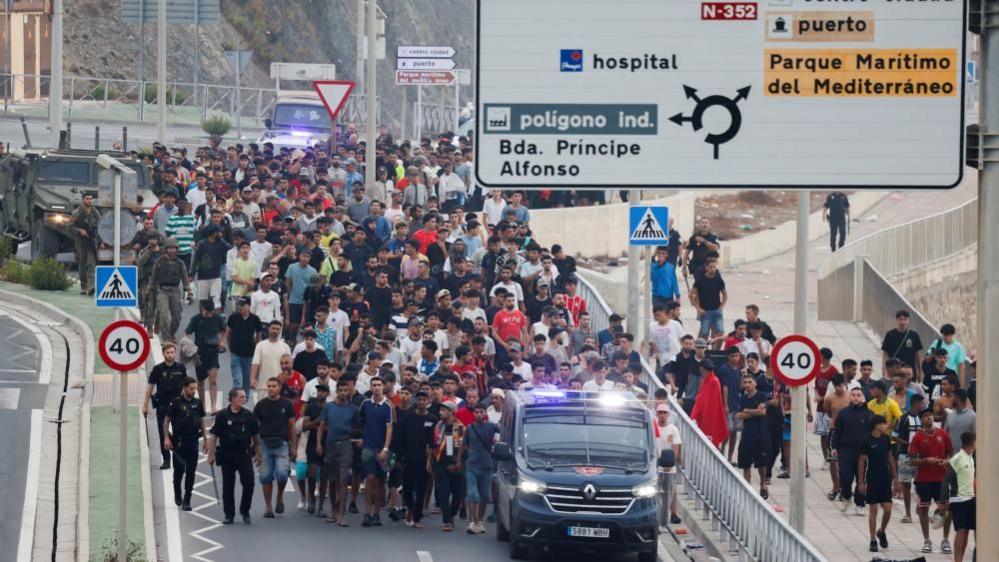
Spanish officials have slammed the response of some EU neighbours to a sudden influx of roughly 60,000 Moroccans into the Spanish enclave of Ceuta as "selfish, polarising and unlawful."
The Interior Minister, Fernando Grande‑Marlaska, noted that the death toll had risen to 67, while most of the migrants had already started to return inland after the chaotic spill‑over of the 30 July arrivals.
The crisis followed Italy’s Prime Minister Giorgia Meloni’s temporary pause of the Schengen‑area freedom‑of‑movement pact with Spain, a decision that Finland and Denmark supported and that the Czech Prime Minister urged to be replicated across the EU.
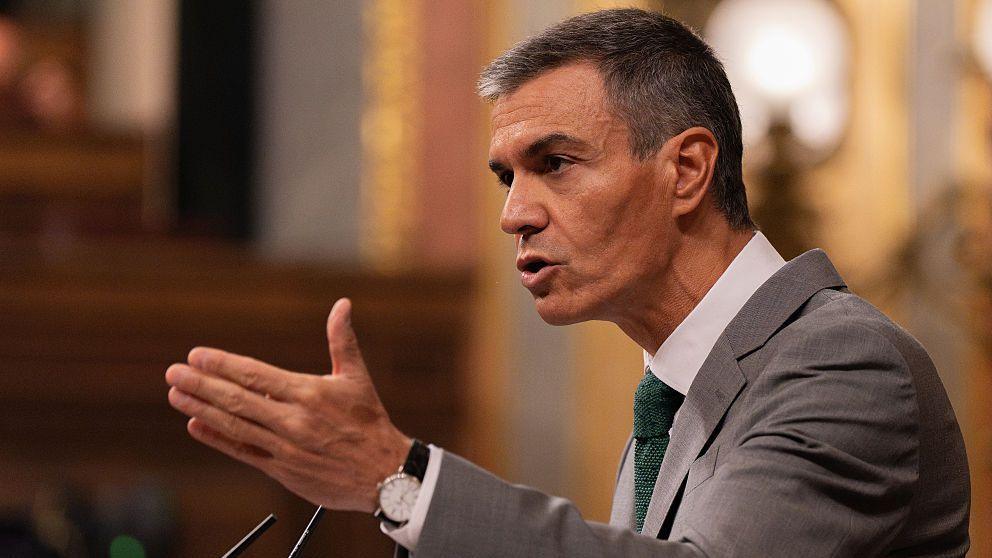
Pedro Sánchez wrote a letter of concern to EU Commission President Ursula von der Leyen, claiming Spain had quickly re‑established border control and prevented any unauthorised onward migration towards mainland Europe. He criticised other governments for what he described as prejudice, fake news and political interest, noting that Ceuta is outside the Schengen zone.
In response, Spanish troops, police, drones, divers and boats were dispatched to tighten security in Ceuta and the neighbouring enclave of Melilla, both of which had experienced large numbers of crossings. President Sánchez promised to consider further border reinforcement as Morocco cooperated.
Sánchez blamed organised trafficking gangs for exploiting a Supreme Court ruling that allowed migrants stopped at sea to remain in Spain instead of being returned to Morocco without due process.
EU Commissioner Magnus Brunner indicated that no individual had managed to cross into mainland EU territory during the crisis, and confirmed that Spanish authorities were working within the legal framework set by the court.
Ceuta has long served as a focal point for migrants seeking entry into Europe, with around 8,000 individuals recorded entering in 2021 alone. The enclave remains a key front for migration, especially during the summer months when social‑media‑mobilised groups attempt to reach it from across the Moroccan coast.
Morocco, struggling with high unemployment, has seen last‑year protests by Gen Z demanding improved public services and opportunities, underscoring the complex socio‑economic drivers behind the migration rush toward Spain’s African enclaves.