Sri Lanka Implements Midweek Holiday to Conserve Fuel Amid Global Crisis
In an effort to tackle impending fuel shortages, Sri Lanka has declared every Wednesday as a public holiday. This decision comes as the island nation faces a potential fuel crisis related to the ongoing conflict between the U.S. and Israel against Iran.
President Anura Kumara Dissanayake expressed in an emergency meeting on Monday, We must prepare for the worst, but hope for the best. The measure is part of broader attempts by various Asian countries to manage energy resources effectively amid rising fuel prices triggered by geopolitical tensions affecting oil supply routes.
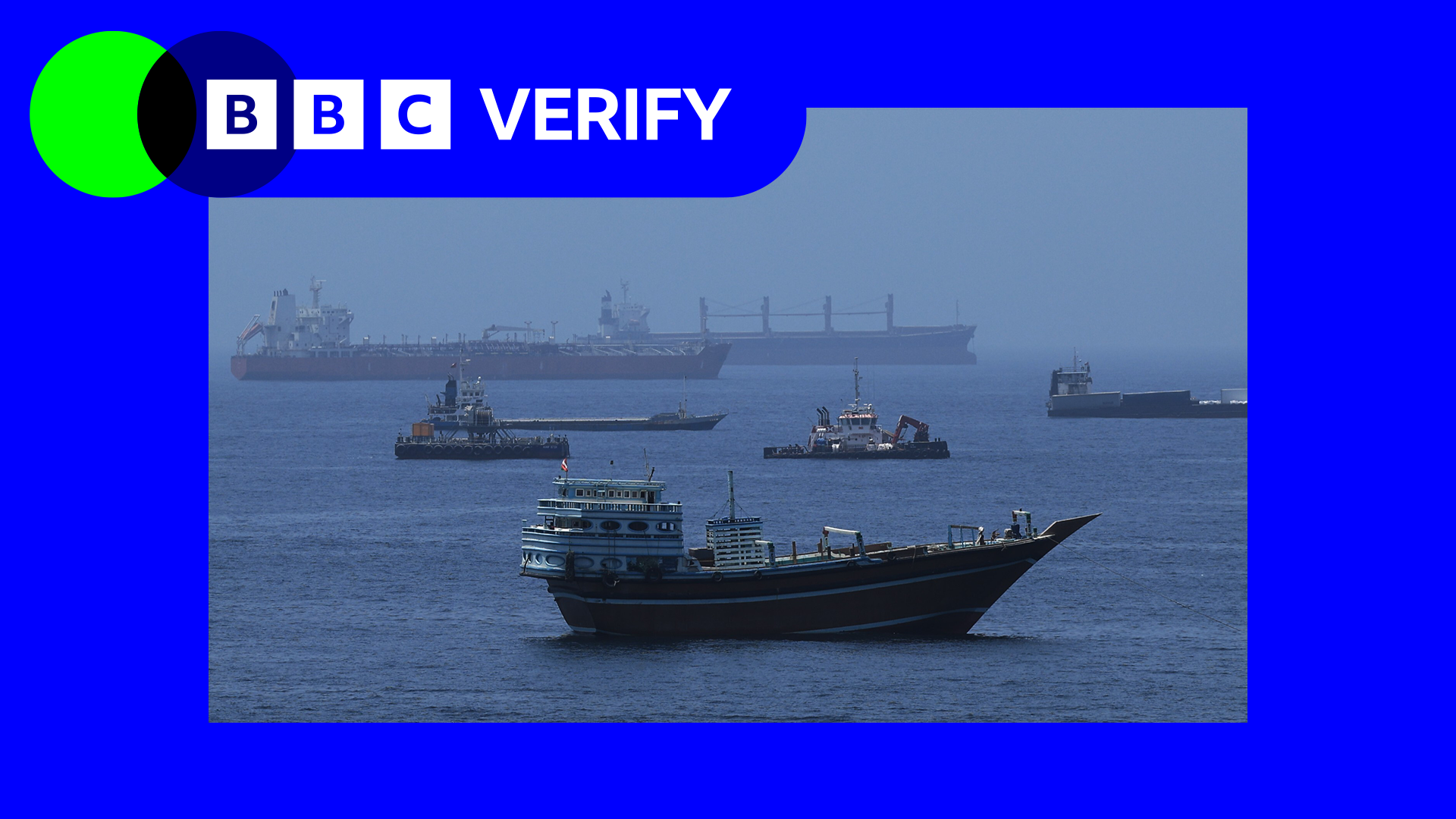
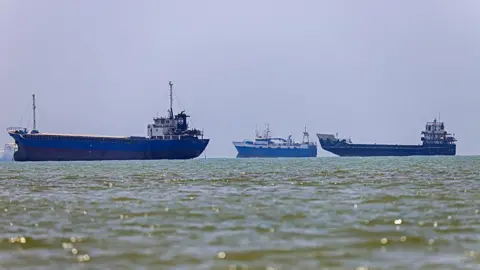
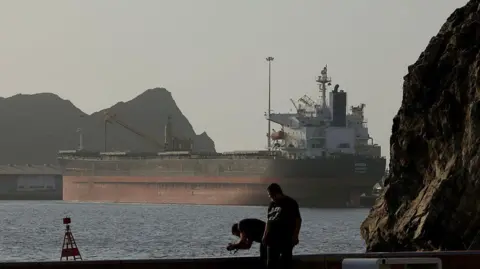
Nearly 90% of the oil flowing through the Strait of Hormuz, a critical passage for global oil shipments, was directed to Asia in recent years. With the region being the world’s largest oil importer, countries are taking increasingly stringent measures to conserve fuel.
Regional Responses to the Crisis
Other nations across Asia are also adapting to ensure fuel conservation. Thailand is urging its citizens to wear lightweight clothing to reduce air conditioning reliance, while Myanmar has restricted vehicle use based on license plate numbers to limit fuel consumption. Bangladesh has accelerated holiday plans and introduced power outages to manage energy resources more effectively.
In the Philippines, government offices are enforcing remote work policies, and President Ferdinand Marcos Jr. has banned non-essential travel in the public sector. Additionally, Vietnam is promoting staying home to limit fuel usage and is encouraging citizens to use public transportation or carpool whenever possible.
Measures Taken by Sri Lanka
Sri Lanka's newly established midweek holiday will apply to educational institutions as well, but essential services like health and immigration will remain operational. The choice of Wednesday was strategic to prevent a continuous three-day closure of government offices.
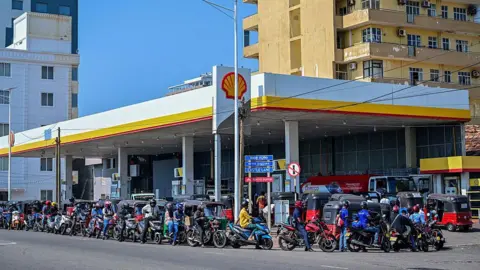
Moreover, motorists are now required to enroll for a National Fuel Pass that limits fuel purchases, with allocations set at 15 litres for private vehicles and five litres for motorcycles. This has led to dissatisfaction among some citizens who feel the limits are insufficient.
After facing its worst economic crisis in 2022, which led to severe shortages of fuel and essential goods, the nation witnessed oil prices soar to around $100 a barrel following renewed conflicts in the Middle East. As these events unfold, the government continues to evaluate and adapt its strategy to mitigate the impact on Sri Lankan citizens.