In brief
Marcia Lucas, the editor who helped turn George Lucas’s raw footage into the epic narrative of the original *Star Wars* film, died at 80 after a battle with metastatic cancer. Her career spanned landmark movies from *American Graffiti* and Martin Scorsese’s classics to the *Star Wars* sequels she returned to for *The Empire Strikes Back* and *Return of the Jedi*. Awarded the Academy Award for Best Film Editing for *A New Hope*, Lucas’s work was celebrated for its emotional depth, rhythmic precision and narrative clarity. Family, colleagues, and fans worldwide pay tribute to her trailblazing spirit and creative influence.
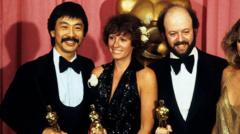
Marcia Luc (née Griffin) was born in Modesto, California in 1945 and began her career as a film librarian before becoming one of Hollywood’s most respected editors. In 1969, she married George Lucas, the creator of *Star Wars*. Together, they built the foundation of the original Star Wars saga, with Lucas editing for *THX 1138* and *American Graffiti*—the latter earning her an Oscar nomination.She earned a first‑time Academy Award for *Star Wars* (later renamed *A New Hope*) in 1977, sharing the honor with editors Richard Chew and Paul Hirsch. Her expertise in arranging complex sequences, such as the climactic Death Star battle, turned raw footage into a coherent, emotionally resonant narrative. George Lucas has praised her for turning “40,000 feet of dialogue footage” into “a story with actual plot” within a dogfight.Beyond George, Marcia collaborated with Martin Scorsese on *Alice Doesn’t Live Here Anymore*, *Taxi Driver* and *New York, New York*—filmmaking that demanded a sophisticated rhythmic editing style. She also returned to the Star Wars franchise for *The Empire Strikes Back* (1980) and *Return of the Jedi* (1983).Marcia and George adopted their daughter Amanda in 1981, divorcing in 1983 after 14 years of marriage. She later married Tom Rodrigues, a production manager at Skywalker Ranch, and together they raised daughter Amy.Her passing was announced on Wednesday, May 31, 2026, in her Rancho Mirage home. The family released a statement expressing that “Marcia was a force,” an inspiring trailblazer for women in film and “one of the most influential editors in cinematic history.” She also told a 1980 reporter, “I have an innate ability to take good material and make it better, and to take bad material and make it fair.”Industry condolences poured in: Mark Hamill, who played Luke Skywalker, wrote that he and his wife were “deeply saddened by the loss of our lifelong friend,” adding that “she was not only a gifted, innovative artist but also a genuinely nice person—smart, funny, and full of fun.”Lucasfilm’s official tribute noted that the film community “joins the global filmmaking community in mourning the loss of Marcia Lucas.”Marcia Lucas left a lasting legacy of emotional intelligence, rhythm and humanity in film editing—skills that continue to influence contemporary editors around the world.