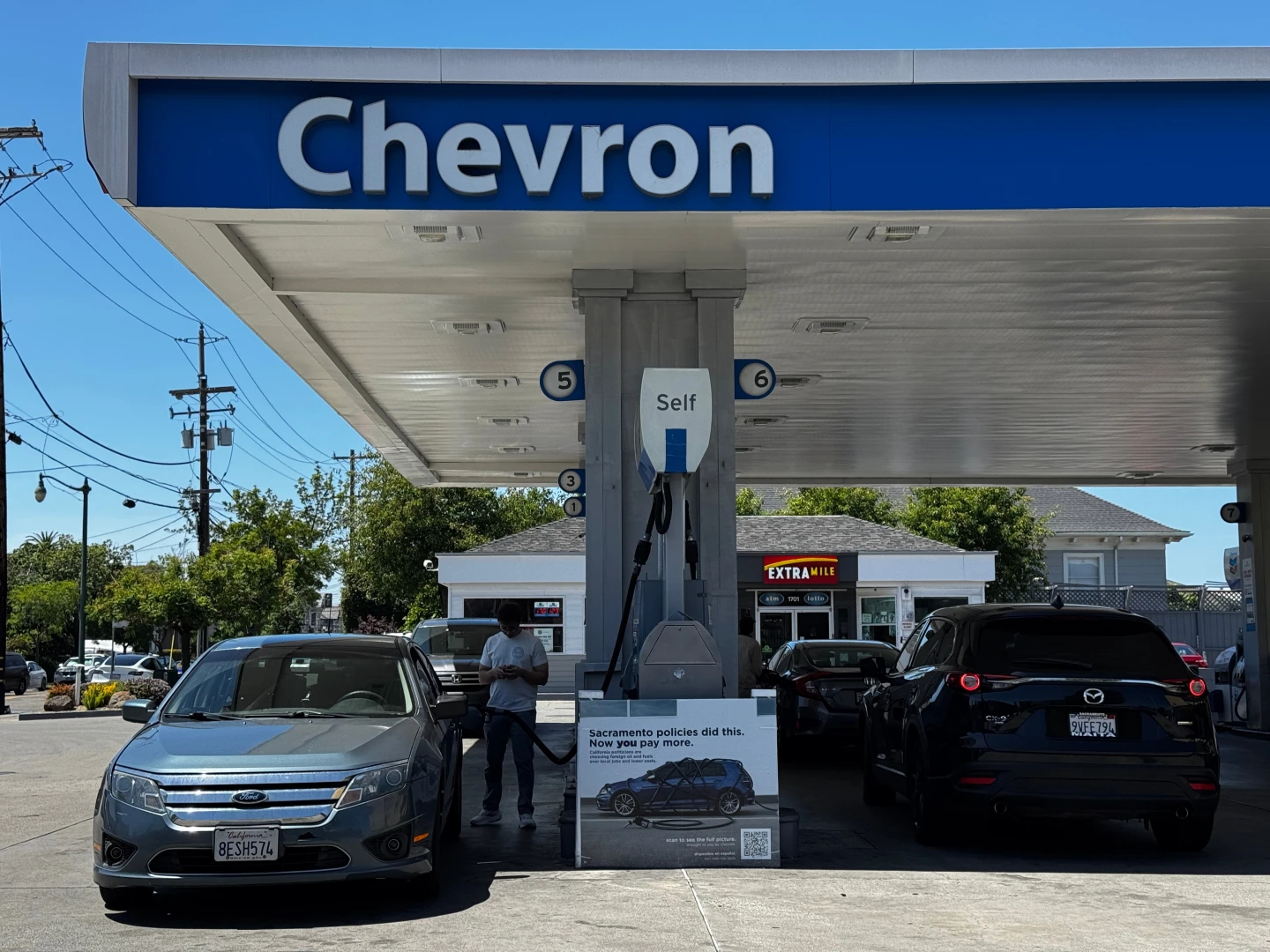
SACRAMENTO, Calif. — California Governor Gavin Newsom has ignited a public dispute with Chevron over gas prices, directly urging drivers to avoid the oil giant's stations during Memorial Day weekend. The Democratic governor's office posted on social media Thursday that Chevron's gasoline costs 60-80 cents per gallon more than unbranded alternatives, which come from the same refineries and pipelines and meet identical state environmental standards. 'Big Oil is already making billions off Trump’s Iran War; don't let them rip you off even more by overpaying for the brand name,' Newsom's office declared.
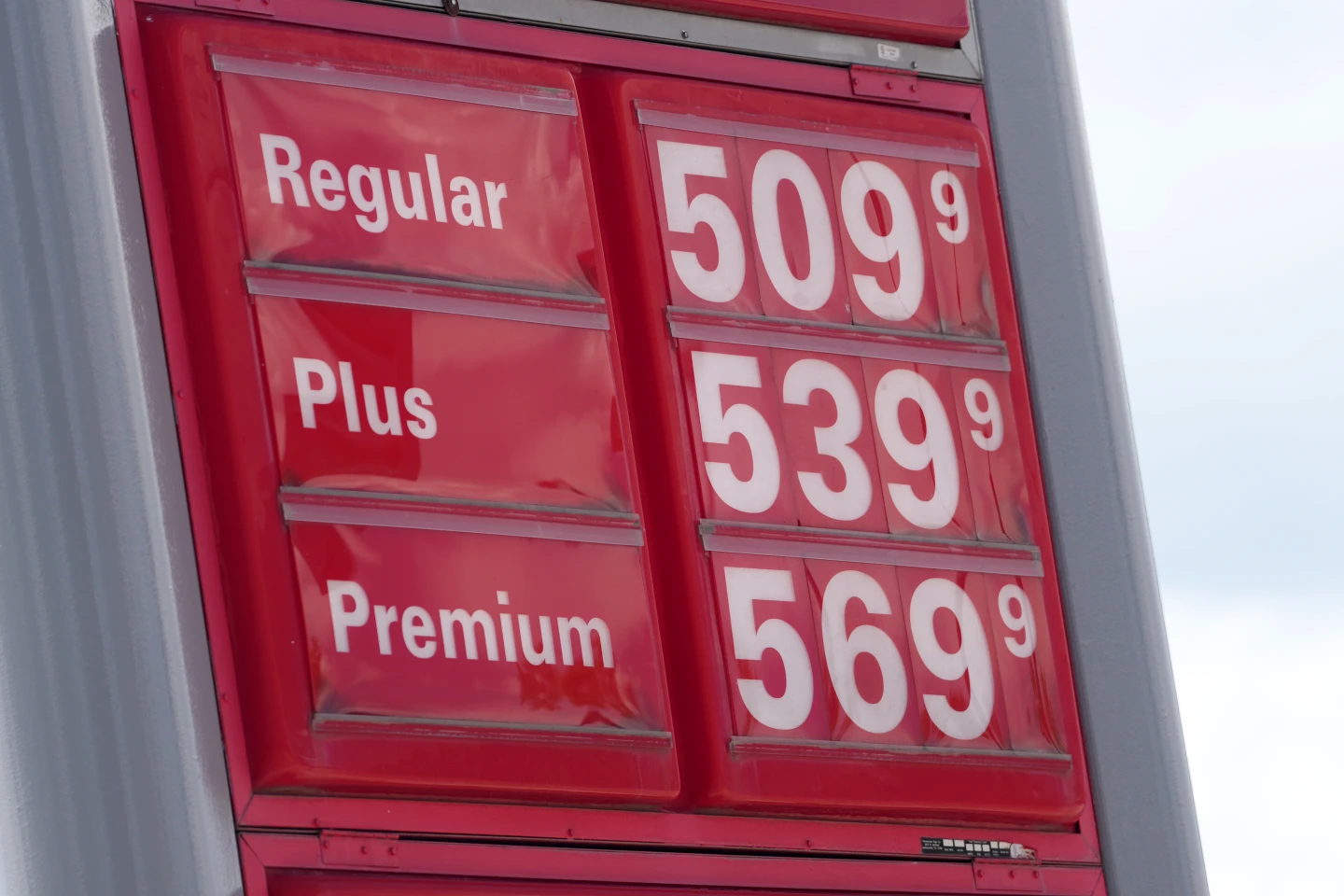
The claim follows an energy commission analysis showing Chevron's pricing disparity. With Memorial Day travel season approaching—when gasoline demand surges—California's average gas price stands at $6.14 per gallon, $1.58 higher than the national average. The state also levies the highest gas tax in the country at 70 cents per gallon.
Chevron countered by placing signs at hundreds of California stations stating, 'California politicians are choosing foreign oil and fuels over local jobs and lower costs,' with QR codes linking to a webpage urging consumers to 'speak up for affordable, reliable energy.' A Chevron spokesman said the signage reflects a campaign launched three years ago to educate drivers about policy impacts on fuel costs.
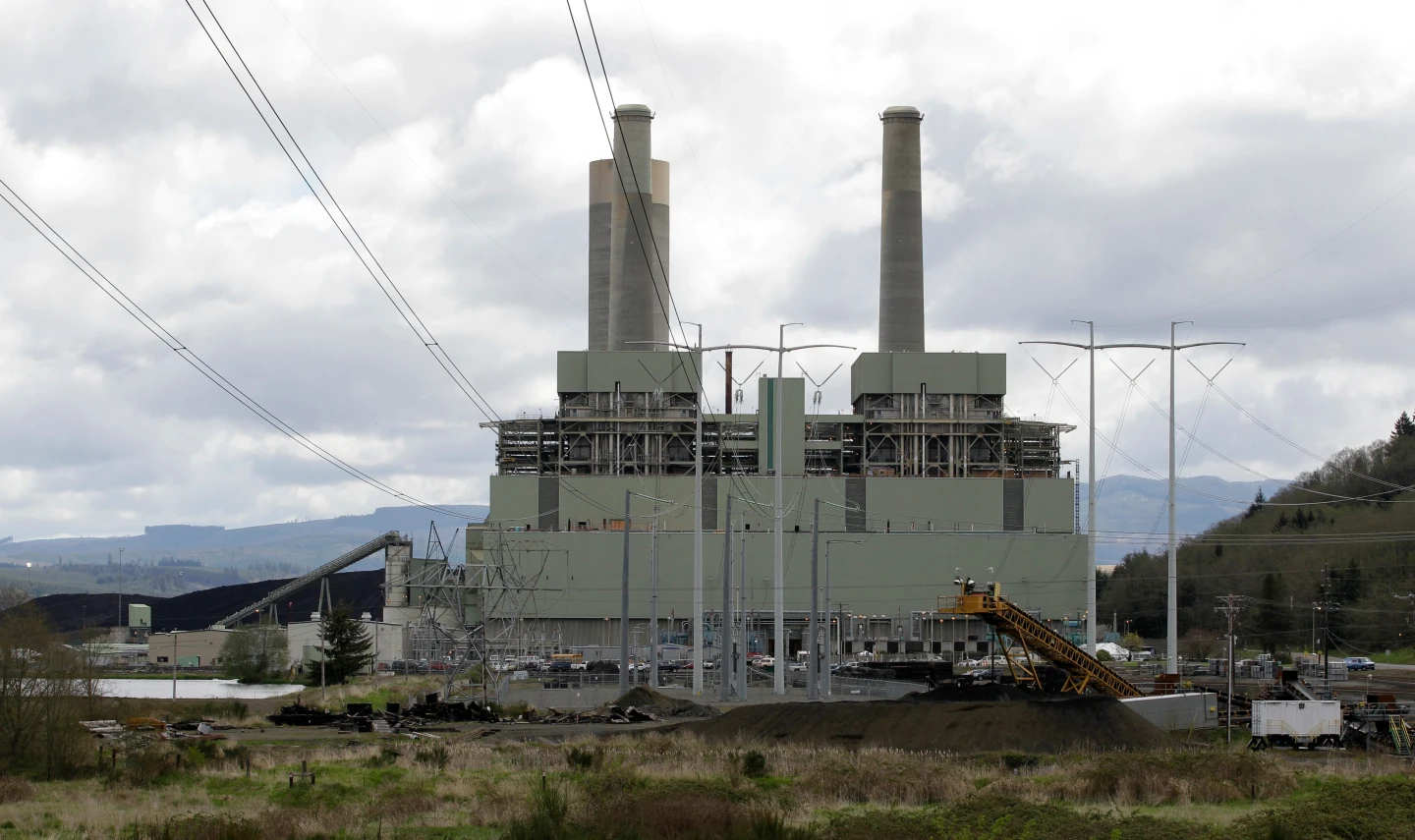
Newsom's office argues Chevron exploits state regulations to inflate prices, a position that has become a political flashpoint. The governor recently signed legislation allowing state regulators to penalize oil companies for excessive profits, declaring California had 'finally beat big oil.' However, regulators postponed implementing these penalties until 2030, prioritizing other consumer protection measures after two major refineries—accounting for 18% of California's refining capacity—announced closure plans.
Newsom's 2024 law requiring refineries to maintain fuel reserves aims to prevent sudden price spikes during maintenance, but implementation stalled. The governor's climate policies have faced scrutiny as oil prices surged following the Iran conflict disrupting oil flows through the Strait of Hormuz, where a fifth of global crude passes.
The dispute coincides with Democratic Senator Tom Steyer's criticism of former Health Secretary Xavier Becerra for accepting Chevron contributions. Newsom, who champions California as a climate leader, has repeatedly pushed to reduce gas prices through policies targeting industry profits, though tangible results remain elusive amid global supply chain disruptions.}
The claim follows an energy commission analysis showing Chevron's pricing disparity. With Memorial Day travel season approaching—when gasoline demand surges—California's average gas price stands at $6.14 per gallon, $1.58 higher than the national average. The state also levies the highest gas tax in the country at 70 cents per gallon.
Chevron countered by placing signs at hundreds of California stations stating, 'California politicians are choosing foreign oil and fuels over local jobs and lower costs,' with QR codes linking to a webpage urging consumers to 'speak up for affordable, reliable energy.' A Chevron spokesman said the signage reflects a campaign launched three years ago to educate drivers about policy impacts on fuel costs.
Newsom's office argues Chevron exploits state regulations to inflate prices, a position that has become a political flashpoint. The governor recently signed legislation allowing state regulators to penalize oil companies for excessive profits, declaring California had 'finally beat big oil.' However, regulators postponed implementing these penalties until 2030, prioritizing other consumer protection measures after two major refineries—accounting for 18% of California's refining capacity—announced closure plans.
Newsom's 2024 law requiring refineries to maintain fuel reserves aims to prevent sudden price spikes during maintenance, but implementation stalled. The governor's climate policies have faced scrutiny as oil prices surged following the Iran conflict disrupting oil flows through the Strait of Hormuz, where a fifth of global crude passes.
The dispute coincides with Democratic Senator Tom Steyer's criticism of former Health Secretary Xavier Becerra for accepting Chevron contributions. Newsom, who champions California as a climate leader, has repeatedly pushed to reduce gas prices through policies targeting industry profits, though tangible results remain elusive amid global supply chain disruptions.}