MINNEAPOLIS (AP) — Attorneys for the federal government have until next Thursday to negotiate a deal with human rights lawyers advocating for the right to counsel for the detainees at an Immigration and Customs Enforcement (ICE) facility in Minnesota, a judge announced on Friday.
Advocates claim that detainees at the facility located near Minneapolis suffer from limited access to legal representation, particularly in-person meetings. While phone calls are allowed, they are often monitored by ICE staff, raising concerns about privacy and the ability to communicate freely with legal counsel.
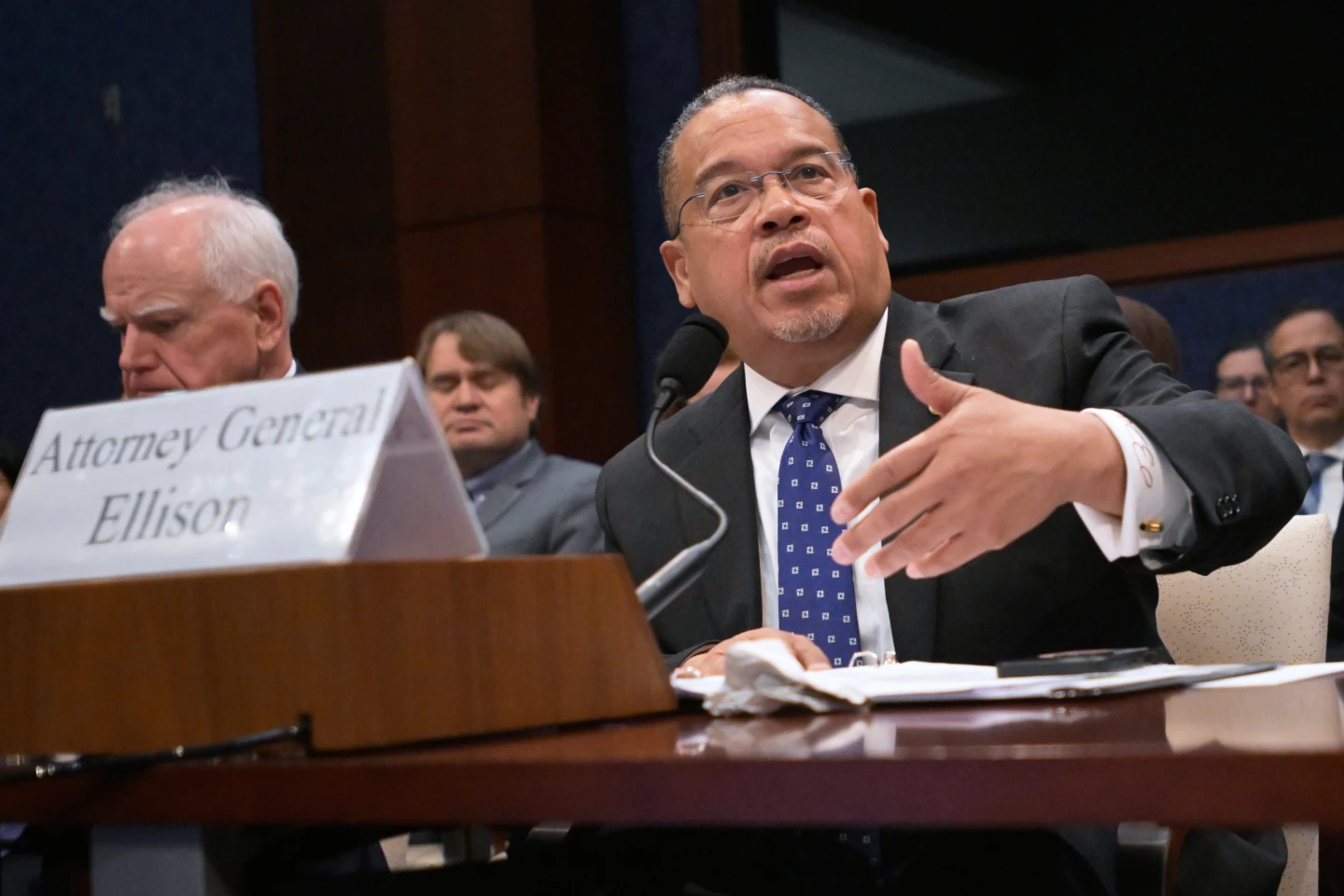
During a recent court session, U.S. District Judge Nancy Brasel remarked on the stark discrepancies between the allegations of human rights advocates and the government’s claims regarding access to legal resources. The judge characterized the government's arguments as a “tough sell,” especially in light of the substantial evidence supporting the plaintiffs’ position.
Justice Department attorney Christina Parascandola contended that detainees have substantial access to counsel and the ability to make unmonitored phone calls for as long as necessary, though she acknowledged she had never visited the facility.
The gap here is so enormous, I don’t know how you’re going to close it,” Judge Brasel expressed during the proceedings. She mandated that both parties continue discussions with a retired judge acting as a mediator before a ruling is made.
If no agreement is reached by 5 p.m. on February 12, the judge indicated she would issue a ruling without specifying which way she would lean.
A member of Congress, Democratic U.S. Rep. Kelly Morrison, criticized conditions at the detention center, stating that it lacks protocols to prevent the spread of infectious diseases such as measles, put the public at risk and was poorly equipped to handle immigration operations. Morrison described her experiences at the facility during visits, highlighting attempts by federal agents to obstruct her access.
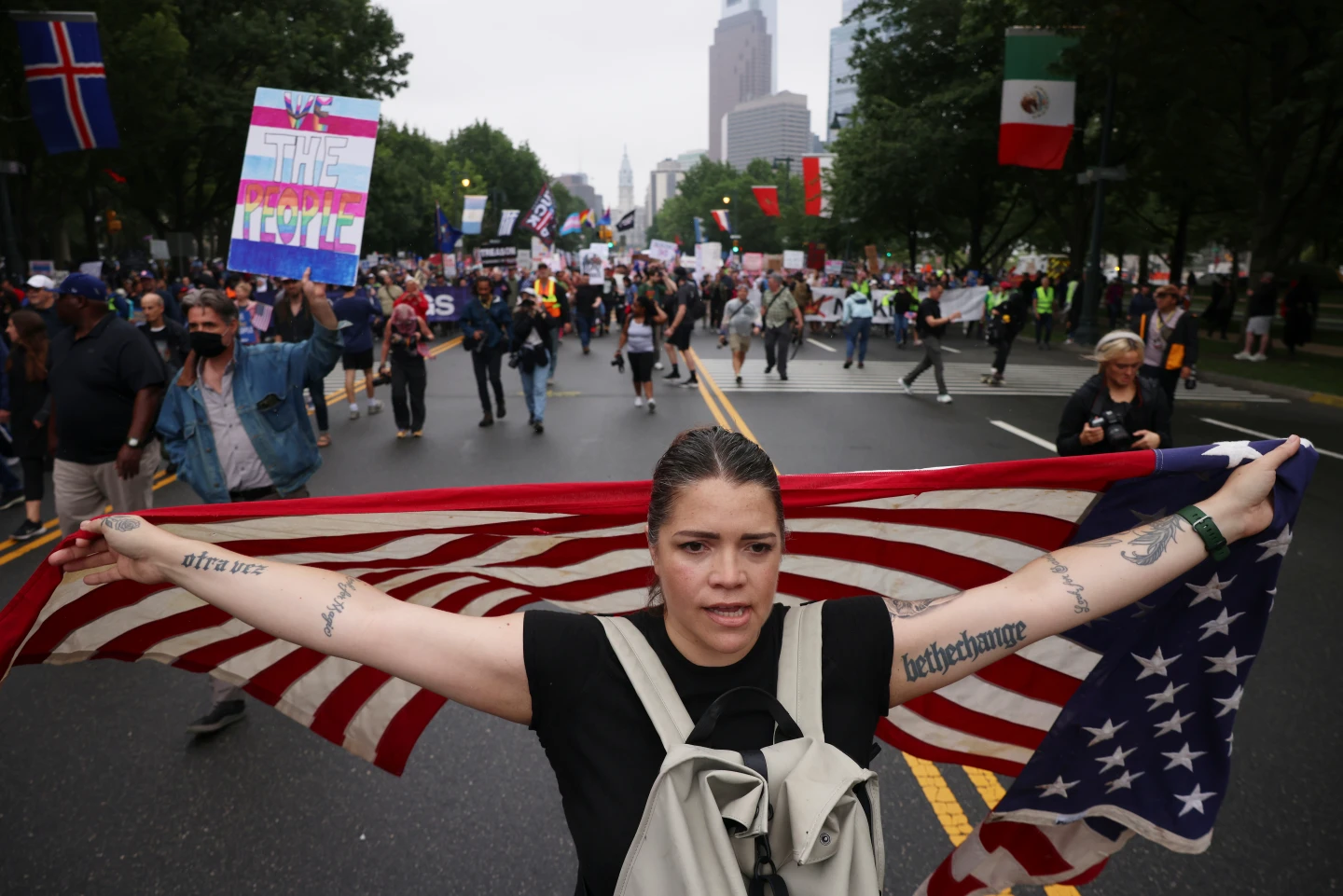
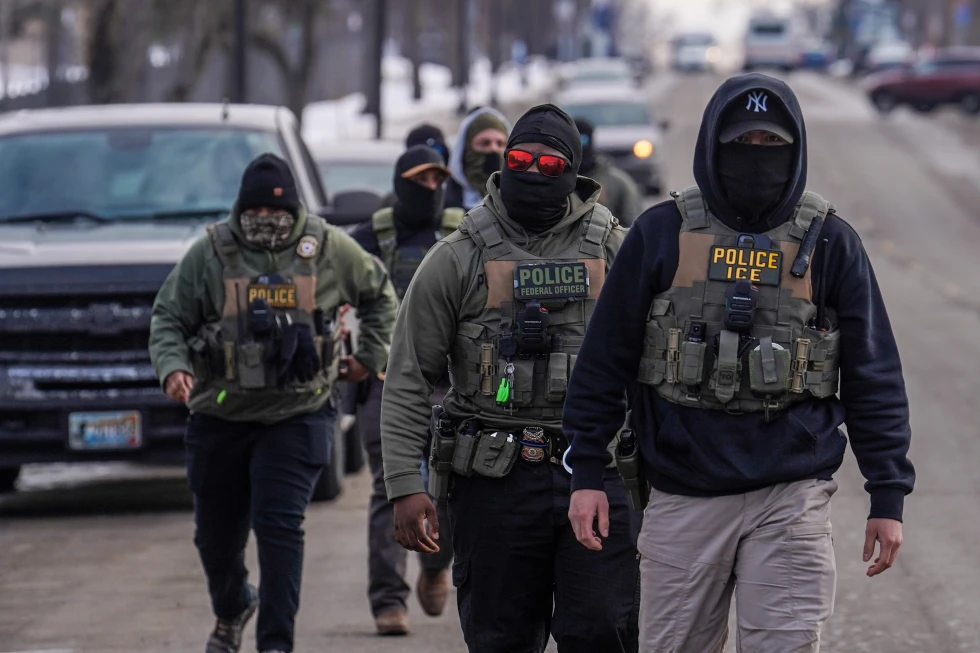
Overall, the situation at the Bishop Henry Whipple Federal Building reflects broader tensions regarding immigrant rights and treatment under U.S. immigration policy, with ongoing protests highlighting public concern around ICE operations.