CAHOKIA HEIGHTS, Ill. (AP) — Yvette Lyles thought of the modest brick ranch home as a Christmas present for her family. It was close to a state park where she and her kids could picnic, fish, and enjoy the outdoors. A place to make memories.
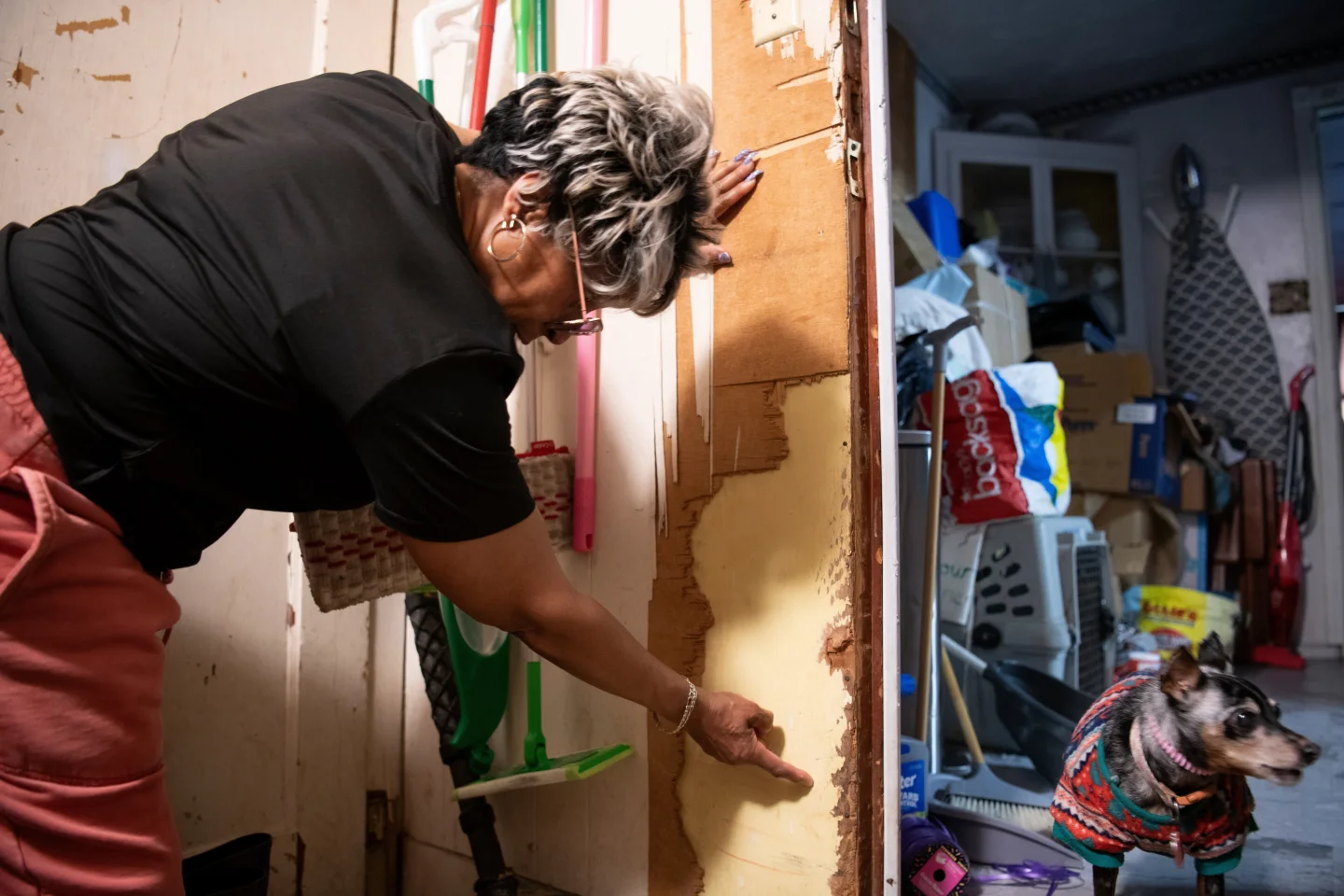
But she soon learned her southern Illinois community had a big problem: Recurring floods from heavy rains sent untreated sewage into streets, yards, and homes where they buckled floors, cracked walls, and destroyed belongings. The first time it happened after they moved in, her family was trapped inside for days.
“I had to turn my back so my children wouldn’t see me cry,” Lyles said.
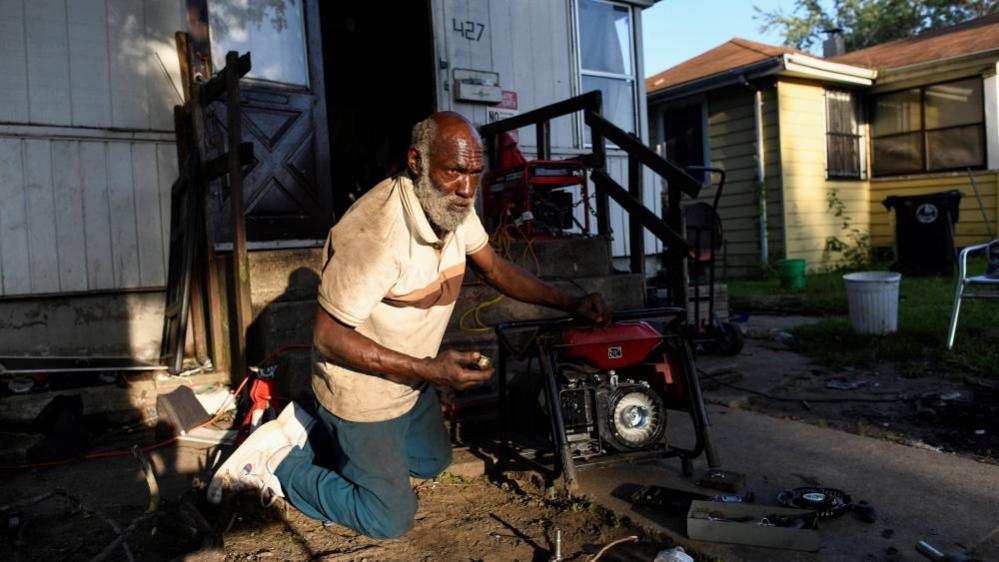
Cahokia Heights, a mostly Black city where about one-third live in poverty, is among scores of communities nationwide with aging and decrepit wastewater systems that can put people and their homes at risk. Exposure to untreated sewage, which can enter homes by backing up through plumbing or via floods after rainwater overwhelms sewer systems, can cause illness. Such problems are often in rural areas or declining cities without the money or expertise to fix problems on their own.
Now, hundreds of millions in grants and loans promised by the Bipartisan Infrastructure Law and former President Joe Biden’s administration to address racial and economic disparities have been canceled or targeted for elimination under former President Donald Trump.
The Trump administration eliminated the Environmental Protection Agency’s Environmental Justice office as part of its war on diversity, equity, and inclusion, along with grants to hundreds of projects for infrastructure and climate adaptation in underserved communities.
That included $14 million to install septic systems in majority-Black Alabama counties where many residents must pipe sewage from their homes onto their own property because it has nowhere else to go. In Thomasville, Georgia, the EPA canceled a $20 million grant, almost half, to address aging sewer lines in historically Black neighborhoods. The agency said it didn’t align with administration priorities.
The Trump administration also has proposed deep cuts to state revolving loan funds for drinking and wastewater projects. The Biden-era infrastructure bill allocated nearly $50 billion to those funds, with almost half meant for disadvantaged communities.
Decades of Decline
When it rains hard, sewage makes its way into Patricia Johnson’s toilet and bathtub in her modest Cahokia Heights home. Sewer overflows have long been a problem in this city near St. Louis. A settlement with the U.S. Justice Department requires the city to invest an estimated $30 million in upgrades. However, officials state finding the funds is challenging, especially under previous leadership.
At least 17 million Americans are served by wastewater systems nationwide that violate federal pollution limits. An estimated 2.2 million Americans lack adequate indoor plumbing. Many rural areas have no sewer systems or functioning septic systems, leaving residents vulnerable to serious health risks.
As federal funding continues to face uncertainties, residents like Lyles find themselves trapped in an ongoing struggle to secure basic sanitation and health, illustrating the dire consequences of systemic inequities affecting minority communities across the nation.