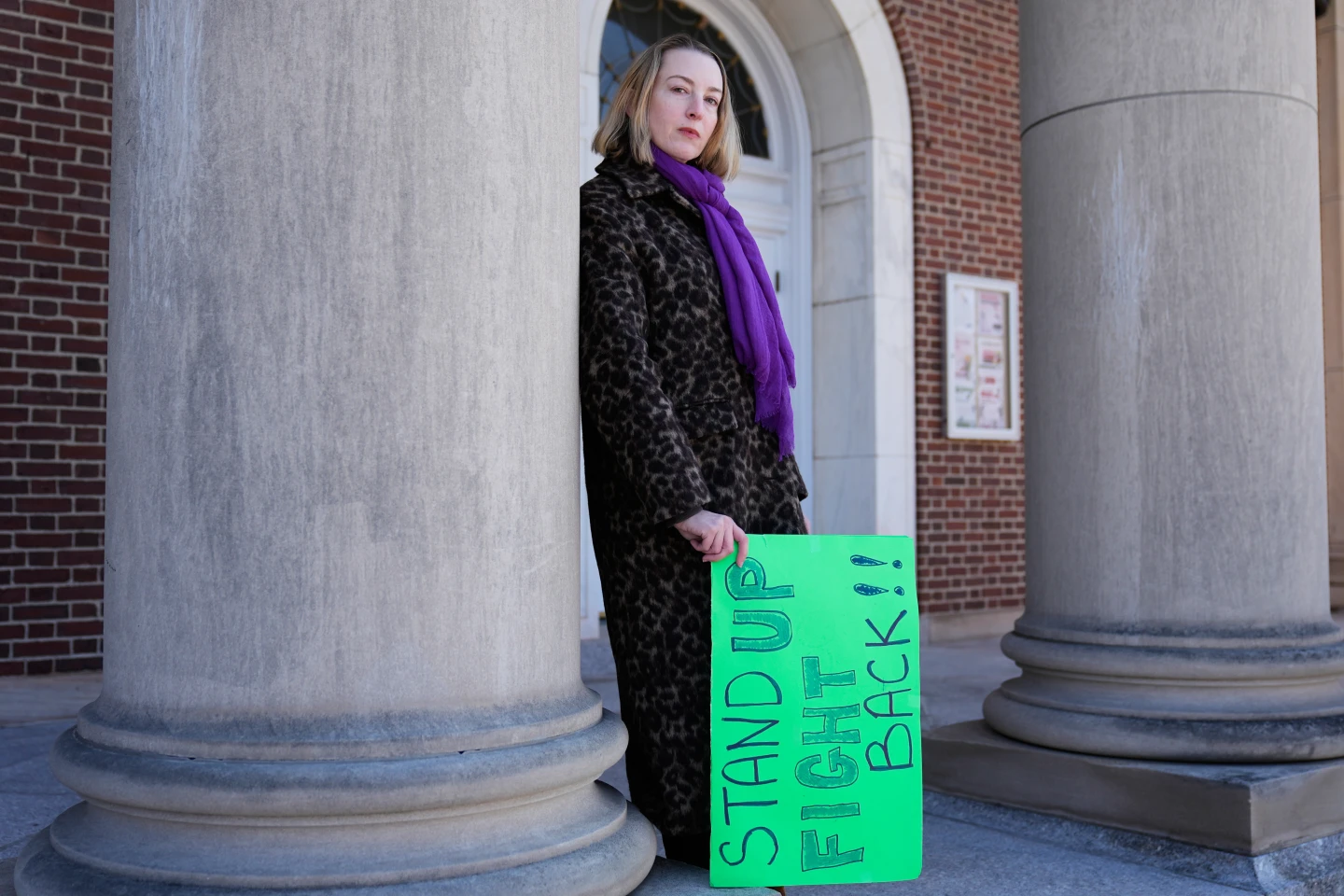
MONTCLAIR, N.J. (AP) — Suburban activism is on the rise, with once moderate communities transforming into centers of resistance against Donald Trump's presidency. Allison Posner, a mother from Maplewood, New Jersey, exemplifies this shift as she engages in grassroots efforts, distributing food and diapers to immigrant families and organizing protests in the affluent town.
“The people in the suburbs are definitely radicalizing,” said Posner, who is set to lead a protest march alongside her family and thousands of others aimed at opposing the current administration.
This wave of activism is reshaping the political landscape, as suburban voters, traditionally Republican, are now mobilizing to resist what they perceive as a threat to American democracy. The upcoming No Kings protests, organized by the nonprofit Indivisible, are set to be the largest in U.S. history, with over 9 million participants expected nationwide.
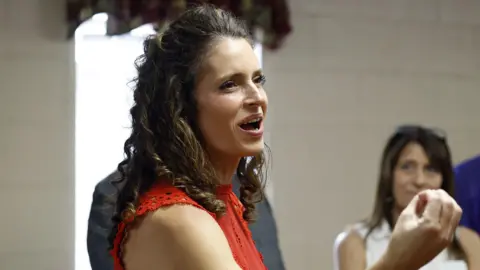
Suburbs that were once Republican strongholds, like New Jersey’s 11th District, are now the battlegrounds for progressive candidates, as evidenced by the recent selection of Analilia Mejia as the Democratic nominee. Her candidacy symbolizes a broader shift among educated suburban voters who are turning against Trump-era policies.
Leaders within the activist community are enthusiastic about the prospect of significant turnout, particularly in high-profile congressional races. Activist Ezra Levin of Indivisible anticipates that this momentum will propel liberal candidates to victory, reshaping the Democratic Party moving forward.
With the decline of traditional Republicanism among affluent voters, a new coalition is forming. College-educated individuals and diverse communities are increasingly aligning with progressive values, pushing back against the previous political norms established under past Republican leadership.
As this wave of suburban activism grows, the political dynamics in the United States may very well undergo a profound transformation, reflecting the urgent need for change that aspiring leaders like Mejia advocate for, rallying their communities for a future that resonates with a broader and more inclusive representation.