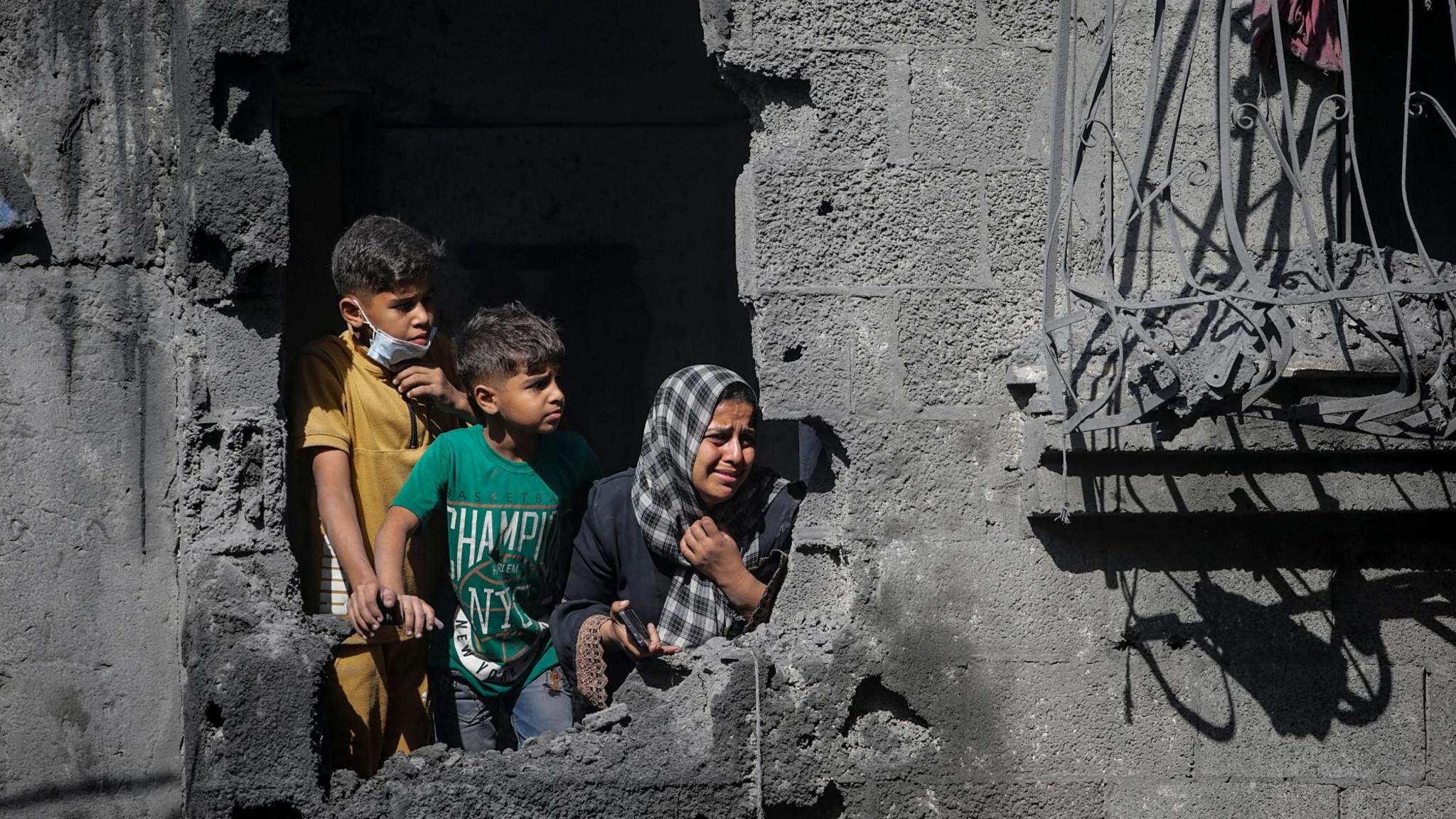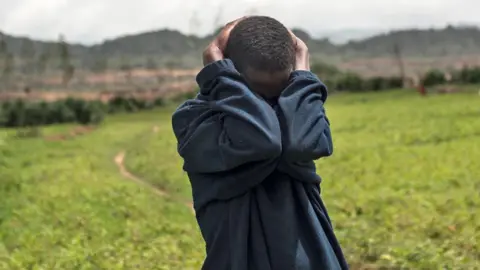
Around midnight, I heard the first gunshots, recalls Joseph Ize Zino, a youth leader in central Nigeria. He was at home when gunmen attacked the village of Zike inhabited by the Christian Irigwe ethnic group. All of us in the house, we ran. That was how we survived. As he hid in the fields, the young man listened as the attackers swept down through the village in the hills of Plateau state.
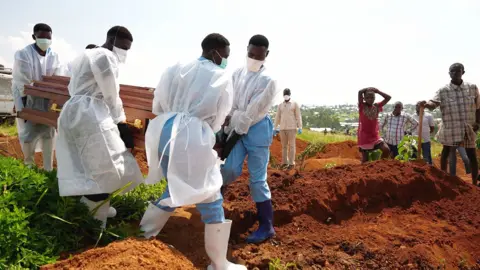
I was just hearing them chanting Allahu Akbar [God is the greatest], saying: 'We will finish them today.' You hear gunshots and people screaming, begging. A total of 52 men, women, and children were killed that night in April 2025. Though it remains unclear who was responsible, the community believes the attackers were ethnic Fulani, traditionally cattle herders, who are predominantly Muslim. This is not a clash. It's nothing but pure genocide. I call it the pure genocide of Christians. They want to wipe us off and then grab the land, an Irigwe spokesperson declared.
Such incidents have fueled claims from Christian communities of systemic persecution in Nigeria, leading to calls for foreign intervention. Critics of the Nigerian government rebut these claims, asserting that the violence impacts individuals of all faiths, with both Muslim and Christian counterparts suffering under the pressures of organized and criminal violence.
In central Nigeria, the conflicts are deeply tied to issues surrounding land, cattle, and identity. Historically, communal violence ignited in 2001 in the state capital, Jos, has only escalated, with many ethnic groups drawn into a cycle of revenge and retribution. The dynamics are complicated further by a significant agricultural population, with farmers (predominantly Christians) battling herders (mostly Muslims) over diminishing land resources.
Amidst the chaos, local leaders and community members attempt peace initiatives, emphasizing the importance of cooperation and understanding. In Mista Ali, for instance, a Christian chief promotes unity between Christians and Muslims, stating, Muslim, Christian, no problem. The Fulani are our brothers, the indigenes are our brothers, all. However, for many, the scars of violence and a lack of trust in authorities overshadow hope.
As the violence continues, it underscores a pressing need for effective local governance and conflict resolution strategies, reminding all involved that peace is indeed a gradual process. Leaders like Abdullahi and Amos work tirelessly to mend relationships and foster understanding in their communities, hoping to build a more peaceful future.