The Human Cost of War: Civilian Stories from Iran
As the conflict escalates between the US and Israel against Iran, a staggering number of civilian lives are being lost. In a chilling snapshot of the human toll of war, two individuals, Parastesh Dahaghin and Berivan Molani, symbolize the thousands of innocent victims caught in this brutal reality.
Parastesh Dahaghin was a young pharmacist working in Tehran when tragedy struck. An explosion from an airstrike took her life while she was tending to her duties, providing essential medication to vulnerable patients. Despite warnings from her family about the dangers of staying in Tehran, she felt a moral obligation to help those in need. Her brother Poorya shared her bravery, remarking, 'People need me, people have been wounded.'
Similarly, Berivan Molani, a 26-year-old lifestyle blogger who recently returned to Tehran from northern Iran feeling homesick, was killed in her bed by falling debris during an airstrike. Her family was unaware of the imminent danger posed by their neighbor, Iran's intelligence minister, whose residence became the target of aerial attacks. The aftermath of this attack was gut-wrenching, as rescuers struggled to reach her trapped mother seeking reassurance about her daughter's fate.
In addition to adult casualties, the impact of the strikes reaches even the youngest victims. Eilmah Bilki, only three years old, suffered serious injuries from a recent attack and succumbed to her wounds shortly thereafter. Reports indicate that more than 1,400 civilians, including children, have been killed during this conflict, with the toll continuing to rise.
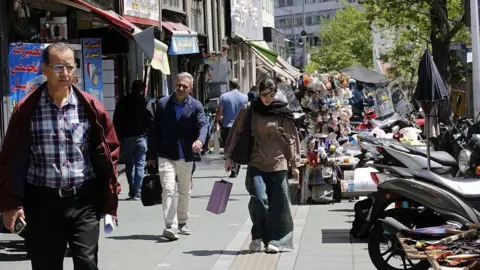
The situation in Iran remains dire, as airstrikes hit various civilian establishments, leading to widespread panic and loss. With the international community's attention diverted, many of these tragic stories remain untold, overshadowed by the greater narrative of warfare. Despite the thick smoke and internet blackouts, snippets of information trickle out, exposing the stories of these civilians who are oftentimes merely collateral damage in the geopolitical strife.
The International Committee of the Red Cross has noted that the human cost of this war is alarming, with numerous facilities and workers in humanitarian roles also affected. Health services are strained under the pressures of war, making it increasingly difficult to care for the injured.
Access to information is severely restricted, as Iranian border officials are reportedly ordered to suppress citizens' attempts to use phone networks for communication. This chilling reality leaves an entire population fearful not just of external threats, but also of their own government.
Yet, in these tragic and harrowing circumstances, the resilience and bravery of the Iranian people shine through. Their stories matter, and it's essential we shed light on their struggles and sacrifices in the face of seemingly insurmountable odds.