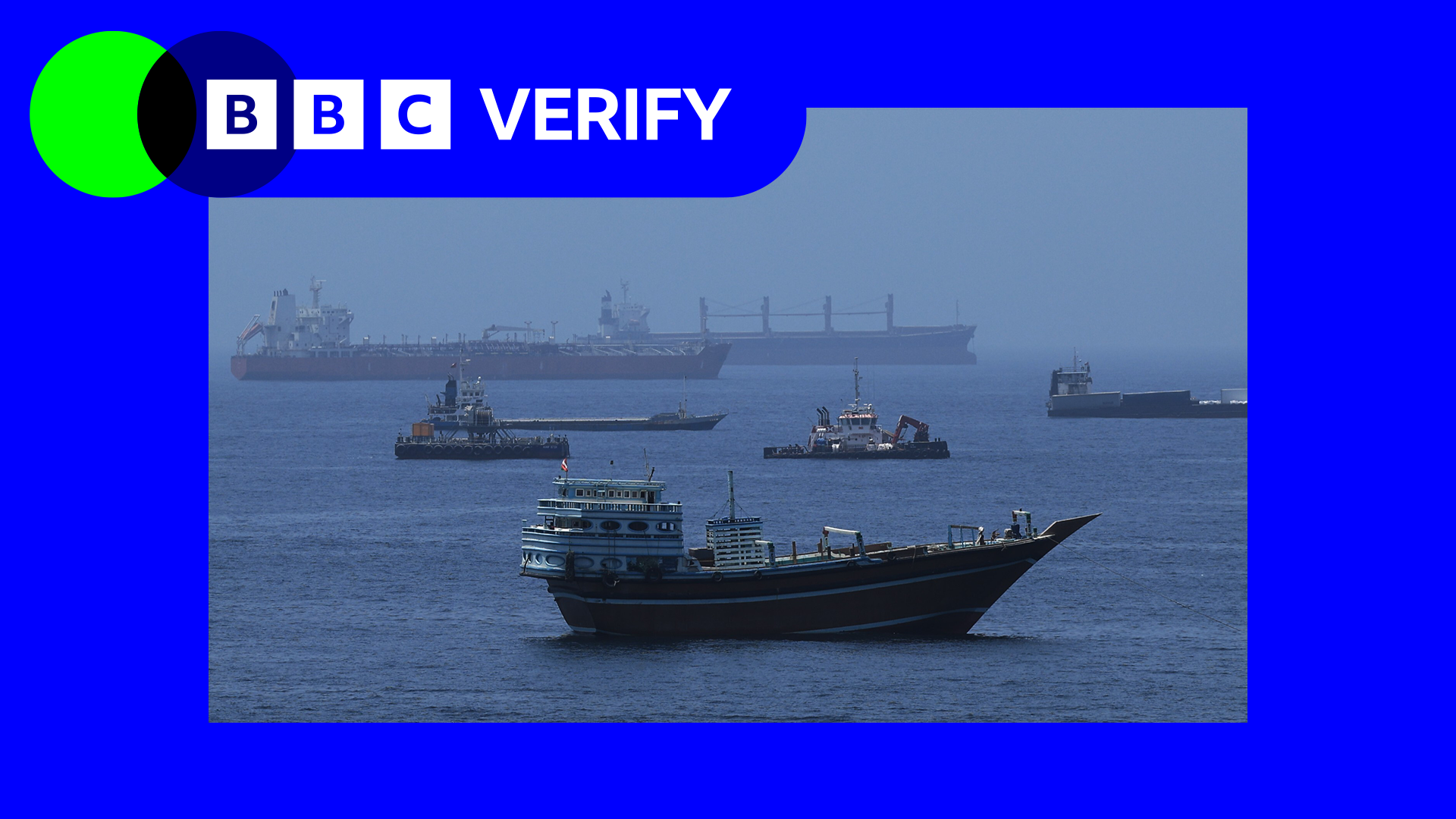
At least 172 vessels have crossed the Strait of Hormuz since the U.S. and Iran signed a peace deal, including 42 ships on Saturday alone, according to maritime intelligence firm Kpler. The daily count remains well below the pre‑conflict average of about 138 crossings.
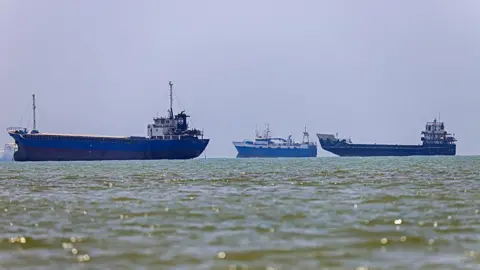
The data shows more than 200 tankers waiting in the strait on Tuesday, with at least 10 moving west into the Gulf.
Brent crude has fallen to its lowest level since the war began, reflecting the easing of sanctions and increased shipping activity.
Many transiting tankers link to Iran, and at least 30 have departed the Gulf carrying Iranian oil and petrochemicals since the deal. The U.S. Treasury has issued a license allowing the sale of Iranian crude until 21 August.
Three tankers and three cargo vessels sailed out of the Gulf on Tuesday, all via the Iranian‑approved northern route rather than the U.S.~recommended southern corridor.
The Persian Gulf Strait Authority (PGSA) has issued strict permit rules; no vessel can pass without a PGSA permit, which many shipowners may hesitate to obtain due to U.S. sanctions on the authority.
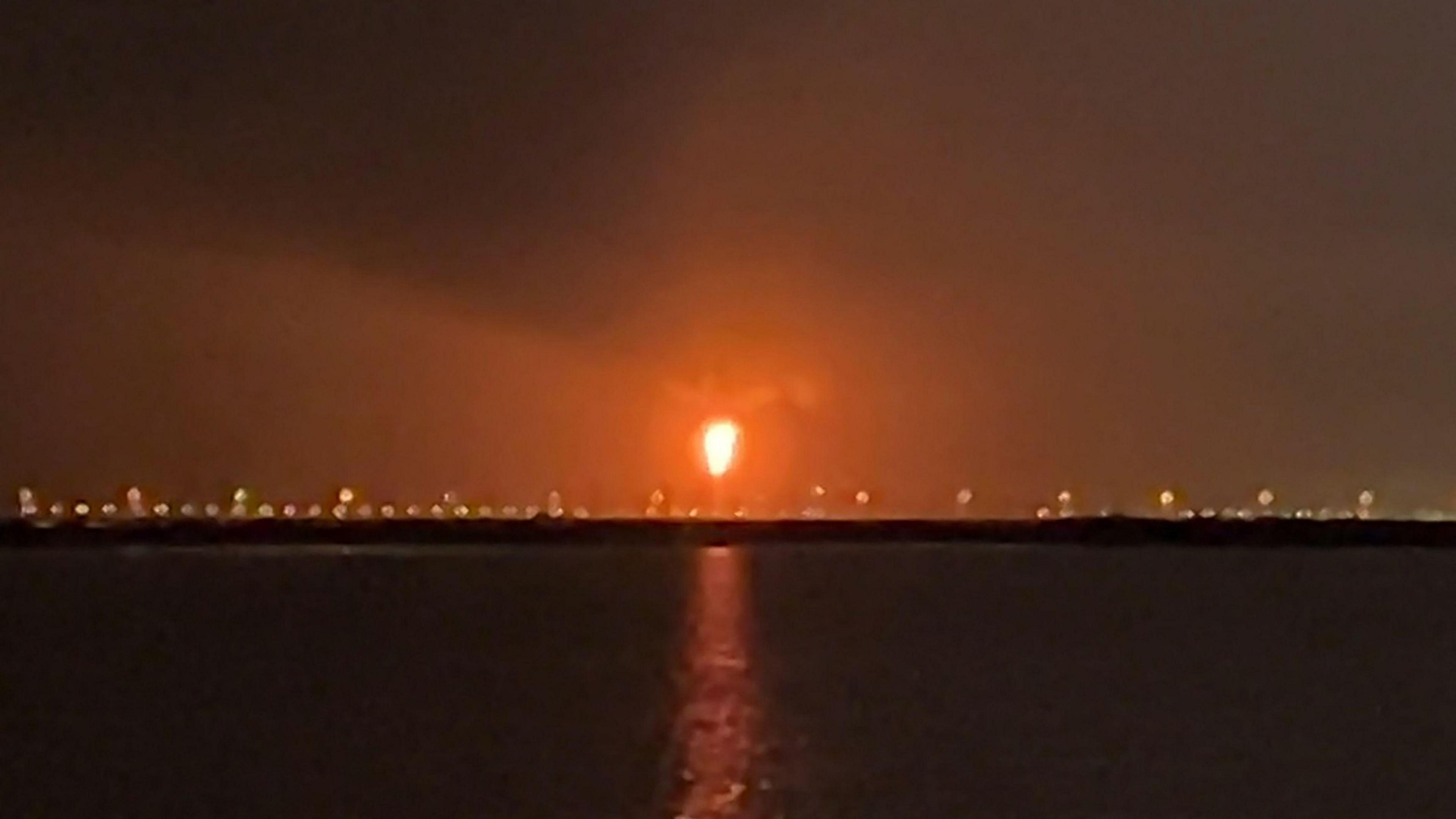
Iran’s IRGC reported the strait had been closed following Israeli strikes on Lebanon, yet some traffic persisted. A UN ambassador in Geneva later stated the strait was open, while an Iranian military source said daily transits would be capped.
Sea‑mine concerns in the central lane, flagged by the Joint Maritime Information Center (JMIC), have prompted vessels to use the southern route. Two mines have been identified, and active clearance is ongoing.
Although a few tankers have begun transiting again, the overall flow remains limited, with most ships stationary or at anchor.
Additional reporting by Ghoncheh Habibiazad, BBC Persian