The International Atomic Energy Agency confirmed that inspectors will conduct on‑site examinations of Iranian nuclear facilities as part of a new agreement with the United States.
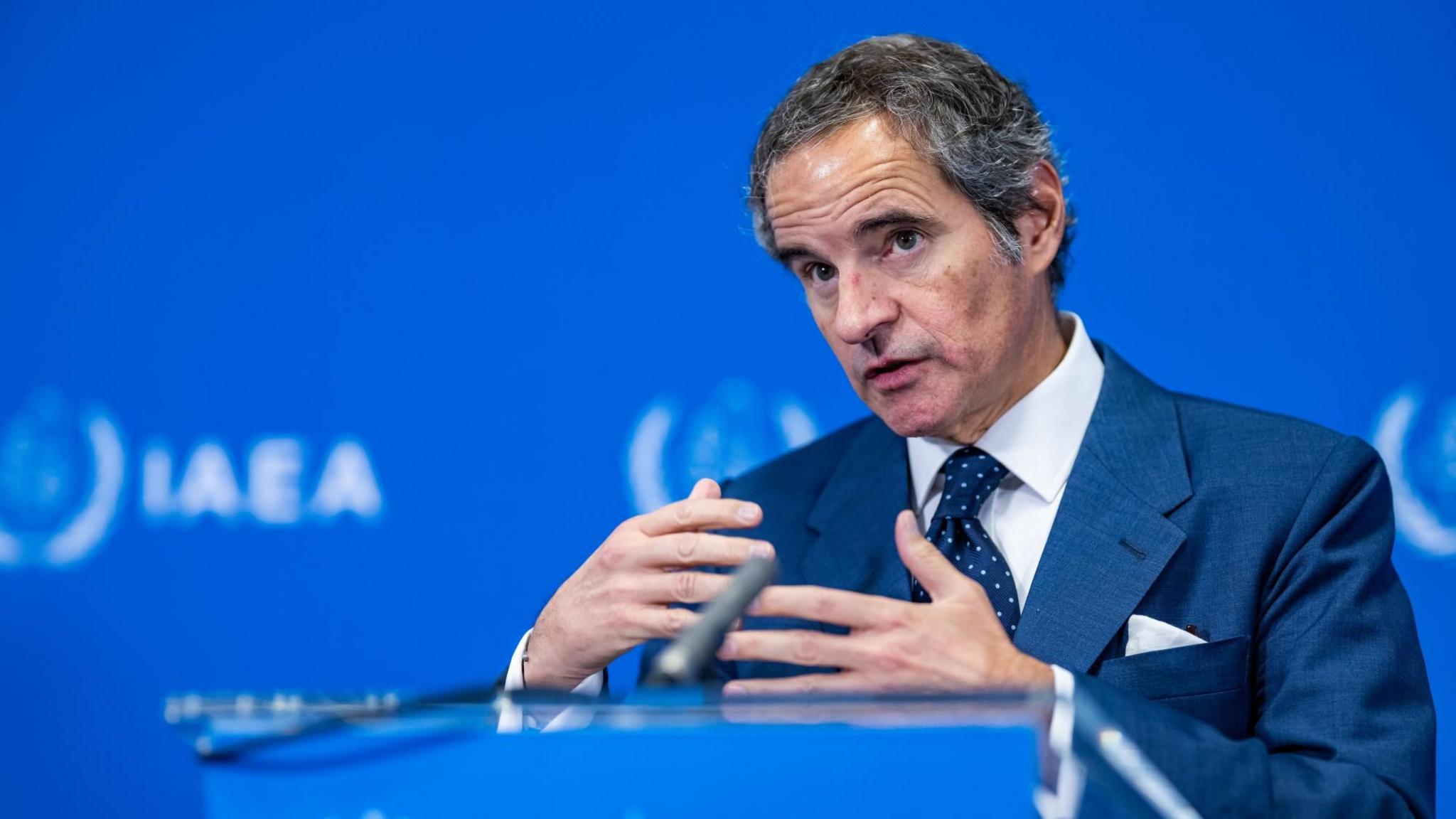
"The inspections will indeed take place," Director‑General Rafael Grossi told reporters in Japan, saying the IAEA is working on dates, procedures and locations “very soon.” The memorandum of understanding signed last week explicitly states that Iran will dilute its highly enriched uranium under IAEA supervision.
Iran’s deputy foreign minister, Kazem Gharibabadi, warned that actual access to damaged sites will be negotiated only within a final treaty that lifts sanctions. He said the IAEA can’t impose facts on the ground through media noise.
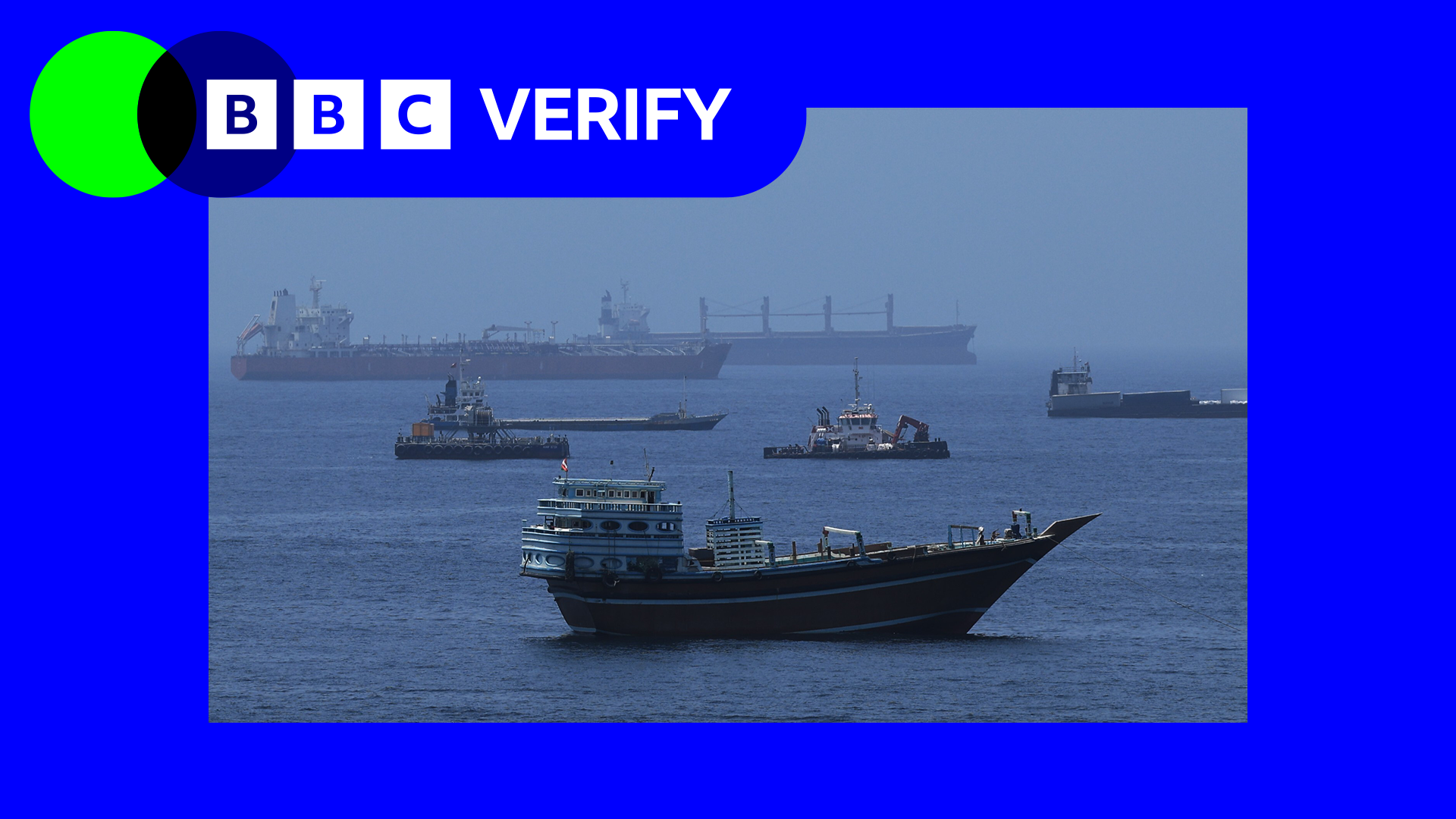
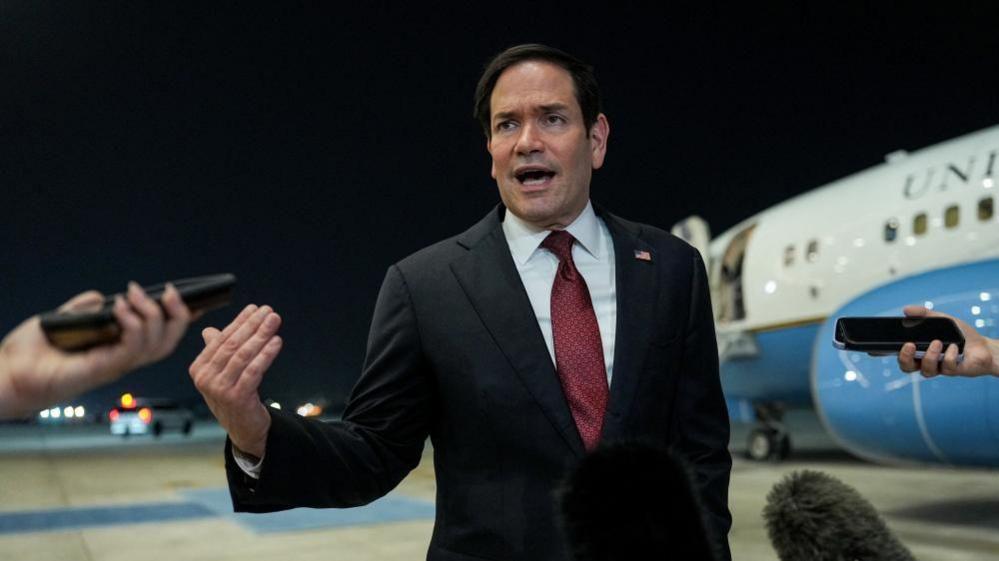
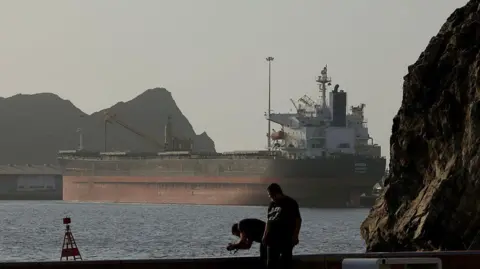
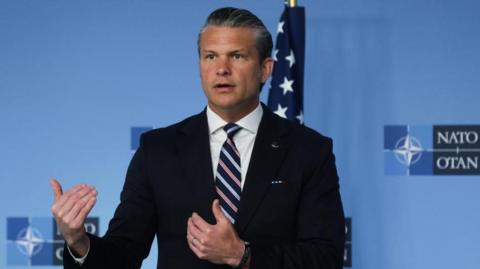
The deal also allows shipping to pass through the Strait of Hormuz while the United States lifts its naval blockade on Iranian ports. Washington’s Secretary of State, Marco Rubio, is visiting Gulf nations to solidify the agreement; he met UAE President Mohamed bin Zayed Al Nahyan and will travel to Kuwait and Bahrain.
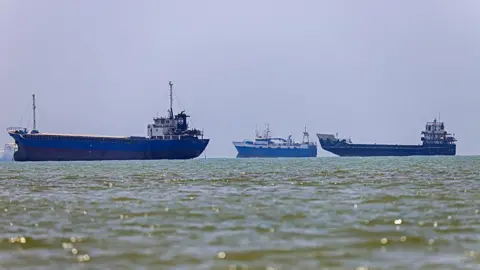
The agreement’s nuclear provisions, coupled with the maritime reset, have already influenced commodity markets: Brent crude fell below $75 for the first time since the U.S.–Israeli‑Iranian conflict began, and UN reports note that ships have started passing through the Hormuz zone under a scheme to evacuate sailors stranded by the war.
The IAEA has yet to inspect the most sensitive facilities that were bombed in June 2025. The IAEA can not confirm the current size of Iran’s stockpile of enriched uranium, believed to be stored in underground tunnels at the Isfahan site. Before the war, Iran held about 440 kg of uranium enriched to 60%, near weapons‑grade levels. Iran insists its nuclear programme remains peaceful, but the renewed inspections mark a crucial milestone in verifying its compliance with the 2015 agreement that was largely abandoned in 2018 by the United States.