Thousands evacuated in Crete as wildfires rage across Europe
By Sofia Ferreira Santos
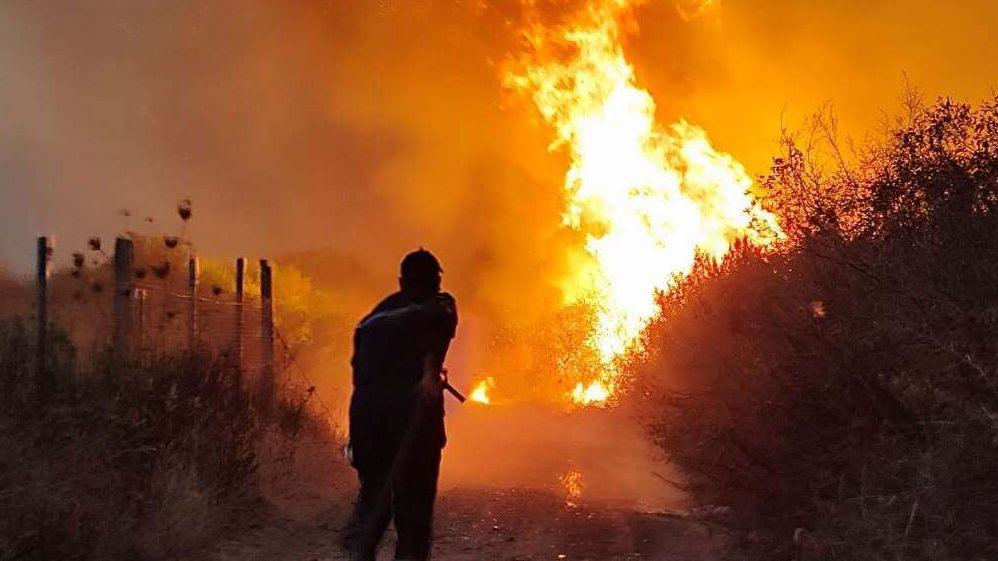
Thousands of people have been evacuated on the Greek island of Crete as wildfires, fueled by strong winds, threaten tourist resorts and villages.
More than 8,000 residents were evacuated overnight in the town of Rethymno after gusts reached 125 km/h. The evacuation followed the deaths of two firefighters near Krya Vrysi and a third near the Peloponnese port town of Gytheio.
Greece is among several European countries battling devastating fires and droughts during an unusually hot summer. Forecasts warn that the dry, fire‑prone conditions will spread towards central Europe this week, with Greece and Turkey among the most affected.
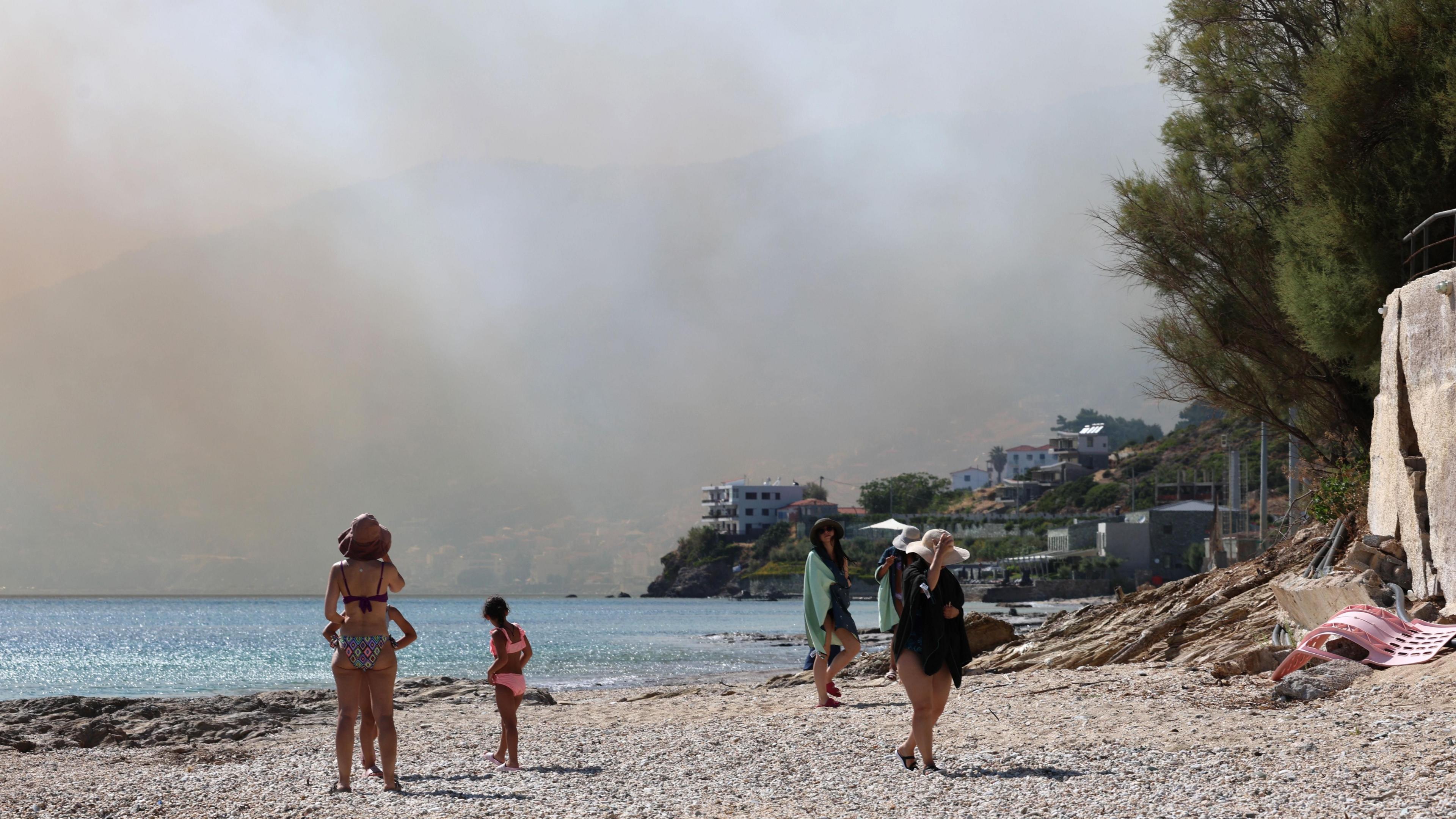
In Rethymno the fire broke out on Wednesday and has already destroyed several homes and sections of agricultural land. The front of the blaze stretches over 15 km, and local governors say containment remains the top priority. Owing to violent winds, firefighting aircraft could not operate on Thursday morning.
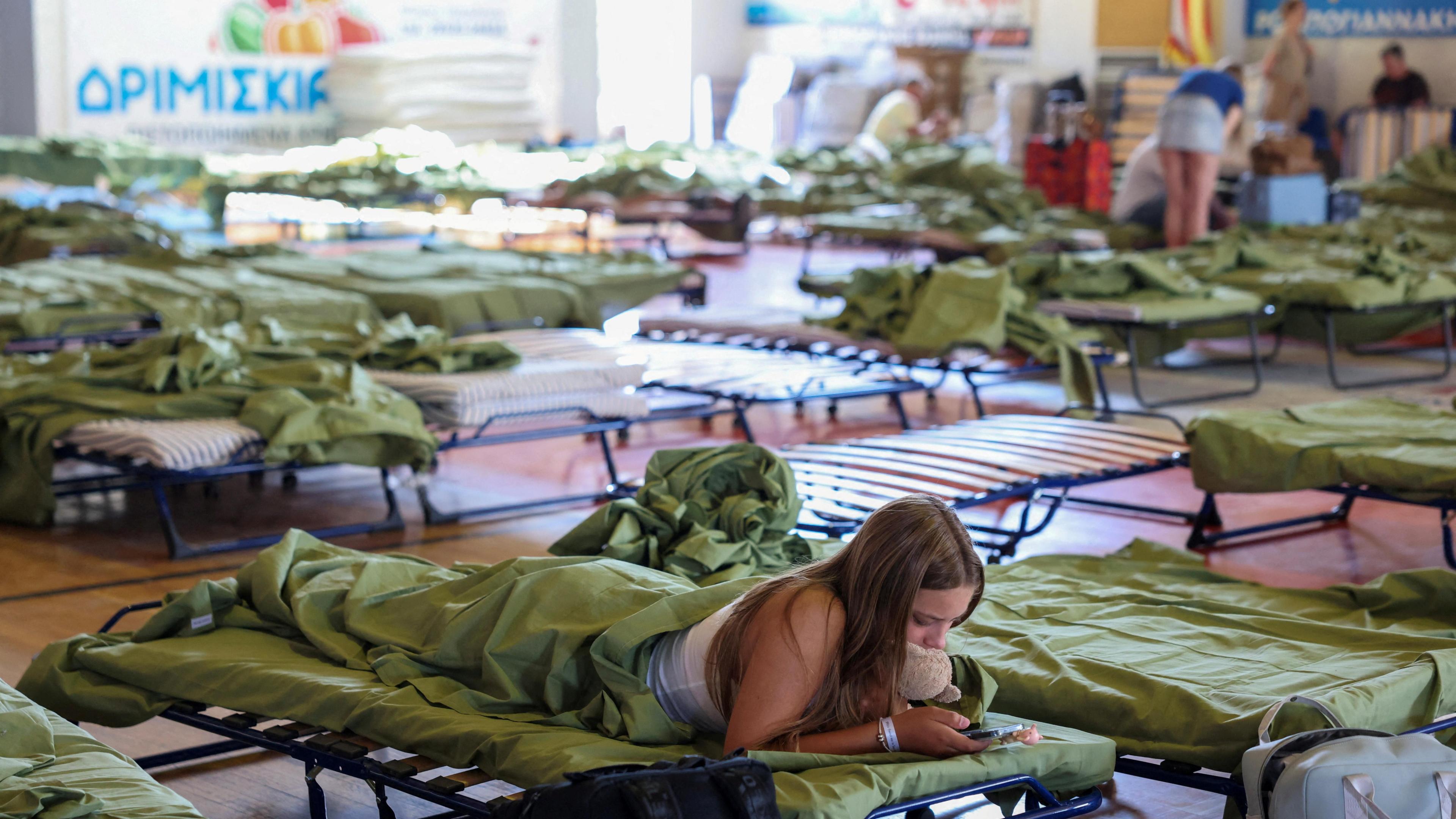
July is the busiest month for tourists on Crete, so the evacuation threat adds significant economic damage. About 224 firefighters were deployed, supported by 53 engines, 11 special teams and two aircraft.
The Greek Fire Service chief, Theodoros Vagias, publicly mourned two firefighters—58‑year‑old Emmanouil Stratidakis and 25‑year‑old Pantelis Diamantakis—who lost their lives. Both were buried the following day. Additionally, approximately 600 people were evacuated in Spain near the Portugal border, following a burn in Zamora. Five injured persons were later reported in Valpaços, Portugal.
While the fires around Madrid have been halted, widespread wildfires across Spain, France and Turkey underscore a continent battling its darkest summer on record. In France, a blaze in the Gironde region burned 42,000 ha and is the largest recorded fire in the country since 1949. France’s south‑east now tops orange heat‑wave alerts. Climate change is doubling Europe’s warming rate relative to the global average, intensifying heatwaves, stressing water supplies and fueling more destructive fires.