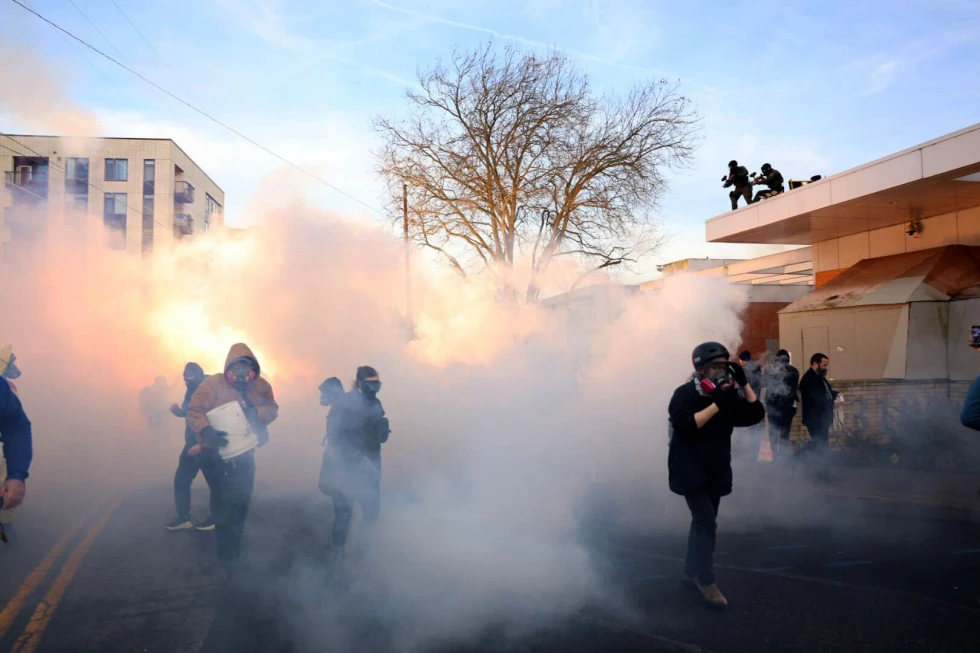
President Donald Trump says Tehran has no plan to execute protesters, but still hasn't ruled out US military action against the country over its violent crackdown on anti-government demonstrators.
The US and UK are both reducing the number of personnel at the Al-Udeid air base in Qatar, while officials have told CBS, the BBC's US partner, that a partial American withdrawal is a precautionary measure.
Iran's airspace was closed to nearly all flights for five hours overnight, with several airlines announcing that they will reroute flights around Iran.
The Foreign Office has also temporarily closed the British embassy in Tehran, which will now operate remotely, a government spokesperson said.
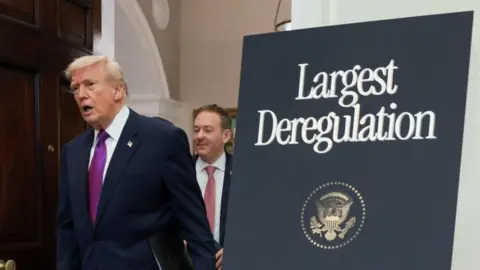
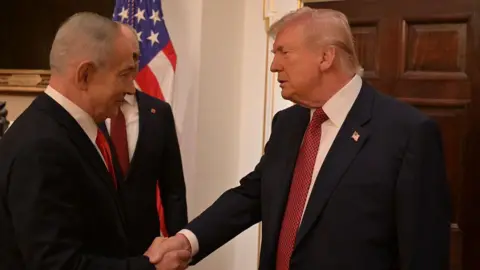
Speaking from the White House, Trump said his administration had been told on good authority that the killing in Iran is stopping, and there's no plan for executions. When questioned by a reporter, he added that he hoped the reports were true.
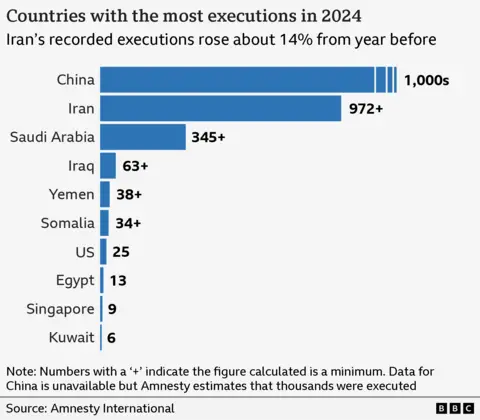
Initial demonstrations over the collapse of the Iranian currency began in late December, but swiftly expanded into a wider crisis of legitimacy for Iran's clerical leadership. Trump had earlier threatened very strong action against Iran if the government executed protesters, particularly in light of the case of Erfan Soltani, a 26-year-old man who had been sentenced to death.
The Iranian authorities have reportedly failed to provide Soltani's family with more information, leading to concerns about his status. In response to potential executions, Iran's Foreign Minister warned that hanging is out of the question.
Concurrently, various governments including Italy and Poland have urged their citizens to leave Iran, while airlines like Lufthansa are avoiding Iranian airspace.
As the crisis evolves, Trump remains cautious about fully supporting opposition figures against Iran’s regime, indicating that any regime could fall, but emphasizing that appropriate timing is required for significant action. Meanwhile, the Iranian government faces increased scrutiny over its treatment of protesters, with reports confirming numerous deaths amid the escalating unrest.
The US and UK are both reducing the number of personnel at the Al-Udeid air base in Qatar, while officials have told CBS, the BBC's US partner, that a partial American withdrawal is a precautionary measure.
Iran's airspace was closed to nearly all flights for five hours overnight, with several airlines announcing that they will reroute flights around Iran.
The Foreign Office has also temporarily closed the British embassy in Tehran, which will now operate remotely, a government spokesperson said.
Speaking from the White House, Trump said his administration had been told on good authority that the killing in Iran is stopping, and there's no plan for executions. When questioned by a reporter, he added that he hoped the reports were true.
Initial demonstrations over the collapse of the Iranian currency began in late December, but swiftly expanded into a wider crisis of legitimacy for Iran's clerical leadership. Trump had earlier threatened very strong action against Iran if the government executed protesters, particularly in light of the case of Erfan Soltani, a 26-year-old man who had been sentenced to death.
The Iranian authorities have reportedly failed to provide Soltani's family with more information, leading to concerns about his status. In response to potential executions, Iran's Foreign Minister warned that hanging is out of the question.
Concurrently, various governments including Italy and Poland have urged their citizens to leave Iran, while airlines like Lufthansa are avoiding Iranian airspace.
As the crisis evolves, Trump remains cautious about fully supporting opposition figures against Iran’s regime, indicating that any regime could fall, but emphasizing that appropriate timing is required for significant action. Meanwhile, the Iranian government faces increased scrutiny over its treatment of protesters, with reports confirming numerous deaths amid the escalating unrest.