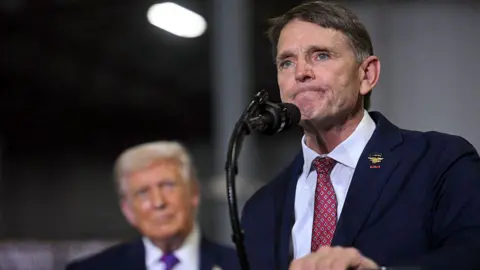
At a rally in a parking lot outside his campaign headquarters in Florence, Kentucky, Congressman Thomas Massie expressed concerns about the repercussions facing Republican politicians who allied with him. I'm sure they'll be punished for coming here today, he warned. His ominous prediction came true when former President Donald Trump voiced his dissatisfaction with Massie's defiance on social media.
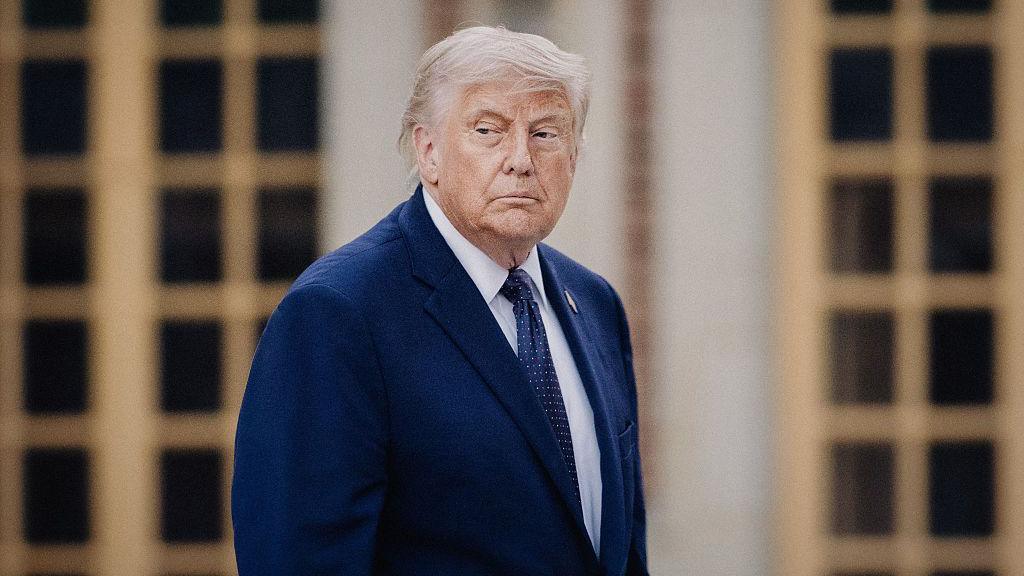
Trump’s ire directed towards prominent Republican figures supporting Massie included harsh criticisms of Congresswoman Lauren Boebert and Senator Rand Paul. The president's threats lacked immediate credibility, given the electoral timing of their respective positions, but his personal animosity towards Massie has been evident through constant public attacks.
As Massie prepares for his primary battle against Ed Gallrein, a well-funded Trump-backed newcomer, he faces scrutiny for his break with key Trump policies. Massie's votes against substantial spending packages and for transparency regarding the Justice Department's handling of sex offender Jeffrey Epstein led him to be labeled a 'loser' by Trump.
Massie has rallied support by reinforcing his principled stand, hoping Kentucky voters see him as a consistent and reliable representative. Many of his supporters emphasize his commitment to smaller government and opposition to Trump's more expansive policies, despite significant external pressures from affluent backers aiming to unseat him.
The race has attracted attention as the most expensive House primary in U.S. history, raising questions about the influence of money in politics. Massie's narrative of principled independence against formidable opposition makes him a unique contender in the examination of GOP dynamics amidst Trump's continuing influence.
Polling indicates a closer race than anticipated, with Massie relying on a diverse coalition of supporters, including fringe political figures, to bolster last-minute campaigning efforts. The primary's outcome could set a pivotal precedent regarding intra-party dissent and reflect shifting allegiances among Republican voters less swayed by Trump's policies than their affiliation with the party's traditional base.